Ethiopia Urges Action to Build a Stronger, Future-Ready African Health Workforce - ENA English
Ethiopia Urges Action to Build a Stronger, Future-Ready African Health Workforce
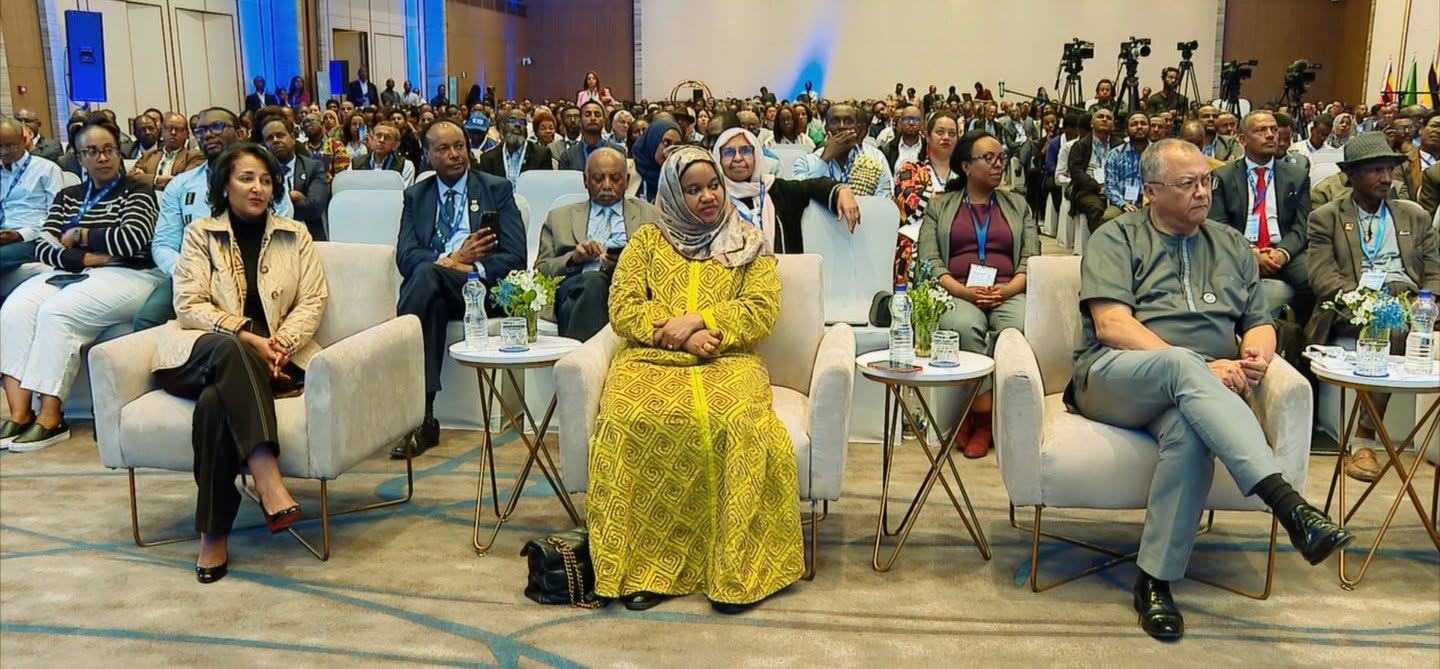
Addis Ababa, July 9, 2026 (ENA) —Ethiopia called on African to transform commitments made at the MedEdAfrica 2026 Conference into concrete action to build a resilient and future-ready health workforce capable of meeting the continent's evolving healthcare needs.
Speaking at the closing of the three-day MedEdAfrica 2026 Conference in Addis Ababa, Ethiopian State Minister of Health Sahrela Abdullahi stressed that Africa must accelerate reforms in medical education.
She particularly emphasized the need to embrace innovation, digital technologies, artificial intelligence, and African-led solutions to build stronger, more resilient healthcare systems across the continent.
Held under the theme, "Preparing the African Health Workforce for an Uncertain Future: Harnessing Partnerships, Technology, Innovation and Leadership," the conference brought together health ministers, medical educators, researchers, policymakers, and students from across the continent to chart a common path toward advancing medical education in Africa.
Addressing delegates, Sahrela urged participants to ensure that the ideas and commitments made during the conference are translated into practical reforms within their institutions, ministries, and professional associations.
"We should take the ideas and commitments discussed during the gathering back to our institutions, ministries, and professional associations and ensure they lead to tangible results," she said.
The state minister noted that the conference fostered a shared understanding of Africa's most pressing health workforce challenges, including critical shortages of healthcare professionals, their uneven distribution across countries and regions, and persistent gaps between medical education and the changing demands of health systems.
She underscored that addressing these challenges requires stronger African ownership, expanded regional collaboration, greater investment in innovation, and among others.
Most importantly, the integration of digital technologies and artificial intelligence into medical training to prepare the next generation of healthcare professionals, according to Sahrela.
Highlighting Ethiopia's experience, Sahrela said the country has significantly expanded specialty medical training while providing educational opportunities for students from neighboring African countries.
She also pledged to reinforce her country’s commitment to strengthening the continent's healthcare capacity through regional cooperation.
President of the Consortium of Medical Schools in Africa (COMS-A), Lionel Green-Thompson, said the conference reinforced collaboration among Africa's medical schools by creating a platform for institutions to exchange experiences and develop innovative approaches to producing highly skilled, adaptable, and competent health professionals.
According to him, discussions centered on leveraging technology, strengthening ethics in medical practice, promoting competency-based education, and expanding partnerships among African medical institutions.
Participants also commended Ethiopia for hosting the continental gathering, describing the country's continued investment in medical education and healthcare development as an important model for other African nations.
They emphasized that the conference's lasting impact will depend on sustained implementation of the recommendations and commitments agreed upon in Addis Ababa.
As part of the closing program, delegates visited the Adwa Victory Memorial Museum and Addis Ababa's river corridor development projects, providing participants with firsthand insight into Ethiopia's historical legacy and ongoing urban transformation initiatives.