Tigray Stakeholders Call for End to Forced Conscription, Reaffirm Commitment to Peace Recovery - ENA English


Tigray Stakeholders Call for End to Forced Conscription, Reaffirm Commitment to Peace Recovery
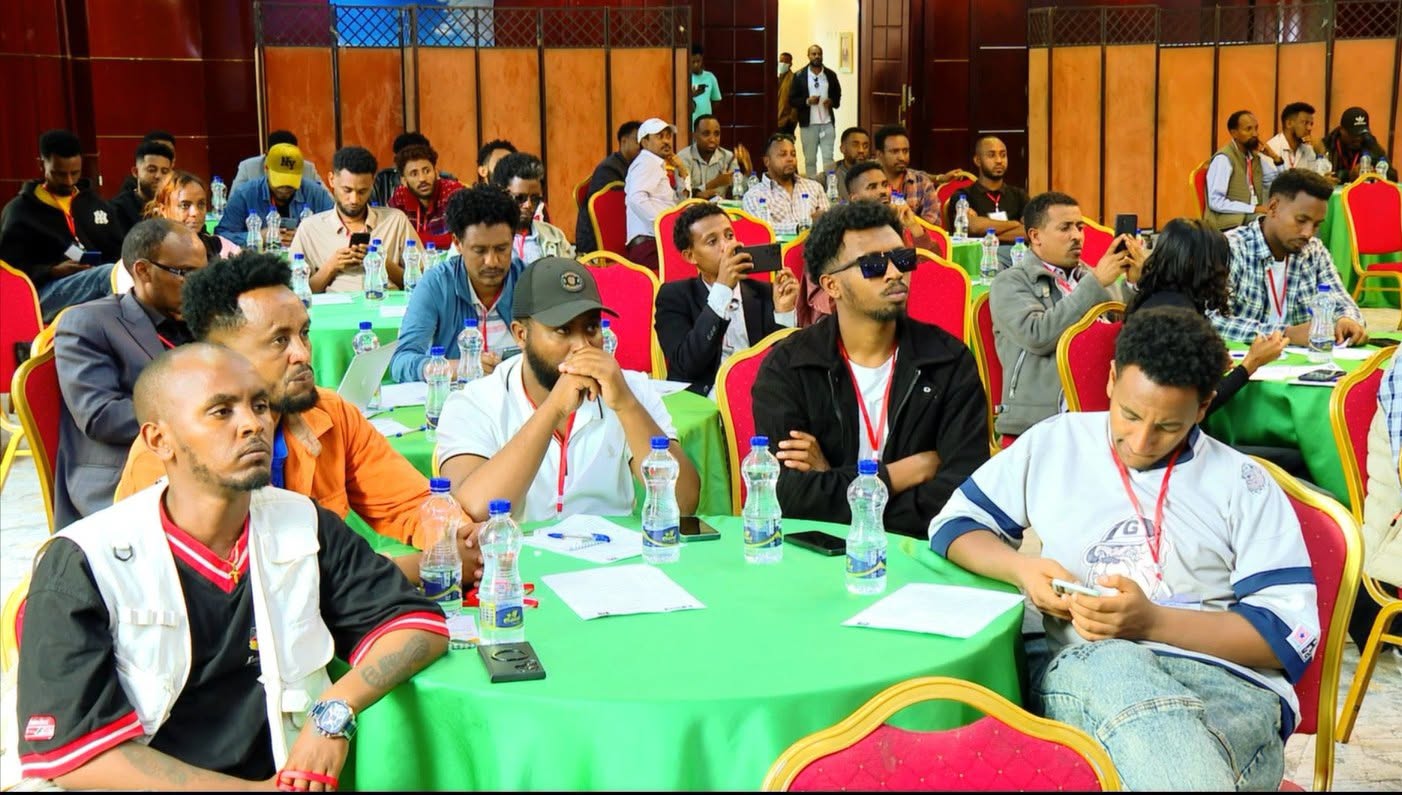
Addis Ababa, July 8, 2026 (ENA)—Participants at a forum on "Peace, Democracy, and Development in Tigray: The Role of Media and Social Activists" have called for the immediate end of the ongoing forced military conscription in the region.
The participants further warned that any return to armed conflict would trigger another devastating humanitarian catastrophe.
The forum, held in Addis Ababa, brought together media professionals, social activists, and other stakeholders from Ethiopia's Tigray Region.
At the conclusion of the meeting, participants adopted a joint communiqué reaffirming their commitment to peace, constitutional order, democratic dialogue, and the protection of civilians.
In the communiqué sent to ENA, participants said the people of Tigray continue to endure the long-lasting consequences of war, including displacement, economic hardship, institutional disruption, and humanitarian challenges.
They stressed that peace in the region remains fragile and cautioned that renewed hostilities would have devastating consequences not only for Tigray but also for Ethiopia and the wider Horn of Africa.
"The immense suffering endured by mothers, fathers, youth, children, displaced families, war-disabled citizens, unemployed graduates, farmers, civil servants, and other vulnerable members of society must never be repeated," the communiqué stated.
The participants emphasized that no political objective can justify renewed violence, forced mobilization, hate speech, intimidation, or the suppression of peaceful voices. They also underscored that the dignity, security and future of the people must remain above political rivalries or military ambitions.
The forum expressed particular concern over reports of the abduction and forced military recruitment of young people in parts of Tigray, describing such practices as unacceptable and calling for their immediate cessation.
Recalled that from the United States’ decision to impose targeted visa restrictions on defunct TPLF members and their families to Human Rights Watch’s strong condemnation of alleged forced conscription in Tigray, the international message is increasingly unified.
According to the communiqué, forced conscription lacks both legal and moral justification and risks exposing another generation to the devastating human cost of conflict.
Participants pledged to use their professional platforms and social media engagement to oppose forced recruitment and amplify the voices of civilians advocating for peace.
The communiqué also called on media institutions, journalists, editors, broadcasters, digital content creators, and social activists to reject hate speech, disinformation, inflammatory propaganda, and narratives that incite violence or militarization.
Instead, participants urged the media to uphold professional and responsible journalism by promoting factual reporting.
They also underscored the importance of promoting constitutional order, constructive public discourse, and public-interest reporting focused on humanitarian recovery, food security, livelihood restoration, access to healthcare and education and among others.
Political leaders in Tigray were likewise urged to place the welfare and future of the people above partisan interests by resolving differences through peaceful dialogue, constitutional processes, and inclusive civic engagement.
The communiqué further appealed to the Federal Government to continue utilizing constitutional, political, humanitarian, and administrative mechanisms to prevent renewed conflict, protect civilians, facilitate the implementation of existing peace commitments, expand humanitarian assistance, restore essential public services, and create conditions for peaceful and lawful governance in the region.
The participants also called for intensified efforts to strengthen food security, support the safe resettlement of internally displaced persons, protect young people from renewed military mobilization, and accelerate sustainable recovery.
In addition, the forum appealed to development partners, humanitarian organizations, religious institutions, community elders, women and youth groups, civil society organizations, and the wider Ethiopian public to support peacebuilding, humanitarian recovery, institutional normalization, and long-term development in Tigray.
Concluding their deliberations, participants reaffirmed that lasting peace requires justice, accountable leadership, democratic dialogue, and respect for human dignity.
They pledged to promote peace-oriented journalism, fact-based reporting, civic education, and responsible communication while rejecting narratives that normalize war, forced conscription, hate speech, and political intimidation.
The communiqué concluded with a collective appeal affirming that the people of Tigray deserve peace, security, justice, development, and hope, while urging all responsible institutions to act decisively to prevent a return to conflict and end the suffering of civilians.


