Ethiopia Reaffirms Commitment to Strengthening Africa’s Phytosanitary Systems - ENA English
Ethiopia Reaffirms Commitment to Strengthening Africa’s Phytosanitary Systems
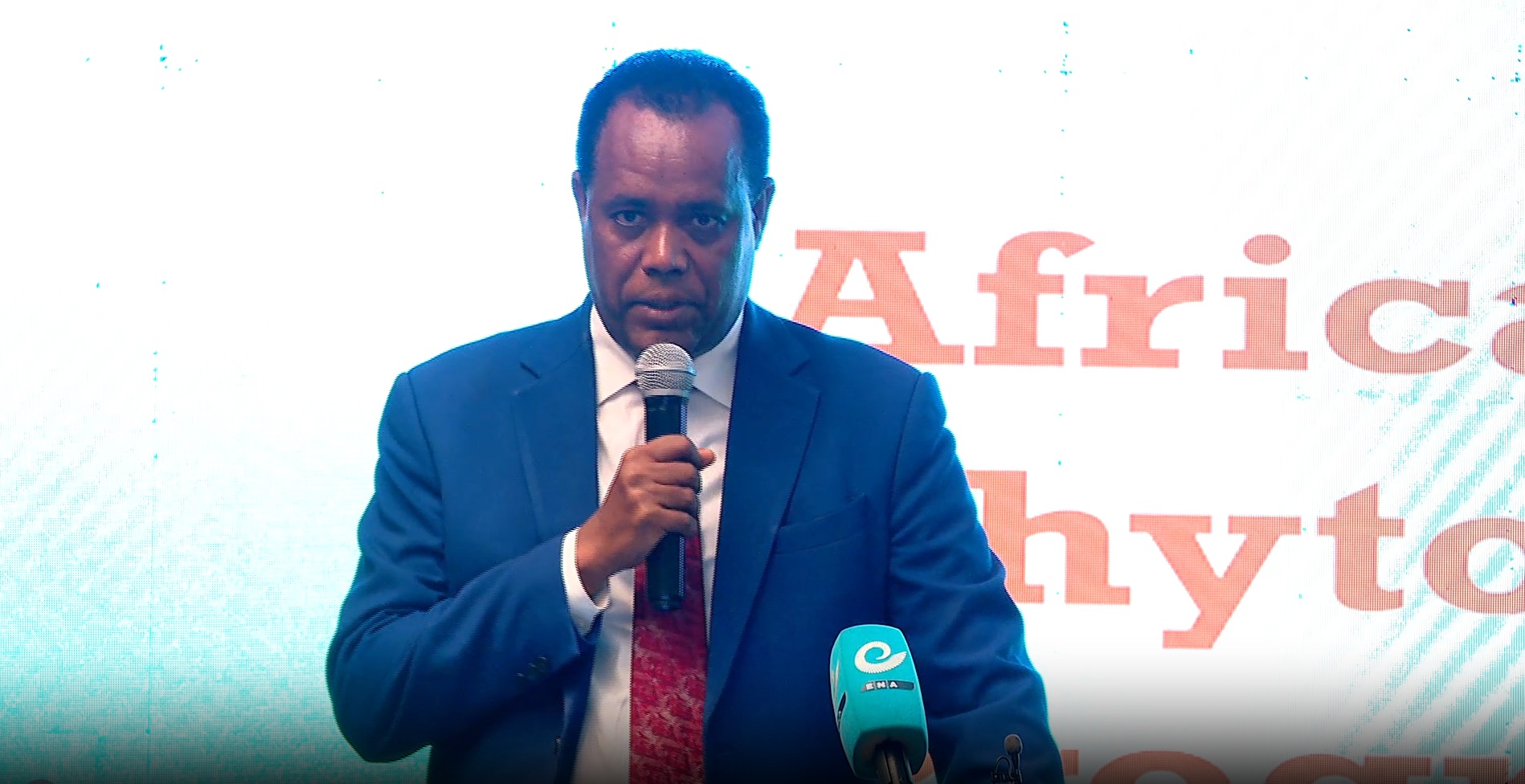
Addis Ababa, July 7, 2026 — Ethiopia has reaffirmed its commitment to bolstering Africa’s phytosanitary systems, underscoring that robust plant health measures are essential to ensuring food security, boosting agricultural productivity, and facilitating safe trade across the continent.
The commitment was highlighted during the opening of the Strategic Partnership Forum for the African Phytosanitary Programme (APP) in Addis Ababa today.
State Minister of Agriculture, Fikru Regassa, emphasized that while African nations are striving to transform their agricultural sectors, particularly under the African Continental Free Trade Area (AfCFTA), these ambitions face mounting threats from transboundary plant pests, invasive species, and climate change.
"Plant health is far more than a technical concern; it is a strategic pillar of sustainable agricultural development," Fikru stated.
He noted that Ethiopia, where agriculture remains the backbone of the economy, is fully integrated into the APP to enhance surveillance, diagnostic capabilities, and science-based decision-making.
Launched in 2023, the APP has already expanded its reach to 20 countries across the continent.
The initiative primarily focuses on strengthening national plant protection organizations by equipping them with digital surveillance tools for real-time monitoring and establishing harmonized pest survey protocols to ensure consistency across regions.
Additionally, the programme prioritizes capacity building for personnel and institutional frameworks to foster long-term sustainability in safeguarding African agriculture.
Enrico Perotti, Secretary of the International Plant Protection Convention (IPPC) noted that Africa is setting an example in advancing phytosanitary systems and stressed the need to build on the continent's successes to create greater global impact.
The secretary underscored that sustaining the momentum will require continued national ownership, predictable financing, strong governance, and enhanced regional coordination.
Saliou Niassy, Coordinator of the African Union Inter-African Phytosanitary Council, urged member states to prioritize the integration of these tools into national systems and to commit domestic resources to ensure the program's long-term sustainability.
Echoing the urgency of the forum, Orlando Sosa, FAO Representative ad interim to Ethiopia, warned of the high stakes involved in plant biosecurity.
"When a pest is detected too late, farmers lose their harvests and livelihoods," Sosa said, adding, “Traders lose opportunities, and exporters lose confidence."
The forum, held under the theme "Empowering African Countries with Science and Digital Tools to Protect Plant Resources and Facilitate Trade," concluded with a call for scalable, science-driven solutions and stronger continental coordination to combat threats that recognize no national borders.