Ethiopia and Korea Exim Bank Step Up 1.7 Billion USD Dev’t Partnership to Fast-Track Strategic Projects - ENA English
Ethiopia and Korea Exim Bank Step Up 1.7 Billion USD Dev’t Partnership to Fast-Track Strategic Projects
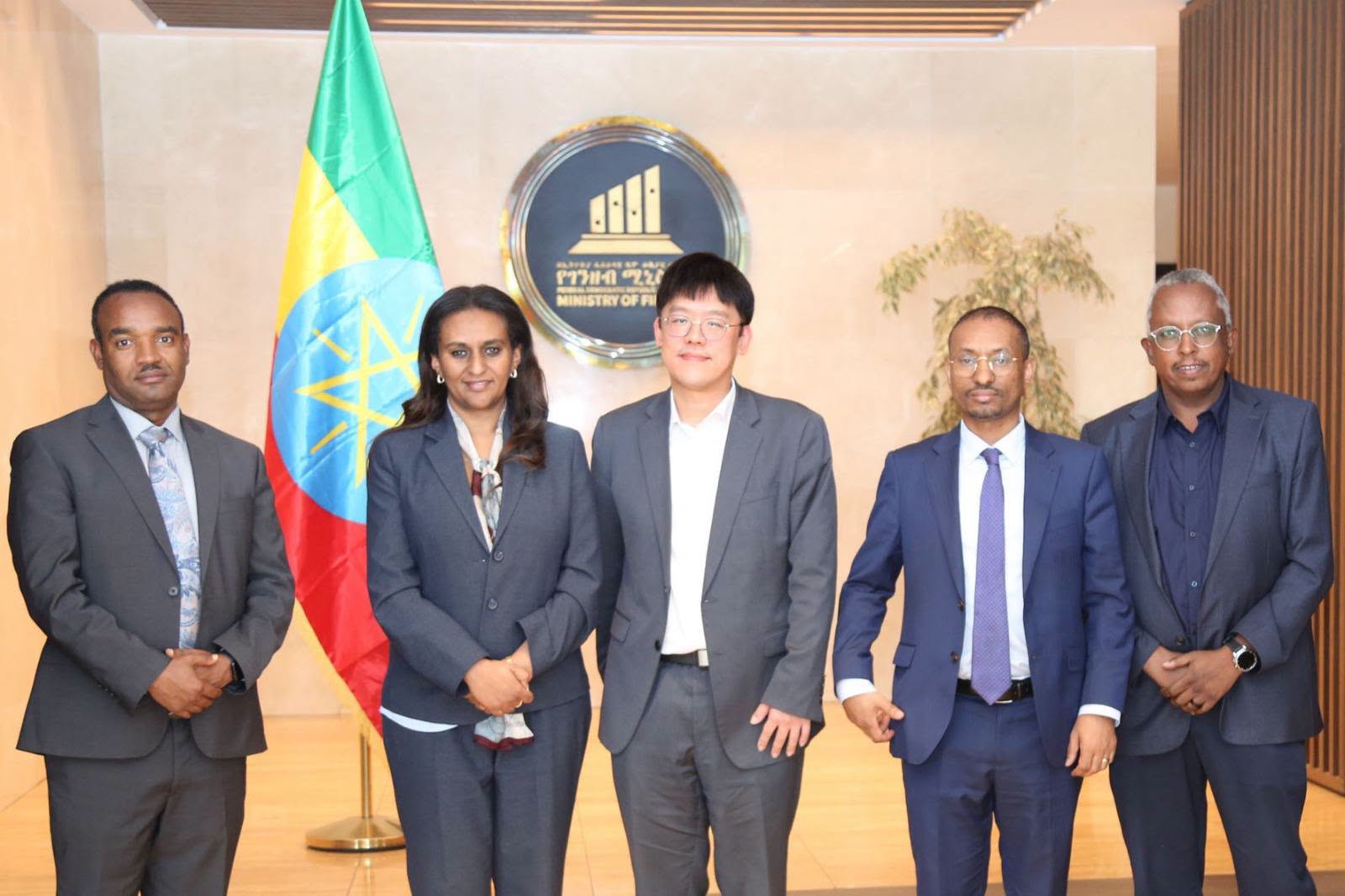
Addis Ababa, July 6, 2026 — Ethiopia and the Korea Export-Import Bank (KEXIM) have reaffirmed their commitment to deepen one of Africa's longest-standing development partnerships.
Senior government officials and development stakeholders convened in Addis Ababa to accelerate the implementation of strategic infrastructure and economic transformation projects financed under Korea's Economic Development Cooperation Fund (EDCF), as ENA learned.
The high-level tripartite meeting, hosted by Ethiopia's Ministry of Finance, brought together officials from KEXIM, Project Execution Agencies, and government institutions to assess the progress of ongoing projects, resolve implementation bottlenecks, and advance preparations for a new pipeline of investments aimed at supporting Ethiopia's long-term development agenda.
The meeting was co-chaired by State Minister of Finance Semereta Sewasew and Sunmyung Hwang, Country Chief Representative of EDCF-KEXIM.
Opening the meeting, State Minister Semereta described Ethiopia and the Republic of Korea as trusted strategic partners whose cooperation has evolved into a model of long-term development collaboration built on mutual respect and shared aspirations for inclusive economic growth.
She noted that Korea Exim Bank has played a pivotal role in supporting Ethiopia's national development priorities through investments spanning energy, transport infrastructure, irrigation, healthcare, higher education, and other critical sectors that strengthen the country's economic resilience.
Highlighting the growing scale of bilateral cooperation, the state minister said projects worth approximately US1.7 billion USD were approved last year, underscoring the expanding confidence between the two countries and their shared commitment to advancing sustainable development.
"The Government of Ethiopia remains fully committed to ensuring that ongoing projects are implemented efficiently and deliver tangible results," she said, emphasizing stronger coordination among institutions, proactive resolution of implementation challenges, and faster preparation of future projects aligned with the country's development priorities.
Representing Korea Exim Bank, Sunmyung Hwang reaffirmed the institution's long-term commitment to Ethiopia, expressing confidence that closer collaboration would accelerate project delivery and maximize the development impact of Korean-supported investments.
The discussions also underscored the strategic role of concessional financing in supporting Ethiopia's economic reform program.
Dereje Girma, Head of the Bilateral Cooperation Department at Ethiopia's Ministry of Finance, said financing provided through the Economic Development Cooperation Fund remains an important pillar in supporting the country's Homegrown Economic Reform Agenda while safeguarding fiscal sustainability.
He noted that EDCF financing—offered on highly concessional terms with long grace periods and extended repayment maturities—continues to provide Ethiopia with sustainable resources for transformative national investments without placing undue pressure on public finances.
Project Execution Agencies presented updates on implementation progress, exchanged lessons learned, and identified practical measures to improve delivery through stronger coordination, greater use of technology, and enhanced value-for-money approaches.
The meeting concluded with both sides reaffirming their shared commitment to accelerate the implementation of ongoing projects, advance the preparation of new strategic investments, and further strengthen the Ethiopia–Korea development partnership in support of sustainable, resilient, and inclusive economic growth.
As Ethiopia continues to pursue ambitious economic reforms and infrastructure modernization, the expanding partnership with Korea Exim Bank is growing international confidence in the country's development trajectory and highlights the increasing role of concessional development finance in supporting Africa's long-term economic transformation.