Africa's Health Challenges Require African Solutions Rooted in Local Realities, Says Ethiopia’s Deputy PM - ENA English


Africa's Health Challenges Require African Solutions Rooted in Local Realities, Says Ethiopia’s Deputy PM
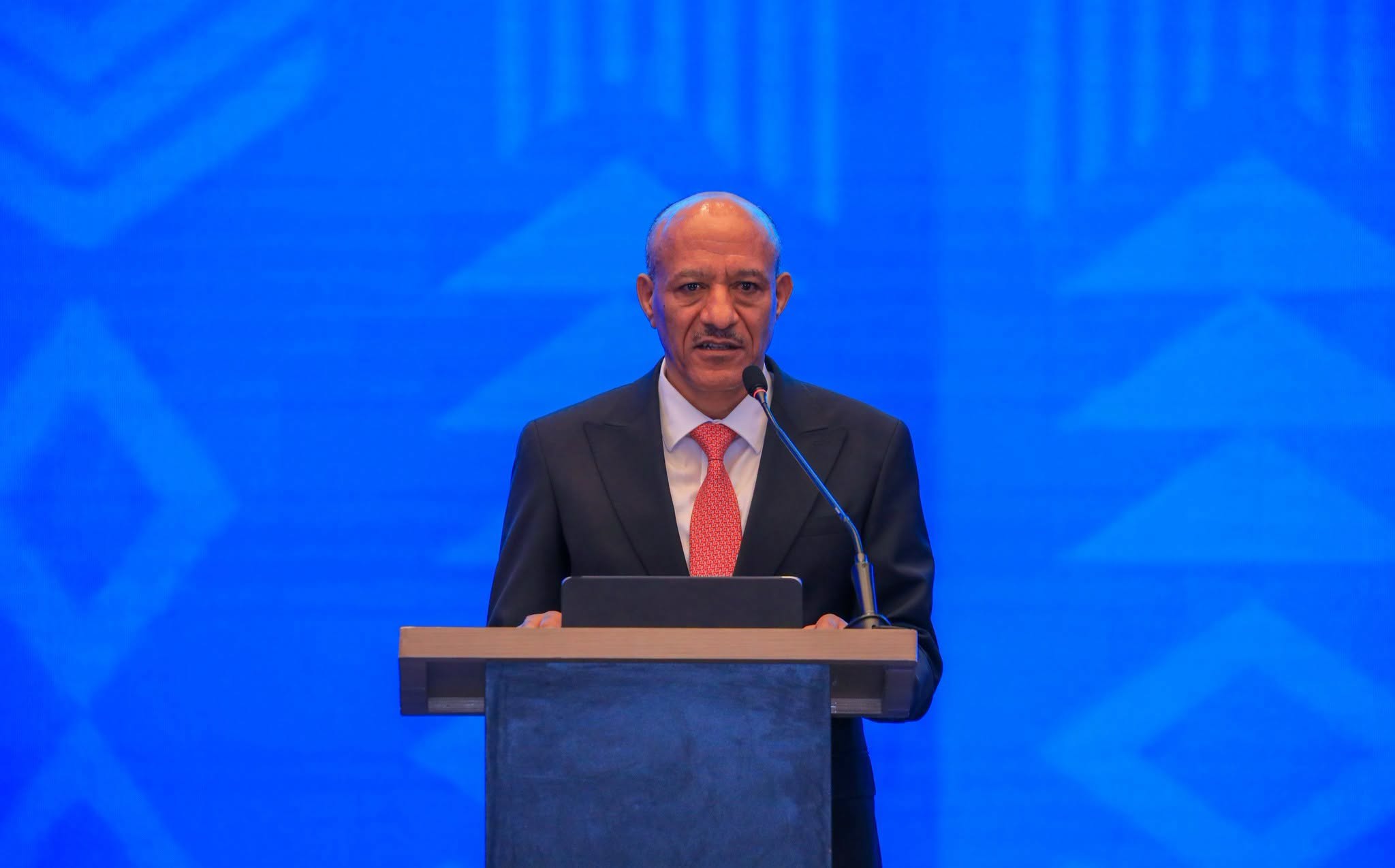
Addis Ababa, July 5, 2026 (ENA)--Ethiopian Deputy Prime Minister Temesgen Tiruneh said Africa's health challenges require African led solutions rooted in the continent's own realities and urged for stronger research, innovation and collaboration to build resilient health systems and improve healthcare outcomes across Africa.
Speaking at the MedEdAfrica 2026 Conference in Addis Ababa under the theme "Advancing Medical Education in Africa," DPM Temesgen said the continent continues to face a disproportionate burden of disease, pandemics, climate change, rapid urbanization, migration and economic pressures that strain health systems.
Africa also faces shortages of health professionals, limited faculty, inadequate training infrastructure and the continued migration of skilled workers, he noted, adding that despite these challenges, he stressed that the continent is distinguished by its resilience, innovation and determination.
"The quality of healthcare tomorrow depends on the quality of education today," he said.
He further emphasized that universities, hospitals and industry must work in partnership rather than in isolation, noting that academic excellence should translate research into affordable medicines, diagnostics, digital health solutions and medical technologies.
Highlighting Ethiopia's efforts to strengthen its health sector, the Deputy Prime Minister said the country has expanded health professions education by opening new medical schools, strengthening existing institutions and creating more opportunities for Ethiopians to pursue careers in health sciences.
He added that decentralized medical education programs are helping prepare midlevel health professionals to serve remote and underserved communities.
Temesgen also said Ethiopia is positioning itself as a regional hub for health workforce development by training health professionals from countries including Rwanda, South Sudan and Somaliland.
Looking to the future, he noted that Ethiopia is preparing to inaugurate its first Artificial Intelligence University, which will focus on fields such as health informatics, digital health, precision medicine, robotics and AI enabled diagnostics.
He stressed that research must move beyond academic journals to shape public policy and improve people's lives.
"Africa's health challenges require African solutions, grounded in African realities. We need bold research that informs governments, inspires the private sector, drives industry, and delivers practical solutions for our communities," he said.
Health Minister Dr. Mekdes Daba, on her part, said Africa's ambitious health goals cannot be achieved without a competent, well trained and future ready health workforce supported by strong health systems.
She said Ethiopia is committed to building a health system that is equitable, resilient and people centered while responding to current needs and preparing for future challenges.
According to the minister, the country's health sector transformation agenda focuses on strengthening primary healthcare, accelerating digital transformation, advancing local pharmaceutical manufacturing and developing a skilled health workforce.
The minister further noted that Ethiopia continues to expand access to quality, affordable healthcare through its primary healthcare system and the Health Extension Program, bringing essential services closer to communities.
Recent demographic health survey results indicate significant progress, with maternal mortality declining to 141 deaths per 100,000 live births and neonatal mortality falling to 25 deaths per 1,000 live births, while emphasizing that further progress remains necessary, she noted.
The minister also highlighted Ethiopia's digital health initiatives, saying the country is building a health system where technology supports service delivery, data informs decision making and innovation improves healthcare.
She added that more than 63 million Ethiopians are currently covered by community based health insurance, alongside expanding social health insurance and increased domestic resource mobilization to strengthen sustainable health financing.
Dr. Mekdes emphasized that universities must produce health professionals equipped not only with strong clinical skills but also with leadership, research capacity, innovation, digital literacy and adaptability.
President of the Consortium of Medical Schools in Africa, Professor Lionel Green-Thompson, said the MedEdAfrica conference seeks to prepare Africa's health workforce for an uncertain future through collaboration and shared learning.
He underscored the importance of social accountability in higher education, urging universities and partners to respond to the needs of vulnerable populations, including those displaced by conflict or economic hardship.
Green-Thompson called on participants to ensure that the discussions at MedEdAfrica 2026 lead to concrete action, stronger partnerships and lasting improvements in Africa's health systems.


