Record Ethiopian Budget Focuses on Low-Income Households While Fueling Growth and Reform Agenda - ENA English


Record Ethiopian Budget Focuses on Low-Income Households While Fueling Growth and Reform Agenda
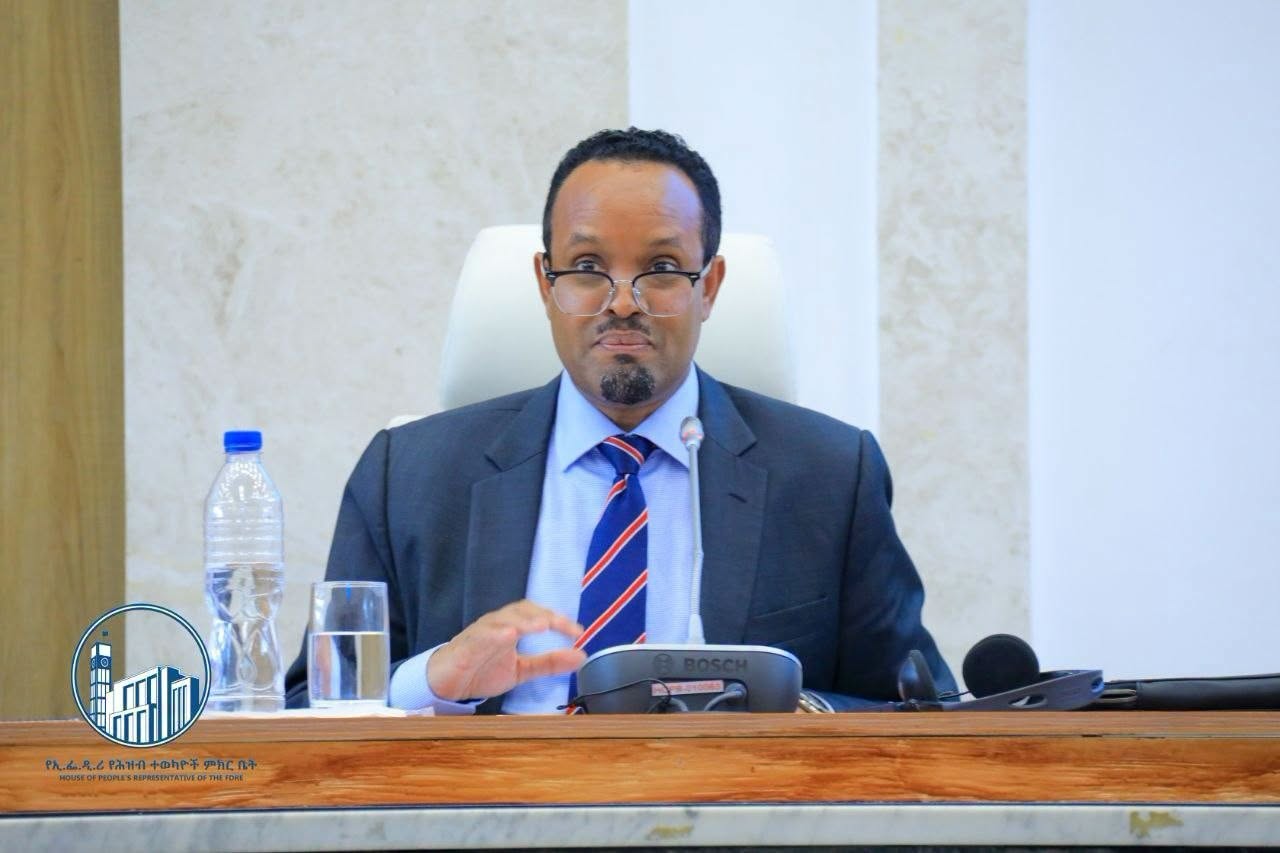
Addis Ababa, June 30, 2026 (ENA) —Ethiopia’s proposed federal budget for the 2019 Ethiopian fiscal year (2026/27) places a strong emphasis on protecting low-income households, sustaining the country’s economic reform agenda, and accelerating inclusive growth, Finance Minister Ahmed Shide told MPs today.
Presenting the record 2.339 trillion Birr draft federal budget to Members of the parliament (MPs) the House of People’s Representatives, Ahmed said the spending plan is designed to consolidate the gains of Ethiopia’s Homegrown Economic Reform Program while safeguarding the purchasing power of citizens amid the rising cost of living.
“The budget has been prepared with special consideration for low-income segments of society and is expected to have a positive impact on the livelihoods of Ethiopian families,” the minister said during the parliamentary session.
The minister elaborated that the proposed budget incorporates targeted subsidies for key social expenditures to cushion vulnerable households, strengthen social protection.
Ahmed also indicated that the budget is also designated to mitigate inflationary pressures, while also addressing longstanding macroeconomic imbalances through prudent fiscal management.
He said the budget aligns with the country’s Homegrown Economic Reform Agenda and the Ten-Year Development Plan, both of which have helped Ethiopia maintain economic resilience despite domestic and global challenges.
The minister noted that Ethiopia expects its economy to expand by 10.1 percent during the upcoming fiscal year, building on an average annual growth rate of 6.8 percent recorded between the 2018/19 and 2023/24 fiscal years and a 9.2 percent expansion in 2024/25.
The econom
y is also projected to grow by 10.2 percent by the end of the current Ethiopian fiscal year, reflecting the continued momentum generated by the government’s comprehensive economic reforms.
Th finance minister also stressed that Ethiopia’s fiscal policy will continue to balance economic growth with social welfare, ensuring that investments support both long-term development and the immediate needs of citizens.
The proposed budget allocates more than 1.2 trillion Birr for recurrent expenditures, 568.2 billion Birr for capital investment, 520.6 billion Birr in transfers to regional states, and 14 billion Birr to support regional Sustainable Development Goal (SDG) initiatives.
More than half of the total budget, 52.9 percent—is earmarked for recurrent expenditures, including debt servicing, fertilizer and petroleum subsidies, and the delivery of essential public services.
Priority sectors receiving significant allocations include education, healthcare, social services, energy, infrastructure, agriculture, and industrial development, reflecting the government’s strategy to foster broad-based and sustainable economic transformation.
Minister Ahmed also underscored the government’s commitment to strengthening domestic revenue mobilization by broadening the tax base, enabling public finances to grow alongside the expanding economy while reducing long-term fiscal vulnerabilities.
On international cooperation, the minister said Ethiopia will continue to deepen partnerships with development partners while maintaining its policy independence.
“Our partnerships with international allies will continue to strengthen in the coming years while preserving our country’s policy independence,” he said, adding that Ethiopia will pursue only those partnerships that contribute to economic stability and improve the well-being of its people.
Economists and policy analysts say the record draft budget reflects the government's effort to balance sustained public investment with fiscal discipline, aiming to strengthen macroeconomic stability while accelerating Ethiopia's long-term economic transformation.


