How Ethiopia Is Rewriting Its Economic Future Through Reform and Sustainable Production - ENA English
How Ethiopia Is Rewriting Its Economic Future Through Reform and Sustainable Production
Addis Ababa, June 26, 2026 (ENA)__ For decades, Ethiopia's economy has been defined as much by its immense potential as by the structural constraints that limited its realization. Rapid population growth, recurrent external shocks, inflationary pressures, infrastructure bottlenecks, and foreign exchange shortages repeatedly tested the country's economic resilience. Today, Ethiopia is pursuing a fundamentally different path. It is being built on comprehensive structural reform, institutional modernization, productive investment, and sustainable economic transformation.
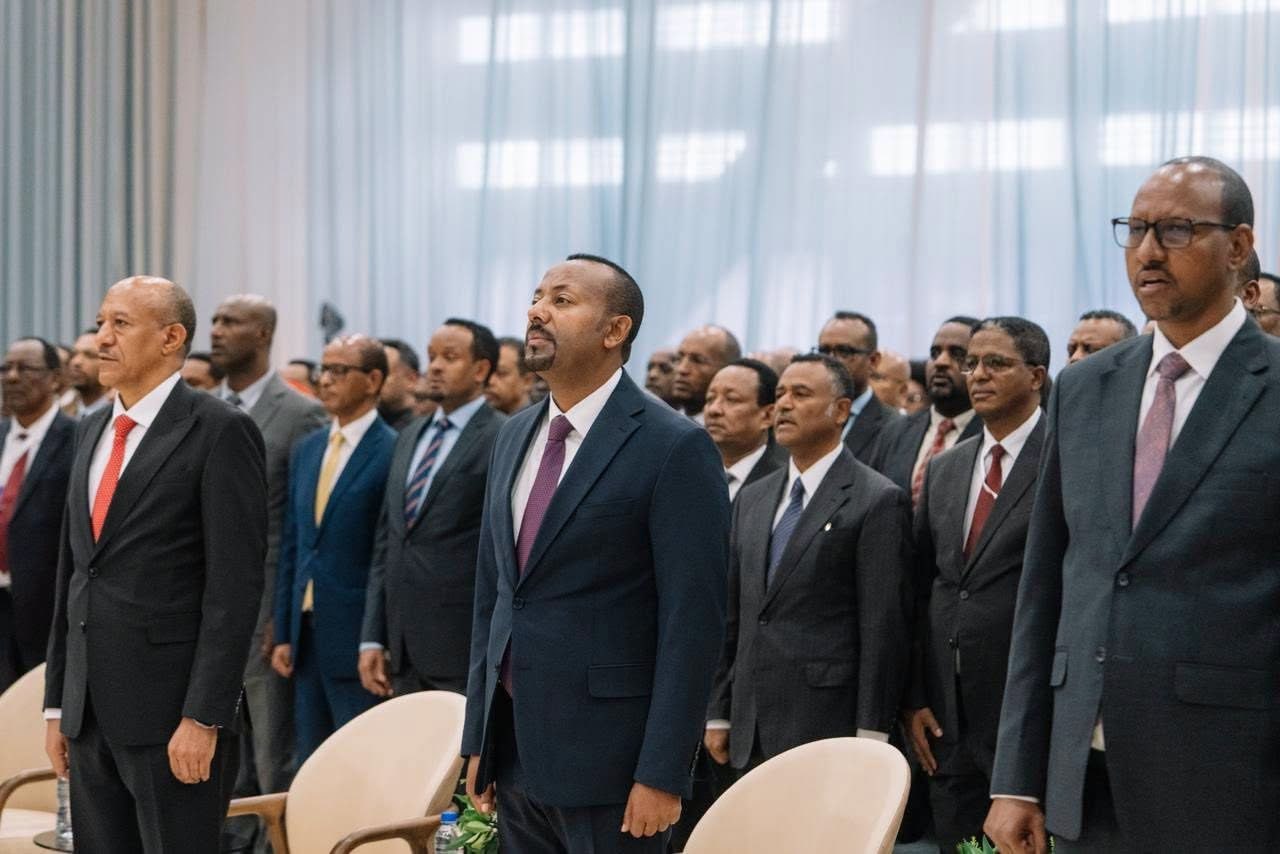
The recently concluded "Ethiopia Delivers" National Summit, held under the theme "From Reform to Lasting Change," offered perhaps the clearest picture yet of how the government's Homegrown Economic Reform Agenda is evolving from policy design into measurable economic outcomes. Rather than presenting isolated achievements, the summit demonstrated how reforms across finance, agriculture, mining, infrastructure, digital technology, and urban development are increasingly functioning as interconnected pillars of a long-term national transformation.
Opening the summit, Prime Minister Abiy Ahmed delivered a definitive address framing Ethiopia's comprehensive overhaul not as a series of short-term adjustments, but as a profound, continuous effort toward cross-generational nation-building. Linking current structural transitions to the nation's historical resilience, the Prime Minister introduced the core philosophy of Medemer, illustrating how economic reform, digital transformation, and social protection reinforce one another rather than competing.
He highlighted monumental economic milestones, noting that inflation has been successfully curbed from over 30 percent down to single digits, while the economy projects a commanding 10.2 percent growth rate this fiscal year—positioning Ethiopia as the fastest-growing economy on the continent. Grounding these macroeconomic achievements in human-centered development, he pointed to the national digital ID system, FAYDA, as a tool expanding financial inclusion and building trust for grassroots entrepreneurs.
He urged all citizens to internalize a deep sense of collective responsibility to safeguard this progress, calling upon the current generation to fortify the nation's foundations and actualize Ethiopia's mansarat—the country's definitive leap into the future.
Detailing the sweeping monetary and fiscal transformations that anchor this growth, National Bank of Ethiopia Governor Eyob Tekalign outlined the milestones that have successfully restored national macroeconomic stability. He detailed Ethiopia's economic reform journey over the last eight years, focusing on the foundational Homegrown Economic Reform agenda designed to restore macroeconomic stability and fuel structural transformation. A pivotal element of this overhaul is the decisive shift from quantity controls to price anchors, prioritizing long-term price stability as a core central bank mission. To enforce strict fiscal discipline, the government has entirely avoided external commercial loans for nearly a decade, successfully reversed the downward trend in the tax-to-GDP ratio, and drastically minimized the primary budget deficit. This fiscal restraint is coupled with historic monetary reforms, including the termination of direct central bank financing of the state budget and the successful transition toward a market-based exchange rate framework.
Parallel to macroeconomic stabilization, the modernization of the financial ecosystem stands out as a major milestone of the reform era. The central bank has been structurally re-engineered to operate with heightened independence and transparency, while a major institutional void was filled with the historic establishment of the Ethiopian Securities Exchange. This revitalization has catalyzed the broader banking sector, which has registered significant growth and a strategic pivot toward robust private sector lending. This financial modernization has directly accelerated the digital economy, evidenced by an unprecedented surge in mobile money and digital transactions, which recorded an astounding 24.2 trillion ETB in the first nine months of the current fiscal year alone.
These systemic interventions have successfully triggered a profound sectoral transformation across the real economy. In agriculture, a deliberate shift from subsistence farming to large-scale commercialization has yielded record production volumes and a subsequent decline in relief dependency. Remarkably, for the first time in the nation's history, the industrial sector's contribution to the gross domestic product has surpassed both agriculture and services, signaling a structural rebalancing of the economic base. Ultimately, Eyob emphasized that these achievements represent a purposeful, interconnected overhaul that has instilled deep resilience within the Ethiopian economy, setting the nation on an irreversible trajectory toward a highly diversified, sustainable, and prosperous future.
In the sovereign investment sphere, Brook Taye, the Chief Executive Officer of Ethiopian Investment Holdings, outlined a fundamental shift in the nation's approach to infrastructure development. Moving away from past models that suffered from poor sequencing, unsustainable debt, and a lack of commercial logic, the current reform government is implementing a disciplined framework focused on productivity and institutional integrity. This new direction is deeply informed by historical lessons, stretching from the narrow inclusion of the imperial era to the unincentivized, conflict-disrupted expansions of the Derg regime. It specifically addresses the challenges of the EPRDF administration, where rapid, state-led expansion created a high-risk debt burden and jobless growth, leaving massive sugar factories and rail initiatives incomplete or underutilized.
To rectify these historical imbalances, Brook identified eight governing principles that now strictly guide infrastructure delivery in Ethiopia. The framework prioritizes continuity by protecting and scaling proven successes like Ethiopian Airlines based on evidence rather than ideology, while emphasizing multi-sector architecture and strict design discipline to define project goals before construction begins. Delivery is further enhanced through innovative Public-People Partnerships—as demonstrated by the sweeping campaign to plant 48 billion seedlings—while strategic sequencing ensures revenue-generating projects are prioritized first to minimize debt. Furthermore, the strategy mandates financing discipline by matching budgetary or commercial capital to the specific nature of each asset, utilizes strategic anchor investments to achieve a multiplier effect, and positions Ethiopian Investment Holdings as the ultimate institutional vehicle to build generational wealth.
Looking ahead, the presentation underscored Ethiopia's ambition to reach economic escape velocity through five strategic pillars: clean energy, construction, digital expansion, regional connectivity across air, rail, and sea, and green technology. By transitioning to this highly disciplined matrix of institutional integrity and precise asset management, the country aims to transform its infrastructure into a genuine catalyst that will propel the nation into a significantly higher threshold of economic growth and long-term productivity.
Representing the extractives sector, in a comprehensive historical review and future outlook, Hanna Berhanu, State Minister at the Ministry of Mines, outlined a profound structural evolution within Ethiopia’s mining and petroleum sector. Tracing the industry's trajectory, the presentation contrasted the pre-1974 era of narrow foreign concessions and the Derg's centralized, conflict-hindered state ownership with the subsequent EPRDF administration, which liberalized the sector to attract international capital but left lingering challenges of informality. Under the current reform era, the government has enacted a deliberate paradigm shift to transform geological potential into tangible economic results, elevating the mining sector into a strategic cornerstone of the national economy focused on formalized markets, import substitution, and high-value industrial processing.
This strategic redirection has already yielded monumental advancements, most notably in import substitution and artisanal sector formalization. The nation has successfully transitioned to domestic production for coal and cement inputs, while aggressively scaling up the local manufacturing of critical construction materials such as ceramics and glass. Furthermore, a comprehensive formalization and support framework for artisanal miners has triggered a spectacular transformation in gold exports, which surged from their modest 2018 baselines to a commanding value of over 5.5 billion USD recently.
Looking to the future, the ministry is rapidly steering the energy sector from mere exploration to large-scale commercialization. Key milestones include the inauguration of a liquefied natural gas plant and advanced planning for a domestic oil refinery to systematically slash the nation's heavy reliance on fuel imports. Concurrently, the sector is being integrated into the broader economy through an upcoming agreement for a natural gas-based fertilizer plant designed to anchor the agricultural sector and replace expensive imports. Driven by these responsible, transparent, and value-added industrial practices, Ethiopia is firmly on track to establish itself as a regional economic powerhouse, targeting a historic 10 billion USD in mining exports by 2030.
The structural transition of the agricultural sector was detailed by Mandefro Nigussie, Chief Executive Officer of the Agricultural Transformation Institute. In an insightful presentation at the Ethiopia Delivers Summit, Mandefro Nigussie, Chief Executive Officer of the Agricultural Transformation Institute, detailed a sweeping structural overhaul aimed at transitioning Ethiopia’s agricultural sector from subsistence farming to a highly commercialized, business-oriented enterprise. Given that agriculture anchors one-third of the nation's gross domestic product and employs two-thirds of the population, the presentation underscored the critical need to tap into the country's vast agro-ecological diversity, 38.5 million hectares of arable land, and extensive water resources. Addressing historical policy gaps across previous administrations, the current reform framework introduces a dynamic "three-actor" model that unites the public, private, and people sectors to aggressively prioritize absolute food sovereignty over mere food security.
A definitive cornerstone of this transformation is the highly successful cluster farming approach, which effectively counters the challenge of land fragmentation by organizing smallholder farmers to consolidate their land and adopt comprehensive technology packages. This strategic coordination has significantly amplified the bargaining power of smallholders, yielding a spectacular 29 percent increase in productivity for participating farmers. This structural agility is further mirrored by landmark achievements in import substitution, where Ethiopia has successfully forged self-sufficiency in wheat, malt barley, and rice, while scaling up commercial soya production. Parallel to crop success, the sector has been re-energized by the ambitious livestock initiative, Ye Lemat Trufat, which has driven robust production gains in red meat, milk, poultry, and aquaculture, highlighted by the historic establishment of a rare poultry grandparent stock, and reinforced by a nationwide afforestation campaign for environmental sustainability.
To ensure long-term resilience, this modernization is heavily underpinned by a robust digital transformation strategy that delivers high-impact extension services directly to the fields. The integration of cutting-edge digital tools, most notably the 8028 voice-based AI advisory platform alongside a network of rural digital kiosks, has democratized critical agronomic advice, market data, and tailored training for rural communities. Looking to the future, the strategy is firmly focused on the professionalization of smallholder farmers into sophisticated agribusiness entities. By seamlessly strengthening the interface between technological agricultural transformation and holistic rural development, Ethiopia is paving a definitive path toward sustainable economic prosperity and food sovereignty.
Addressing the technical rails of this modernization, Myriam Said, Digital Advisor at the Office of the Prime Minister, In an impactful presentation at the Ethiopia Delivers Summit, Myriam Said, Digital Advisor at the Office of the Prime Minister, outlined the nation’s comprehensive strategy for building an AI-ready economy. She emphasized that digital systems must not be viewed as an isolated sector, but rather as the foundational architecture required to drive a profound macroeconomic transformation. This structural shift is anchored on an investment-led, market-oriented approach, most notably demonstrated by the strategic liberalization of the telecommunications sector. This milestone policy spurred robust competition, expanded the country's broadband user base to over 61 million, and successfully unlocked significant inflows of private investment.
Central to this technological blueprint is the development of a sophisticated Digital Public Infrastructure, which rests upon three critical layers: the FAYDA digital identity system, which has already enrolled over 45 million citizens; an expansive digital payments ecosystem boasting more than 257 million accounts; and a seamless Data Exchange Layer designed to elevate government service delivery and institutional interoperability. Recognizing that a digital economy cannot function without power, the strategy treats energy as an absolute bedrock. Ethiopia has remarkably achieved a grid powered by 98 percent renewable electricity, strategically leveraging monumental infrastructure projects like the Grand Ethiopian Renaissance Dam to sustainably power data centers and emerging industrial ecosystems.
Crucially, the address highlighted that technological access must be paired with human capability to achieve true economic resilience. To cultivate the necessary talent, the government is prioritizing heavy investments in human capital through aggressive foundational education expansion, the ambitious 5 Million Coders initiative, and the historic establishment of the Madame University of Artificial Intelligence. Ultimately, Myriam underscored that future global competitiveness belongs to nations that purposefully integrate technology into their developmental fabric rather than merely adopting external tools. By masterfully sequencing architecture, Ethiopia is ensuring that its economic reforms, physical infrastructure, public institutions, and digital capabilities develop in perfect harmony to secure long-term prosperity.
In her presentation at the summit, Senior Advisor Tiguist Fisseha from the Ministry of Finance outlined a profound paradigm shift in Ethiopia's urban development strategy. The core objective of this new approach is to transition from merely managing physical urban expansion to fostering highly productive cities that serve as dynamic engines of economic growth, job creation, and investment. Reflecting a new urban era, the strategy embraces a market-oriented economy with a multi-city growth agenda, deliberately moving away from single-city dominance. This forward-looking framework directly addresses historical shortcomings, noting that while the Derg era suppressed urban growth, the subsequent EPRDF administration expanded cities physically but often lagged in cultivating sustainable economic ecosystems.
To realize this vision, the strategy anchors itself on four mutually reinforcing pillars designed to redefine the urban landscape: livability, competitiveness, inclusion, and smart cities. Livability focuses on transforming urban aesthetics and functionality through high-impact initiatives such as the rehabilitation of river corridors and enhanced mobility, while competitiveness aims to foster private sector growth by reorienting the financial system and developing Special Economic Zones. Concurrently, the inclusion pillar prioritizes massive investments in human capital via comprehensive skills training and critical social safety nets like subsidized housing and school meal programs. Efficiency across these sectors is further accelerated by the smart cities pillar, which leverages robust digitalization to slash transaction costs and modernize municipal governance.
Looking ahead, Tiguist highlighted visionary prototypes like Chaka City and Gelan Gura City as blueprints for integrated, future-oriented planning. The next phase of this comprehensive urban evolution will prioritize the structural strengthening of secondary cities and the establishment of sophisticated metropolitan governance frameworks. By scaling human capital development, aggressively expanding the housing supply with a target of 1.5 million units, and building financially self-reliant municipalities, Ethiopia is positioning its urban centers to become resilient, highly competitive, and inclusive hubs capable of sustaining the nation’s long-term economic trajectory.