Egypt’s Quest for External Support on Abbay Waters Undermines African Unity and Sovereignty - ENA English
Egypt’s Quest for External Support on Abbay Waters Undermines African Unity and Sovereignty
Op-ed by By Ayele Yimer
June 18, 2026 (ENA)
Egypt’s persistent efforts to secure external backing—most recently during the G7 summit in Evian, France—raise serious concerns about regional stability and African sovereignty.
In a meeting with U.S. President Donald Trump, Egyptian President Abdel Fattah el-Sissi pleaded for American intervention in the ongoing dispute with Ethiopia over the Grand Ethiopian Renaissance Dam (GERD). While Egypt seeks to assert its hegemonic dominance over Nile waters, this approach reveals a deeper issue: Egypt’s failure to recognize its place within the African community and its continued reliance on colonial-era tactics that threaten regional unity.
Egypt’s stance in the Nile water dispute is often characterized by a sense of entitlement and exceptionalism.
Historically, Egyptian leaders have rarely considered themselves as part of the broader African fabric. Instead, they see themselves as a regional power capable of handling Africa in much the same way European colonizers once did—through divide-and-rule tactics that sow discord among neighboring nations. This approach is not only outdated but dangerous, as it undermines efforts toward regional cooperation and sustainable development. Egypt’s efforts to secure external support, whether from the U.S., France, or other global powers, are rooted in this colonial mindset—seeking outside intervention to bolster its unilateral claims rather than engaging in genuine African-led dialogue.
This attitude is particularly troubling given Egypt’s own history of complicity in regional conflicts.
The words of Ugandan President Yoweri Museveni are particularly relevant. Museveni has repeatedly emphasized that the Nile’s waters are within Africa’s borders and that Egypt’s ambitions to control the water resources are misguided. He famously advised Egypt to stop wandering beyond the continent in search of solutions and instead come to Africa’s table—through established frameworks like the Nile Basin Initiative (NBI) and its framework agreement, which promote equitable and sustainable water sharing among Nile basin countries. Museveni’s call highlights the importance of regional ownership and cooperation, rather than reliance on external powers eager to exploit divisions for their strategic interests.
Indeed, no amount of foreign aid or diplomatic pressure will quench Egypt’s water needs if it continues to pursue provocative rhetoric aimed at perpetuating division among Nile riparian nations. Such divisive tactics threaten the stability of the region and undermine efforts to develop a sustainable and cooperative approach to shared water resources. The solution lies not in external intervention but in African-led dialogue, trust-building, and adherence to regional frameworks like the NBI, which has already provided a platform for constructive negotiations among Ethiopia, Uganda, Kenya, and other Nile countries.
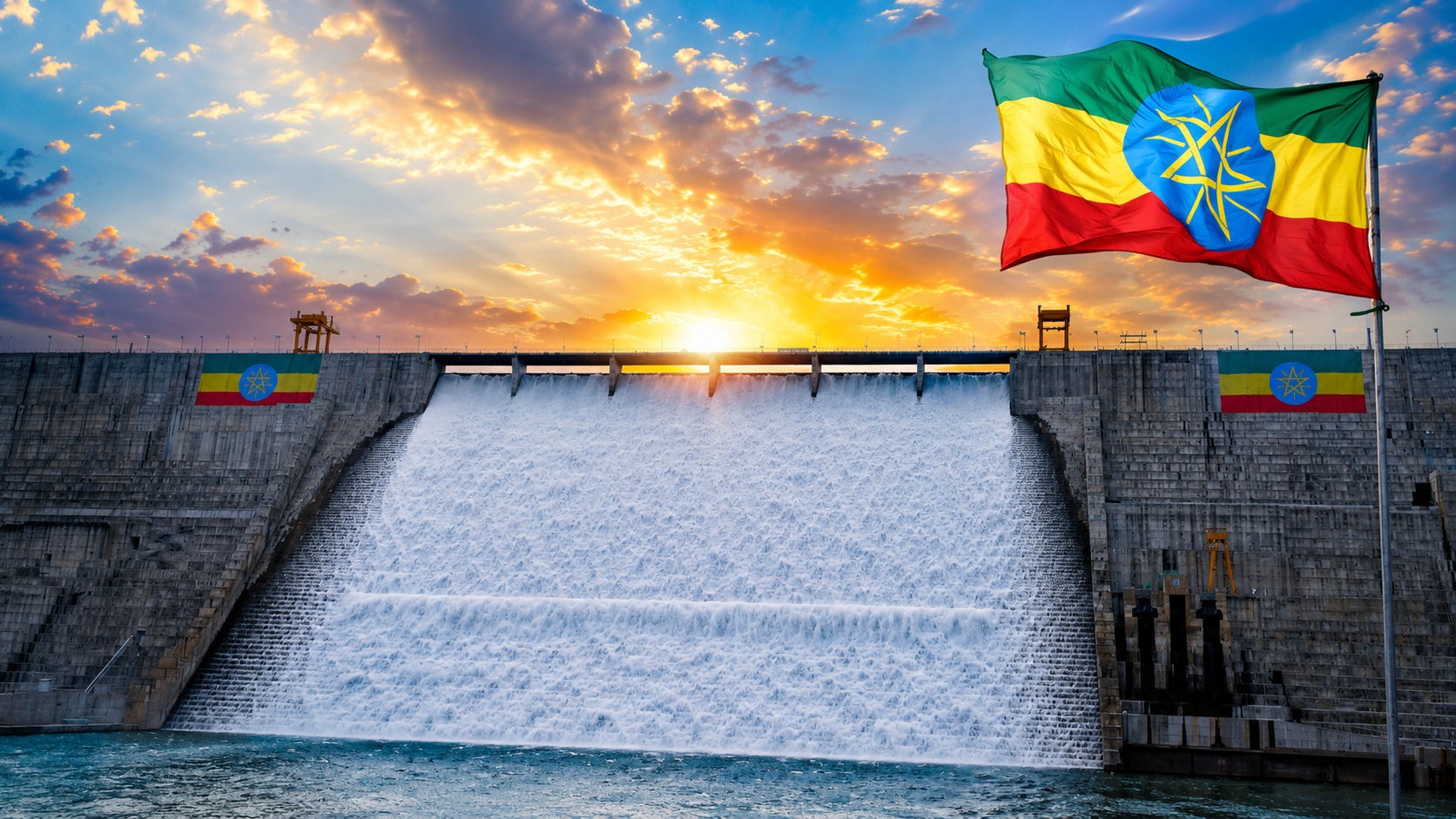
The equitable utilization of the Nile remains a fundamental principle upheld by all riparian states, particularly Ethiopia. Ethiopia firmly believes that the Nile is a shared natural resource that should benefit all member countries in a fair and reasonable manner. Guided by this conviction, Ethiopia constructed GERD not only to meet its developmental needs but also to promote shared growth and prosperity across the region.
The country's commitment to collective advancement is demonstrated through its efforts to export electricity generated by GERD to neighboring nations, fostering regional integration, economic cooperation, and mutual prosperity. GERD stands as a symbol of Africa’s capacity to harness shared resources for common development and win-win partnerships.
For decades, the countries of the Nile Basin have pursued dialogue and negotiations aimed at establishing a cooperative framework for the equitable and reasonable utilization of the Nile River. These efforts have been guided by the principles of shared development, mutual benefit, and respect for the legitimate interests of all riparian states. The vision underpinning these discussions is clear: to transform the Nile from a source of division into a catalyst for regional integration, economic growth, and collective prosperity for hundreds of millions of Africans who depend on its resources.
However, attempts of Egypt to internationalize issues that can and should be resolved through African-led mechanisms run counter to the continent’s long-standing commitment to African solutions to African problems. By seeking to advance national positions through external actors rather than through constructive regional engagement, such approaches risk undermining the spirit of Pan-Africanism and African unity. At a time when Africa is striving to strengthen its voice, assert its strategic autonomy, and realize the aspirations of Agenda 2063 for a prosperous, integrated, and influential continent, it is imperative that disputes over shared resources be addressed through dialogue, cooperation, and African institutions that prioritize common interests over narrow agendas.
The time has come for Egypt to recognize that the real solution to its water challenges resides within Africa. The continent possesses the water resources and the collective wisdom to manage them equitably. External powers may offer promises, but they cannot replace African unity, regional cooperation, and a shared commitment to sovereignty. As history has shown, division and reliance on outside powers only deepen conflicts and hinder sustainable development. The Nile’s waters belong to Africa—let us not allow external interests to drown out our collective voice and sovereignty. Instead, let us focus on strengthening African institutions, fostering regional dialogue, and implementing agreements that serve all Nile basin nations equitably. Only then can Africa truly harness its resources for sustainable growth and stability.
Source: The Pulse of Africa (ENA)