The Crucible of Pan-Africanism: Assessing Ethiopia’s Diplomatic Ascendance and the Architecture of Continental Hope (2025–2026) - ENA English


The Crucible of Pan-Africanism: Assessing Ethiopia’s Diplomatic Ascendance and the Architecture of Continental Hope (2025–2026)
June 18, 2026
By Ahmed Hashim
Ethiopian Diplomacy
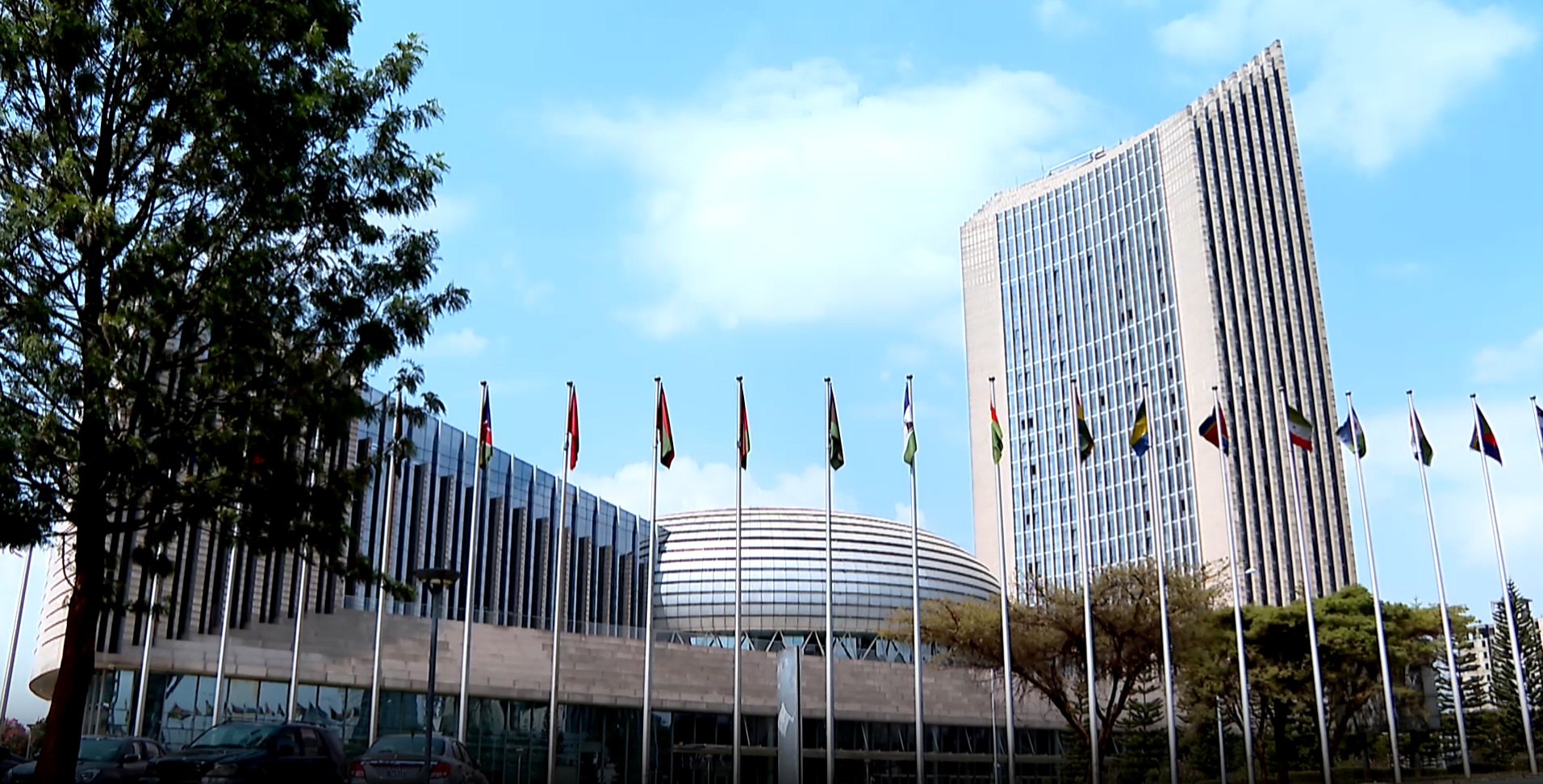
Diplomacy is not merely measured by the conventions signed within a capital, but by the historical weight that capital commands. For over a century, Addis Ababa has served as the political and spiritual anchor of African independence. As the only African nation to decisively defeat colonial ambition, Ethiopia’s sovereignty became the template for continental liberation. Today, this legacy has transitioned from anti-colonial resistance to a sophisticated, proactive diplomacy.
In 2025 and moving into 2026, Ethiopia has firmly consolidated its status as the diplomatic capital of Africa. Guided by systemic Pan-African ideals, institutional reforms, and a foreign policy rooted in shared prosperity and sovereign equality, the nation has emerged as the indispensable arena for rewriting the global African narrative.
A Nexus for Global Deliberation
The sheer volume of high-level engagement over the past eighteen months underscores Addis Ababa's unrivaled convening power. Between 2025 and the first half of 2026, Ethiopia successfully hosted hundreds of continental and international forums, summits, and high-level ministerial conferences.
These were not merely administrative gatherings; they were strategic flashpoints where global policies were recalibrated:
Narrative Sovereignty: From African Union (AU) extraordinary sessions to global tech exhibitions, climate resilience forums, and international media summits, Addis Ababa proved it is the definitive space where Africa speaks to the world on its own terms.
A Concourse of Leaders: The city has witnessed a steady procession of heads of state, global tech pioneers, and international financial leaders. These visits went beyond routine statecraft, serving as platforms to deliberate on regional integration, structural economic shifts, and peace architectures.
Pan-Africanism, Equity, and Shared Growth
Ethiopia’s contemporary diplomatic doctrine is built upon three foundational pillars that challenge traditional, zero-sum geopolitical calculations:
Non-Zero-Sum Pan-Africanism: Ethiopia’s foreign policy is anchored in the belief that its national development is inextricably linked to the progress of the African continent. This manifests in its strong advocacy for institutionalizing Pan-African institutions, standardizing African regional value chains, and providing structural platforms for African voices to challenge legacy global financial systems.
Shared Prosperity ("Medemer" in Regional Application): The principle of symbiotic growth guides Ethiopia’s cross-border infrastructure initiatives. Recognizing that political diplomacy is hollow without economic integration, Ethiopia has positioned itself as the clean energy powerhouse of East Africa. By exporting hydroelectric power to its neighbors (including Kenya, Djibouti, and Sudan) and integrating regional transport corridors, the nation treats infrastructure as a shared continental asset rather than a tool of leverage.
Equity and Sovereign Equality: In global forums, Ethiopian diplomacy actively counters structural imbalances where African nations are treated as peripheral actors. By championing the concept of Isothymia—the demand for equal recognition and dignity among nations—Ethiopia has consistently advocated for Africa’s permanent representation on the UN Security Council and for a more equitable distribution of voting powers within the IMF and World Bank.
A Beacon of Regional Stability: The Horn of Africa is a region of immense strategic value but complex geopolitical dynamics. Within this landscape, Ethiopia has established itself as a stabilizing anchor through several key modalities:
Pioneering Homegrown Peace Processes: By demonstrating that complex, internal and regional challenges can be resolved through authentic national mechanisms and African mediation, Ethiopia has provided a working blueprint for other nations navigating political transitions.
The Paradigm of Joint Progress: Rather than pursuing isolationist security policies, Ethiopia’s defense and diplomatic strategies are structured around collective security. The country remains one of the primary historical and contemporary contributors to African Union and UN peacekeeping missions, illustrating a willingness to invest material and human capital in regional peace
Ethiopia's Diplomacy
The Horizon of African Diplomacy: A Blueprint for Tomorrow
As the continent navigates an increasingly fragmented multipolar world, Ethiopia stands as the vanguard of African diplomatic agency. The future of this diplomacy is defined by three emerging horizons:
Digital and Narrative Sovereignty
Through hosting major continent-wide youth summits, tech exhibitions, and influencer forums, Ethiopia is actively empowering the next generation of African storytellers. The message is clear: Africa will no longer let external actors dictate its internal realities.
The Capital of Multilateralism
Addis Ababa is evolving beyond its identity as the headquarters of the African Union and the UNECA. It is transforming into a global laboratory where Southern-led paradigms of economic development, climate adaptation, and trade diversification are actively designed and implemented.
Strategic Agency in a Multipolar World
As a crucial bridge between traditional international bodies and emerging global alliances, Ethiopia ensures that African interests are not caught in the crossfire of geopolitical rivalries, but are instead integrated into the foundational architecture of the new global order.
Global Statesmanship in Action: High-Profile Influx and Strategic Alliances
The physical manifestation of Ethiopia’s elevated diplomatic leverage is best observed through the historic influx of global leaders, institutional heads, and international delegations to Addis Ababa throughout 2025 and 2026. Far from being ceremonial state visits, these high-level engagements have served as active working sessions to design new frameworks for trade, continental security, and multilateral governance.
Ethiopia's Diplomacy
Heads of state from across the African Union—including key regional leaders from East Africa, West Africa, and the Maghreb—convened in the capital. These visits solidified unified African positions on global platforms, moving beyond fragmented regional blocks toward a single, cohesive continental voice.
Following its strategic integration into expanded global coalitions, Ethiopia hosted senior delegations from major emerging economies and global powers. These visits solidified key infrastructure partnerships, technology transfer frameworks, and alternative financing agreements that completely bypass traditional, restrictive development models.
Directors and executives from the United Nations, and international financial institutions traveled to Addis Ababa. Rather than dictating structural adjustments, these entities engaged in critical dialogues reframing how climate finance and economic development should be managed equitably in Sub-Saharan Africa.
These engagements underscore a critical shift in global statecraft: leaders are no longer just visiting Ethiopia to maintain traditional diplomatic ties; they are arriving to secure strategic partnerships. By positioning itself as an accessible, neutral, and ideologically grounded anchor, Ethiopia has converted these state visits into long-term diplomatic dividends—proving that the road to addressing African challenges and opportunities invariably passes through Addis Ababa.
The Indispensable Capital
Ethiopia’s trajectory over 2025 and 2026 confirms that it is not merely a venue for diplomacy, but its primary engine on the continent. By fusing historic prestige with a dynamic, forward-looking foreign policy, the nation serves as a reminder that Africa is a major stakeholder in the global arena. As Addis Ababa continues to host the world and mediate the future, it solidifies its eternal promise: to remain the ultimate guardian of Pan-African dignity, unity, and shared human progress.


