National Dialogue Serving as Stepping Stone toward Consensus and Peace, Says Commissioner Yonas Adaye - ENA English


National Dialogue Serving as Stepping Stone toward Consensus and Peace, Says Commissioner Yonas Adaye
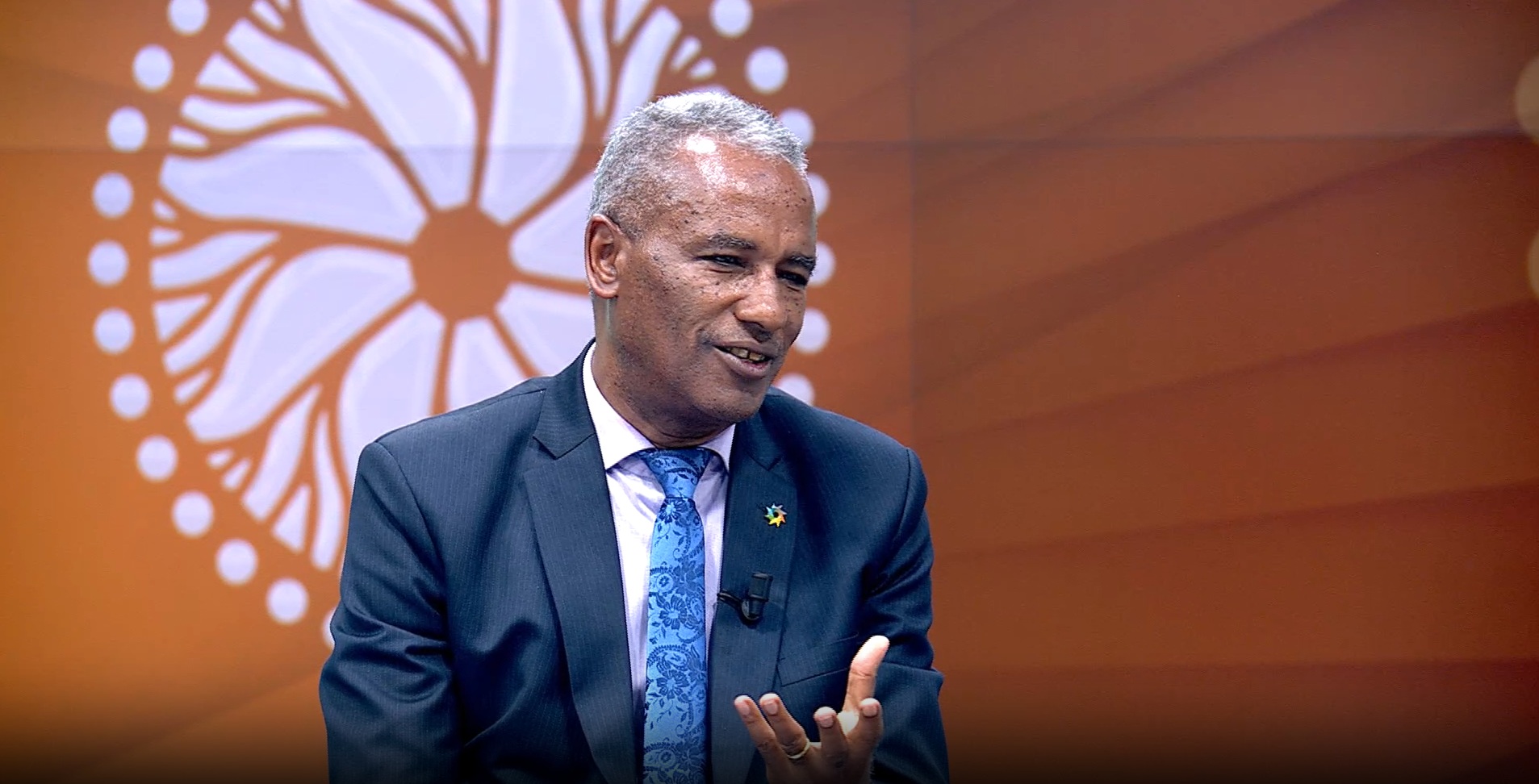
Addis Ababa, June 17, 2026 (ENA) — Ethiopia’s ongoing National Dialogue is laying the foundation for national consensus and sustainable peace by creating an inclusive platform for citizens to address differences through discussion, Commissioner Yonas Adaye said.
Speaking to POA, Ethiopian National Dialogue Commission (ENDC) Commissioner Yonas Adaye described the dialog as a long-term undertaking that requires patience and sustained engagement.
He further noted that meaningful solutions can only emerge through a deeper understanding of complex national issues.
According to the commissioner, Ethiopia’s National Dialogue is unique because, although it was initiated by the government, it has also been demanded, supported, and embraced by opposition political parties, civil society organizations, and broad segments of society.
Commissioner Yonas also said participation in the process has expanded steadily as public trust and confidence have grown.
He explained that some political parties initially agreed to engage with the process based on principles of transparency, inclusiveness, and participation before later committing more fully to the dialogue.
The commissioner also revealed that the National Dialogue Conference is scheduled to take place in mid-July and will bring together thousands of participants selected through grassroots and constituency based mechanisms.
He said approximately 4,000 delegates from across Ethiopia and abroad, including members of the diaspora community, are expected to participate in the conference.
Facilitators, trained experts, and specialists in various fields will guide the discussions, while structured deliberations are designed to accommodate diverse interests and perspectives.
Yonas noted that the dialogue seeks to achieve broader national objectives, including building consensus on key policy directions, strengthening trust between citizens and state institutions, fostering social cohesion among communities, and promoting dialogue as a lasting political culture.
While acknowledging that dialogue is not a quick solution to every conflict, he stressed its importance in creating a peaceful space where disagreements can be addressed constructively and root causes of tensions can be openly discussed.
"It has been a stepping stone towards national consensus and peace," Yonas said, adding that increasing inclusiveness and meaningful participation have strengthened public confidence in the process over time.
The commissioner further described trust as a fundamental pillar for the success of the National Dialogue, citing research and academic findings indicating that confidence in the process has grown as participation broadened and engagement became more substantive.
Responding to questions regarding the commission's independence, Yonas acknowledged that complete independence is a complex issue. However, he emphasized that the process remains locally owned and driven by Ethiopian institutions and citizens.
He further stated that the dialogue process encourages open, honest, and constructive discussions, including on politically sensitive issues, through democratic grassroots participation.
Comparing the current initiative with previous dialogue efforts in Ethiopia, Yonas said earlier processes were largely controlled by ruling elites and lacked the broad grassroots participation that characterizes the ongoing National Dialogue.
According to the commissioner, the dialogue is taking place amid growing global instability marked by conflicts and violence in various parts of the world. In this context, he argued that Ethiopia's experience demonstrates the value of dialogue as a tool for resolving disputes peacefully.
"The process is led by Ethiopians addressing Ethiopian challenges," he said, describing it as an example of "African solutions to African problems."
The commissioner finally urged for continued public optimism, responsible media engagement, and stronger pan African solidarity emphasizing the need to resolve differences through dialogue, mutual understanding, and cooperation.


