Ethiopia Hosts Conference on Migration Research for Peacebuilding, Sustainable Development - ENA English


Ethiopia Hosts Conference on Migration Research for Peacebuilding, Sustainable Development
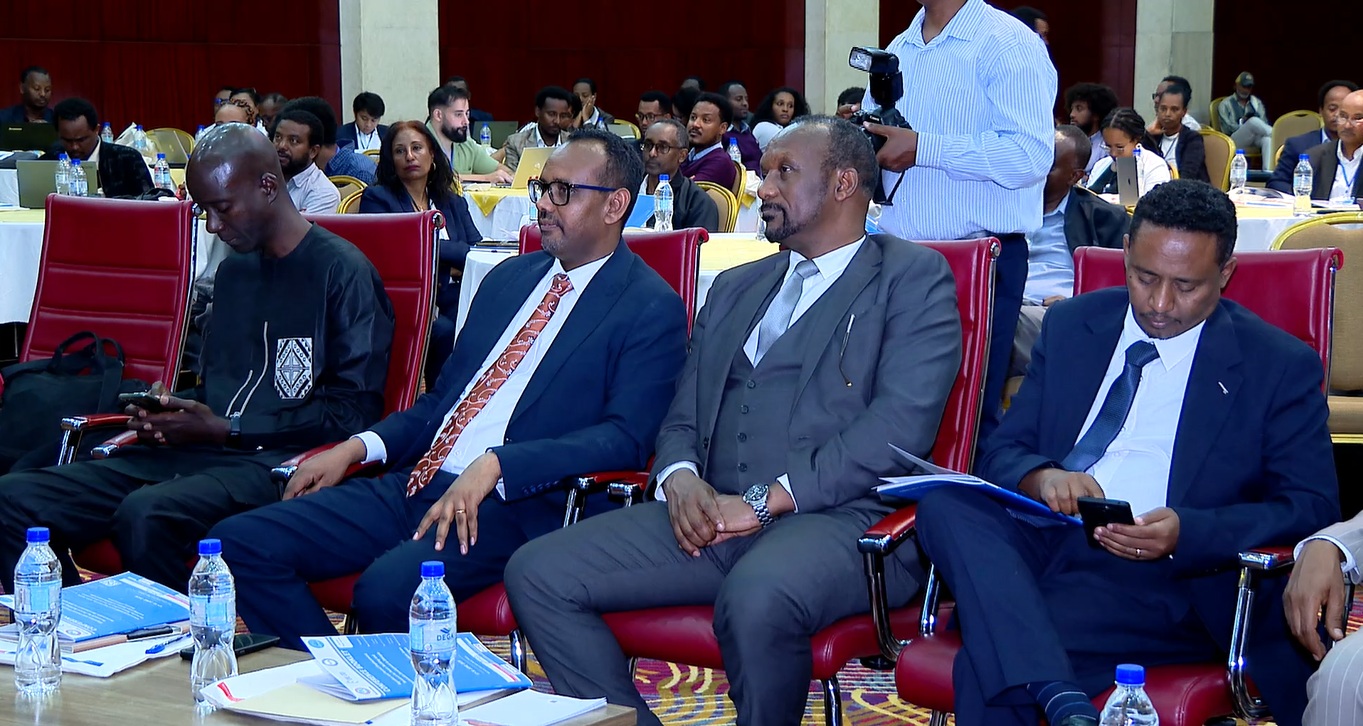
Ethiopia has hosted a regional conference aimed at strengthening the role of migration research in shaping policies for peacebuilding and sustainable development
The conference, taking place from June 17 to 19, 2026 has brought together policymakers, academics, migration experts, and representatives of universities, government institutions, development partners, and civil society organizations from across the Horn of Africa.
Themed as “Migration and Forced Displacement Research for Peacebuilding and Sustainable Development in Ethiopia”, the conference is organized by Addis Ababa University in partnership and the Ministry of Education.
Speaking at the event, Justice State Minister Belayhun Yirga said that migration presents both opportunities and challenges for Ethiopia and the wider international community.
“For Ethiopia and the world, migration is an opportunity and a responsibility,” he said.
The state minister noted that Ethiopian migrants make significant contributions to national development through remittances, investments, entrepreneurship, skills transfer, and transnational networks.
“When properly governed, migration becomes a powerful driver of economic prosperity and social progress,” he stated.
He further warned the dangers associated with irregular migration.
“Too many of our citizens undertake dangerous journeys through informal routes, exposing themselves to exploitation, trafficking, abuse, detention, psychological trauma and, tragically, loss of life,” the state minister said.
Opening the conference, State Minister for Higher Education Kora Tushune emphasized the importance of research in informing policy decisions and improving the lives of displaced populations and migrants.
“Research has the power to transform lives,” he said. “A well-designed study can strengthen national policy; a robust evidence base can improve humanitarian responses; thoughtful recommendations can shape legislation.”
"As researchers, we need policymakers willing to listen and act. Development partners and civil society must join us to translate knowledge into impact,” Kora said.
Director of the African Centre for the Study and Research on Migration at the African Union Commission, Ibrahima Amadou Dia, on his part urged participants to examine forced displacement within the context of evolving geopolitical realities and persistent protection challenges.
“Forcibly displaced people are not passive victims; they are strategic navigators who pursue mobility, legality and livelihoods despite constrained and often hostile systems,” he added.
Dia further stressed that the governance of forced displacement is influenced by legal frameworks, political interests, and the interaction of domestic, regional, and international actors.
On behalf of the Acting President of Addis Ababa University, Professor Fikadu Gashaw described the conference as an important platform for bridging academic research and practical solutions.
Citing global displacement figures, he noted that more than 118 million people are forcibly displaced worldwide, with over 25 million residing in the Middle East and Sub-Saharan Africa.
“Our ambition is clear: move beyond dialogue to evidence-based recommendations that guide safe, orderly migration and strengthen protections,” he said. “Addis Ababa University intends to serve as a hub for research and solutions.”
of the United Nations High Commissioner for Human Rights through dialogue, cooperation, mutual respect, and national ownership.
The 62nd Session of the UN Human Rights Council is being held in Geneva from June 15 to July 7, 2026.
Ethiopia continues to actively participate in the Council’s deliberations while pursuing reforms aimed at building a peaceful, democratic, and prosperous future for all its citizens.


