Indian Urban Development Expert Commends Addis Ababa’s Infrastructure Progress, Safer Child-Friendly Streets - ENA English
Indian Urban Development Expert Commends Addis Ababa’s Infrastructure Progress, Safer Child-Friendly Streets
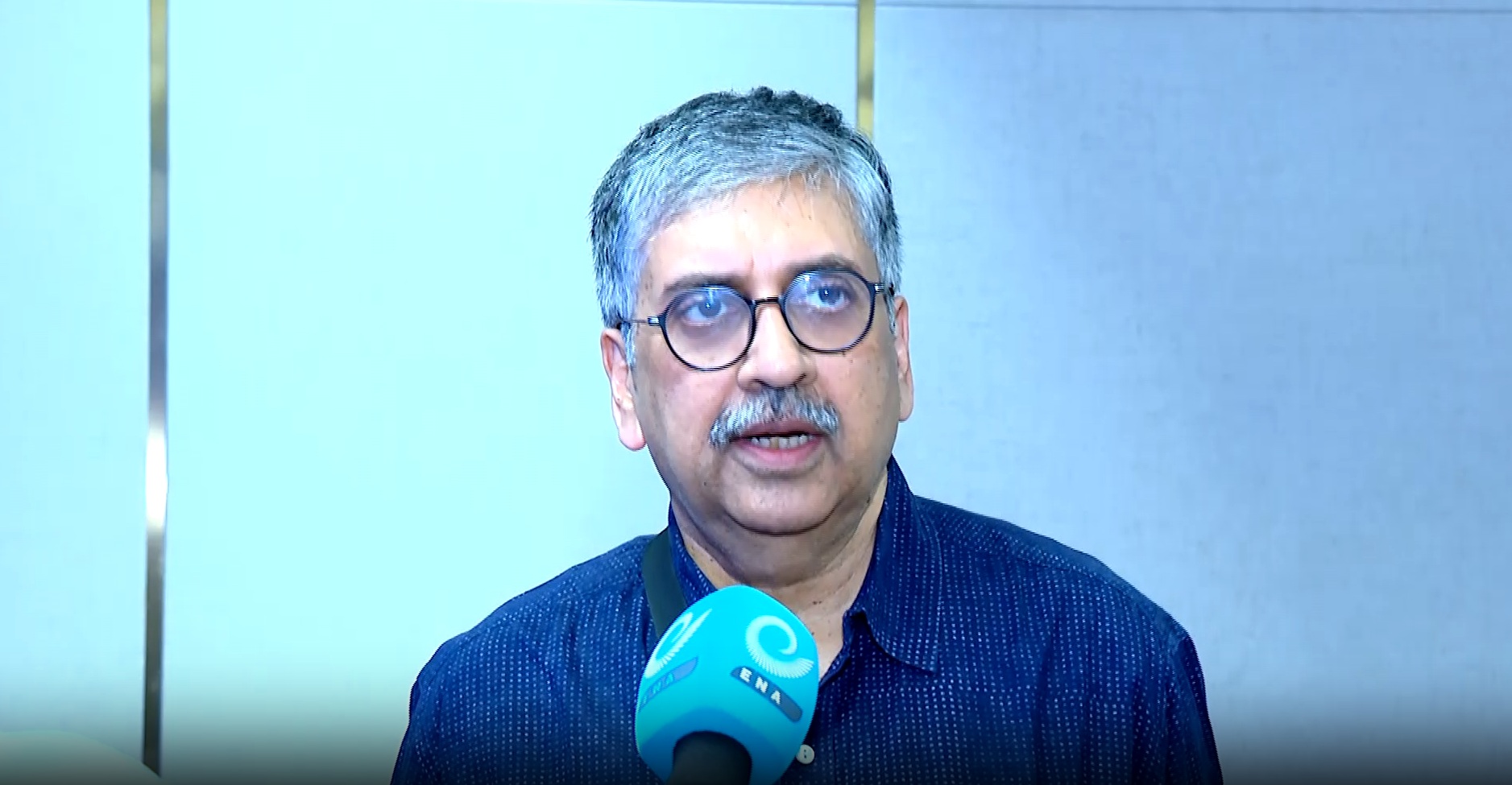
Addis Ababa, June 16, 2026 (ENA) — An Indian urban development expert has praised Addis Ababa’s ongoing infrastructure transformation and the efforts to create child-friendly public spaces and street design.
Speaking exclusively to ENA, Arunava Dasgupta, Professor of Urban Design at the School of Planning and Architecture (SPA) in India, said Addis Ababa is making encouraging progress toward building safer, greener, and more inclusive urban environments for children.
"I feel that Addis Ababa is going the right way already. It is taking quite a few steps," Dasgupta said, citing the city's growing investment in public spaces and child-centered urban development.
The professor noted that similar initiatives are emerging across Africa, with cities increasingly recognizing the importance of designing urban spaces that support children's well-being.
"I've heard many people from Ghana, from Accra, and from Senegal. They all seem to be converging with respect to the players who are involved in the making of good child-friendly spaces," he said.
Describing Addis Ababa as a leading example, Dasgupta said the Ethiopian capital is demonstrating practices that other cities should consider adopting.
"Addis Ababa is a strong example, which I think other cities should pick up quickly," he stated.
According to the urban design expert, visible improvements such as the construction of new playgrounds, the expansion of green spaces, and initiatives encouraging children to engage with outdoor environments indicate that meaningful progress is already underway.
"It's also to do with playgrounds and the addition of green spaces all over. We're hearing that more and more," he said, adding that such interventions are already enhancing the quality of urban life for children.
Despite these positive developments, Dasgupta stressed that greater attention must be given to the safety of streets and routes connecting homes, schools, and health facilities.
"So the thing is that if you're able to make the routes also become far more friendly for them and safe for them, then at least between home and school, the child is not going to get killed on the route. So that is very important for us," he warned.
Emphasizing the critical role of urban design in protecting children, he added, "As urban designers, we feel the routes are very important. We should not keep that marginalized. It has to be done right now."
Dasgupta also highlighted the importance of accessible outdoor spaces for children living in increasingly dense urban settings.
"If they're having to live in apartments, they need to come down sometime. That means they will have to get out of the home, come to their schools, come to their health centers," he said, arguing that safe and accessible public spaces are essential for children's physical, social, and emotional development.
While acknowledging that the challenge remains significant, the professor said Addis Ababa's progress provides a strong foundation for more ambitious child-centered urban planning initiatives across Ethiopia and the wider African continent.
The project showcases large-scale efforts to integrate green corridors, pedestrian walkways, recreational areas, and public spaces into the city's urban landscape, contributing to a more livable and inclusive environment for residents.