TPLF Trying to Drag Northern Ethiopia into Devastating Conflict: Former Tigray Interim Admin Cabinet Secretariat Head - ENA English


TPLF Trying to Drag Northern Ethiopia into Devastating Conflict: Former Tigray Interim Admin Cabinet Secretariat Head
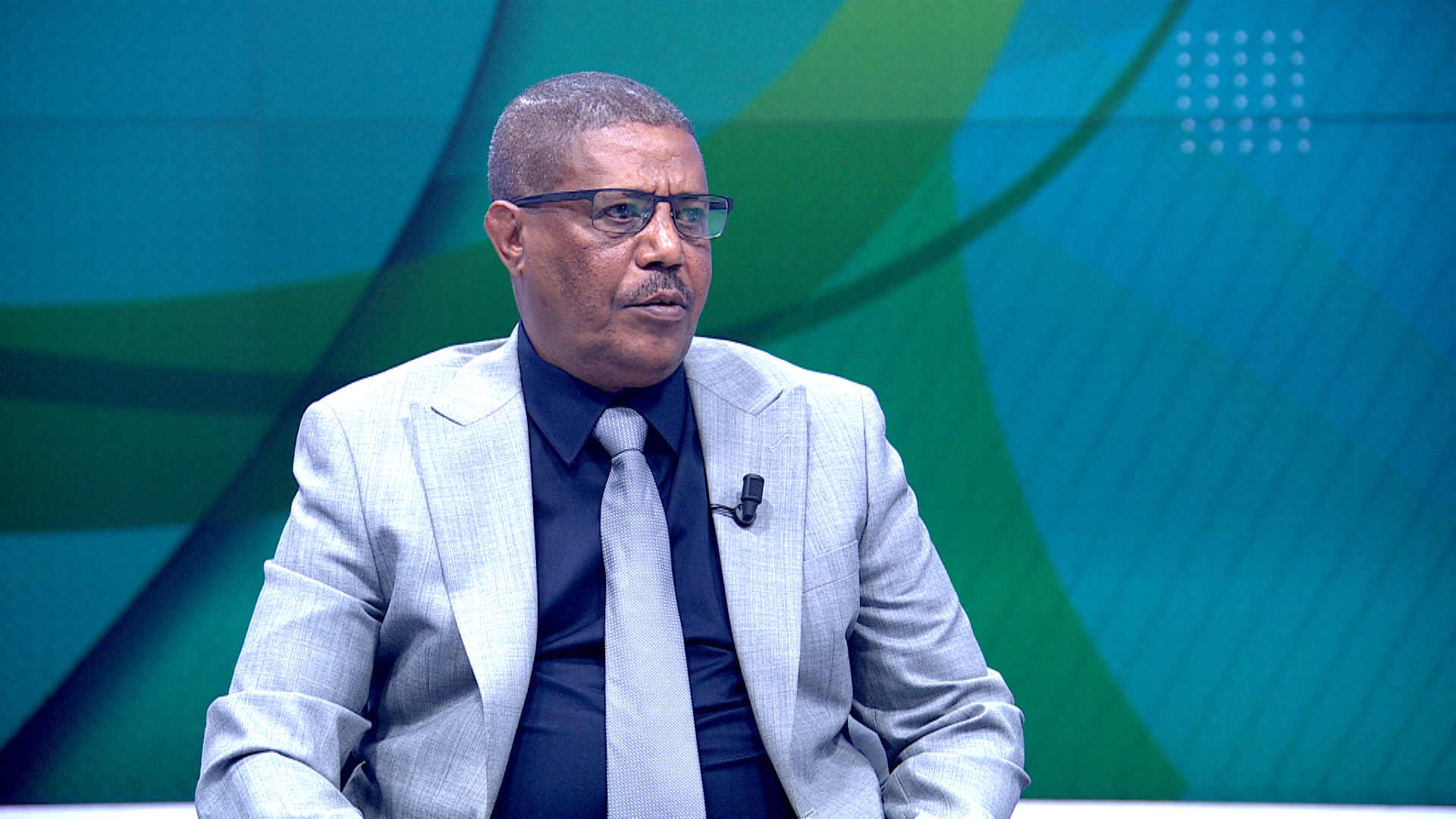
Addis Ababa, June 13, 2026 (ENA) —The rump of Tigray People's Liberation Front (TPLF), which illegally ousted the regional interim administration, is pursuing a course that could drag northern Ethiopia back into a devastating cycle of conflict, Professor Kindeya Gebrehiwot, Head of the Cabinet Secretariat of the first Tigray Interim Regional Administration, warned.
Urging governments, regional organizations, and development partners to take a stronger stance against those undermining the peace process in Tigray, he emphasized that the group plotting to create havoc is not TPLF as such.
"To make the record straight," he said "TPLF has been divided into different groups and there is one criminal group that recently made a coup against the Interim Regional Administration. And this criminal group still continues to cause serious concerns that could lead to any confrontation."
The Professor warned: "I think the situation we have is very concerning, because this group cannot live without such a conflict".
In an exclusive interview with ENA, Professor Kindeya commended the Ethiopian government's "maximum patience" in safeguarding the peace process, and pointed to growing public resistance in Tigray region to any return to war.
According to him, the faction has consistently resisted implementation of the Pretoria Agreement and sought to obstruct successive interim administrations established to facilitate post-war recovery, governance reform, and political normalization in Tigray region.
The group worked against both the administration led by Getachew Reda, the first Interim Chief Administrator, and the next administration headed by Lieutenant General Tadesse Werede, despite having initially supported the latter's appointment.
"The pattern has remained the same," he elaborated. "Whenever there is an opportunity to advance peace, recovery, and institutional stability, they seek to create obstacles and maintain conditions of confrontation."
He stressed that unresolved political, governance, and border issues should be addressed through dialogue, constitutional processes and democratic institutions rather than through military means.
Expressing growing concern over TPLF's recent campaigns, Professor Kindeya raised alarm over reports of forced military recruitment in parts of Tigray region, claiming that young people are being rounded up and sent to training camps against their will.
Efforts to mobilize large numbers of youth voluntarily have however largely failed, reflecting widespread public opposition to renewed conflict, he said.
"Many young people are rejecting the prospect of war. There is a growing sentiment throughout Tigray that another round of fighting would be catastrophic for the region."
Drawing on the devastating consequences of the two-year conflict in northern Ethiopia, Professor Kindeya emphasized that Tigray remains economically and socially fragile and is in no position to endure another military confrontation.
Moreover, "Tigray has already paid enormous price. (So), the region should now be focused on rehabilitation, reconstruction, and healing rather than being dragged back into war."
Warning against external destabilization efforts, the professor also raised concerns over what he described as attempts to build alliances involving anti-peace actors both inside and outside Ethiopia.
With the so-called Tsimdo alliance, he noted that certain actors were promoting arrangements aimed at escalating tensions and undermining Ethiopia's stability.
The Professor stressed that any efforts designed to re-ignite conflict should be unequivocally rejected by all stakeholders committed to regional peace.
"There must be sustainable peace in the region," he said. "We should strongly condemn such unholy alliances. Having witnessed the war firsthand, I know the immense suffering that conflict brought to Tigray."
He warned that external involvement in local disputes could transform domestic tensions into a broader regional crisis with far-reaching consequences for the Horn of Africa.
Addressing the role of the international community, Professor Kindeya urged governments, regional organizations, and development partners to take a stronger stance against individuals undermining the peace process.
"The international community should call a spade a spade," he underscored. "Those who are working to re-ignite conflict should be identified and held individually accountable."
Preserving the gains of the Pretoria Agreement requires sustained international vigilance and support for peaceful political engagement, he emphasized.
The Professor described the Pretoria Agreement as a historic opportunity to move beyond conflict and build a future centered on recovery, development, and reconciliation.
"Ethiopia's future depends on peace," he concluded. "This should be a time for reconstruction, development, and national healing—not another round of conflict."


