Ethiopia's Draft Budget Aims to Maintain Achievements Registered through Reforms - ENA English
Ethiopia's Draft Budget Aims to Maintain Achievements Registered through Reforms
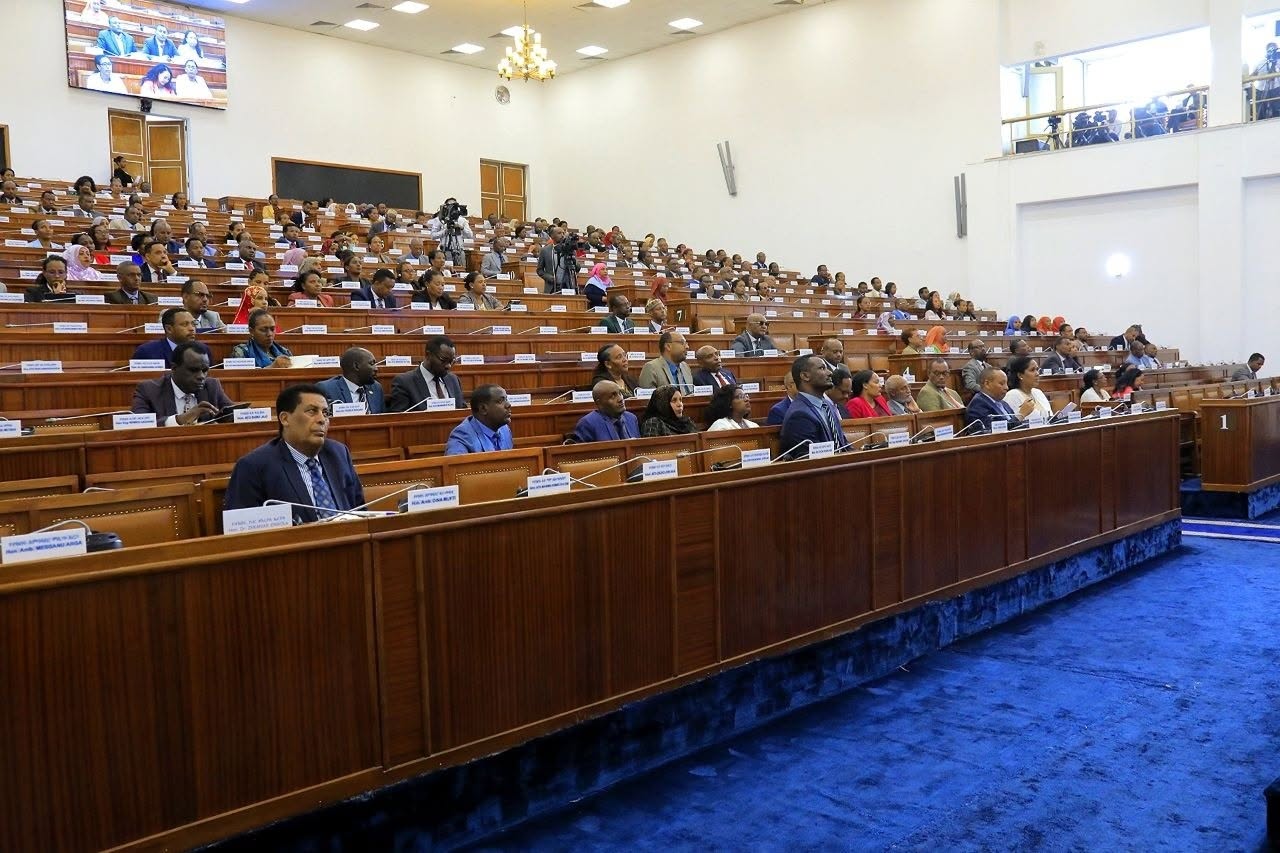
Addis Ababa, June 11, 2026 (ENA) —The 2.339-trillion Birr federal government draft budget for the upcoming 2019 Ethiopian fiscal year aims at maintaining the achievements registered through the comprehensive economic reforms, Finance Minister Ahmed Shide said today.
The House of People's Representatives (HPR) has referred the draft budget to the Plan, Budget, and Finance Affairs Standing Committee for further review.
The proposed federal budget is expected to support continued investments in infrastructure, agriculture, industrial development, and social services while preserving the government’s commitment to macroeconomic stability.
On Tuesday, the Council of Ministers passed a record-breaking over 2.3 trillion birr draft federal budget for the upcoming 2019 Ethiopian fiscal year (2026/27).
The draft Federal Government Budget has been prepared based on the goals set in the fiscal year's Development and Investment Plan, which is part of the Ten-Year Development Plan, it was learned.
Presenting the draft budget to the House of People’s Representatives during its 25th regular session, Finance Minister Ahmed Shide stressed that it is aimed at maintaining the achievements registered through the economic reforms.
According to him, preparation of the draft budget took into consideration the macroeconomic and other development plans as the country’s economy is expected to grow by 10.1 percent for the upcoming EFY.
Stating that the implementations of the country's Homegrown Economic Reform and the Ten-Year Development Plan have been successful, Ahmed said Ethiopia’s economy has registered significant achievements, effectively withstanding the internal and external pressures.
The Minister revealed that more than 1.2 trillion Birr out of the 2.339 trillion Birr is allocated for recurrent expenditure, 568.2 billion Birr for capital expenditure, 520.6 billion Birr for regional states support, and 14 billion Birr for regional states SDGs.
From the total budget, 52.9 percent is alloted to recurrent expenditures, including for domestic and foreign debt repayment, fertilizer, and petroleum subsidy, among others.
Ethiopia achieved an average annual economic growth rate of 6.8 percent between the 2018/19 and 2023/24 fiscal years, before registering a remarkable 9.2 percent expansion in the 2024/25 fiscal year.
Driven by the country’s comprehensive economic reforms, Ethiopia’s economy is expected to register 10.2 percent growth by the end of this Ethiopian fiscal year.
Ethiopia’s coordinated monetary and fiscal reforms are delivering strong economic results, helping position the country among the world’s fastest-growing economies.