Ethiopia’s Coordinated Economic Reforms Drive Rapid Growth, Sharp Inflation Decline: Finance Minister - ENA English


Ethiopia’s Coordinated Economic Reforms Drive Rapid Growth, Sharp Inflation Decline: Finance Minister
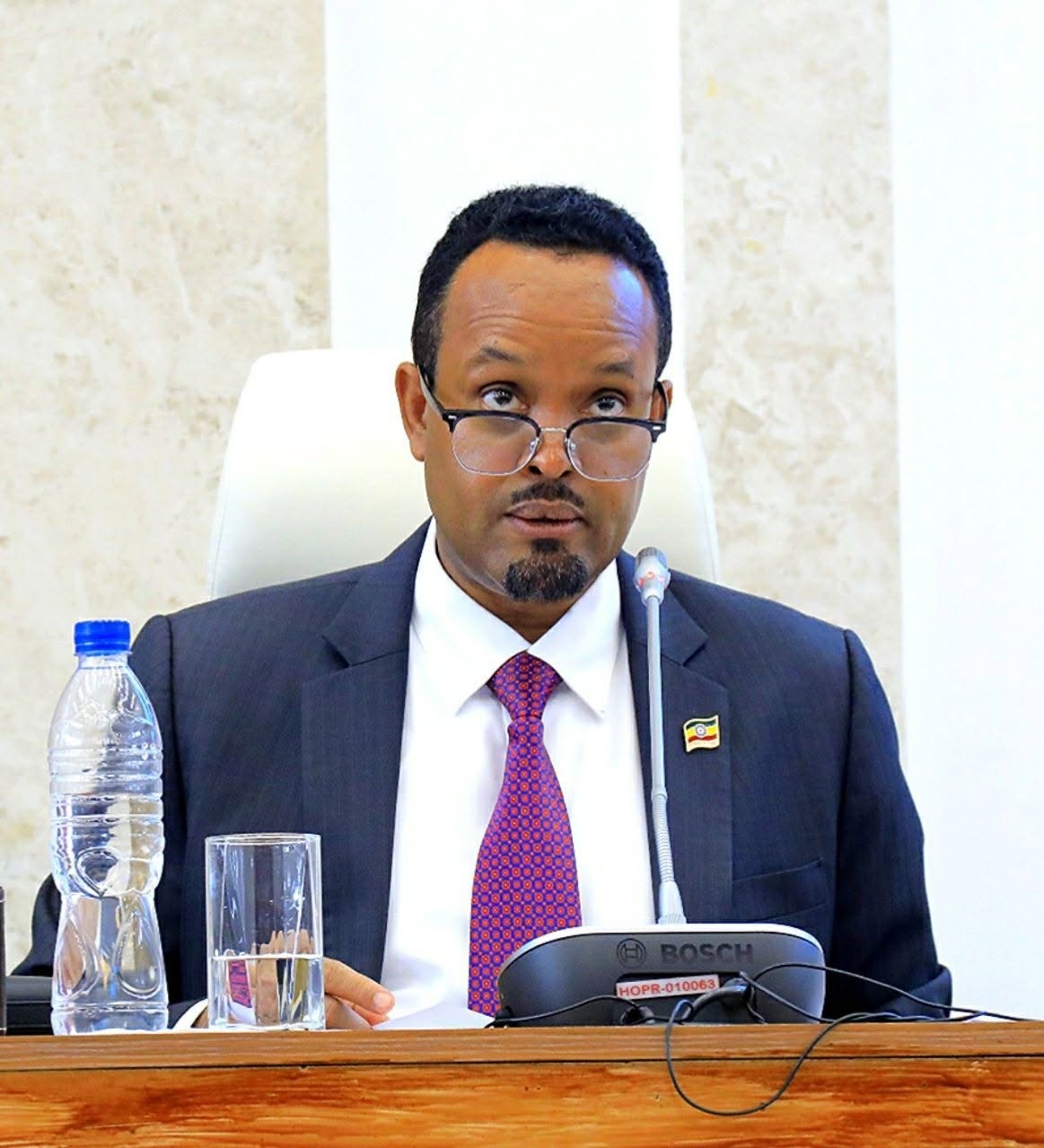
Addis Ababa, June 11, 2026 (ENA) —Ethiopia’s coordinated monetary and fiscal reforms are delivering strong economic results, helping position the country among the world’s fastest-growing economies while significantly reducing inflation, Finance Minister Ahmed Shide told lawmakers on Thursday.
Presenting the federal government’s draft budget to the House of People’s Representatives during its 25th regular session, Ahmed said the alignment of fiscal and monetary policies under Ethiopia’s Homegrown Economic Reform Agenda has strengthened macroeconomic stability, accelerated growth, and enhanced the country’s resilience to both domestic and external shocks.
According to the minister, Ethiopia achieved an average annual economic growth rate of 6.8 percent between the 2018/19 and 2023/24 fiscal years, before registering a remarkable 9.2 percent expansion in the 2024/25 fiscal year.
Despite ongoing geopolitical tensions and economic uncertainties affecting global markets, particularly in the Middle East, Ethiopia’s economy is projected to grow by 10.2 percent during the current fiscal year, further highlighting the country’s rising economic momentum.
“Ethiopia’s growth story is increasingly distinguished by its ability to sustain strong economic expansion while simultaneously reducing inflationary pressures,” Ahmed told Parliament.
The minister attributed the achievement to disciplined macroeconomic management, including close coordination between fiscal and monetary authorities, targeted supply-side interventions, and structural reforms designed to boost domestic productivity.
A central pillar of the government’s reform strategy has been tighter control of money supply growth.
Ethiopia has also ended the long-standing practice of financing federal budget deficits through direct central bank advances, a move widely regarded as critical to restoring macroeconomic stability and strengthening fiscal discipline.
As a result, inflation has fallen dramatically from a peak of 34.5 percent in August 2021 to 9.4 percent by March 2025.
This marks one of the most significant declines in the country’s recent economic history, it was learned.
The Finance Minister noted that increased agricultural output, improved livestock supply chains, and expanded urban farming initiatives have boosted food availability and helped ease cost-of-living pressures.
These measures, alongside market stabilization efforts and foreign-exchange reforms, have contributed to sustained moderation in both food and non-food prices.
Recent data from the Ethiopian Statistics Service points to continued stabilization in consumer prices, reinforcing confidence in the government’s broader economic management framework.
The finance minister further emphasized that Ethiopia’s economic transformation is being guided by the nation’s Ten-Year Development Plan, which aims to build a more productive, resilient, and competitive economy capable of delivering inclusive and sustainable growth.
Economists view Ethiopia’s recent performance as particularly noteworthy at a time when many emerging economies continue to grapple with high inflation, debt burdens, and slowing growth.
The combination of robust economic expansion and declining inflation has strengthened confidence in the country’s reform trajectory and reinforced its standing as one of Africa’s leading growth engines.
The proposed federal budget is expected to support continued investments in infrastructure, agriculture, industrial development, and social services while preserving the government’s commitment to macroeconomic stability and fiscal responsibility.
As Ethiopia advances its reform agenda, policymakers say the country is laying the groundwork for sustained growth, increased investment attraction, and long-term prosperity in one of Africa’s largest and most dynamic economies.


