Harvard Scholar Commends Addis Ababa’s Child-Friendly Urban Development - ENA English
Harvard Scholar Commends Addis Ababa’s Child-Friendly Urban Development
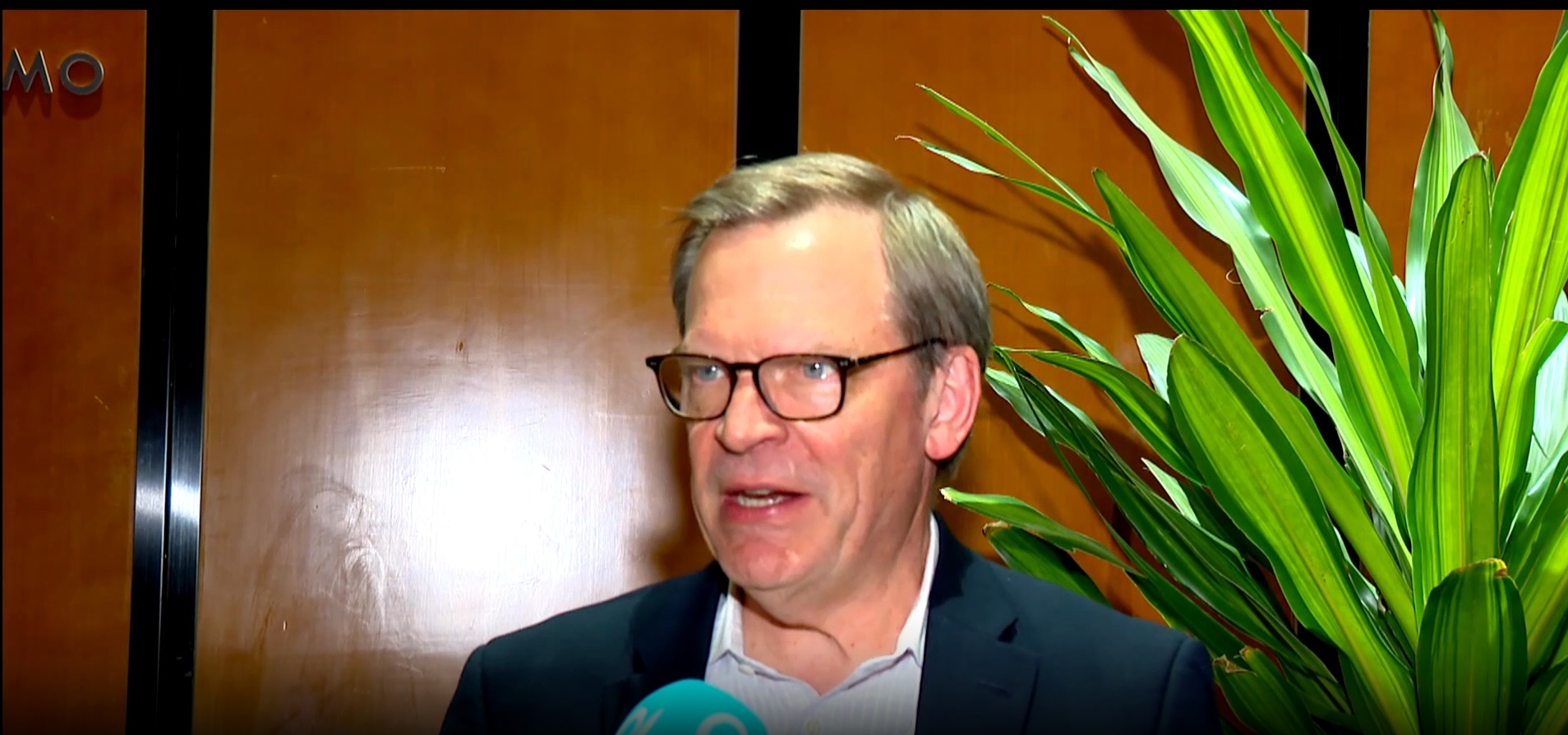
Addis Ababa, June 9, 2026 —A senior scholar from Harvard University has praised Addis Ababa’s efforts to create a child-friendly city through investments in early childhood development, green spaces, playgrounds, and family-oriented infrastructure.
In an exclusive interview with ENA, James Cairns, Senior Fellow at the Center on the Developing Child at Harvard University, lauded the Ethiopian capital’s broader urban transformation, describing it as a model that places children's development at the center of city planning.
Cairns said Addis Ababa has adopted an innovative approach by treating early childhood development as a long-term municipal investment rather than a standalone social service.
“Addis as a city has decided that this foundation for individuals and for the society is so important that the city has made an investment,” he said.
“And so, not just in a daycare or school, but in the whole being, the city becomes a place that can support healthy development for kids.”
He noted that making early childhood support a core urban priority helps connect childcare, education, public spaces, and community services to broader social and economic development goals.
Cairns also underscored the importance of accessible green spaces and recreational areas in promoting healthy childhood development.
“One of the things we know from science is that access to safe, accessible outside spaces, green space, trees, play spaces, it's really important for kids. It's important for adults too,” he said.
According to him, densely built urban environments often limit opportunities for families to interact, play, and connect with nature. He therefore welcomed Addis Ababa’s efforts to integrate green spaces and playgrounds into its wider urban development agenda.
“I think that the fact that one of the strong pillars of the early childhood initiative in the city is focusing on green space and playgrounds, and that that's integrated with the city redevelopment plan, is really important,” he stated.
Cairns further highlighted the city's corridor and river development projects, saying such initiatives can contribute significantly to children's well-being when designed with families in mind.
“How are we creating a city that is supportive of, friendly to, and designed for kids and families? That is all part of the same strategy for the city,” he said.
While acknowledging that urban transformation involves complex decisions and trade-offs, Cairns said the progress achieved so far is encouraging.
“There are always challenges. These are difficult, complex processes and situations, and you have trade-offs,” he noted.
Reflecting on changes since his previous visit three years ago, Cairns pointed to notable improvements in parental coaching programs, playground development, daycare services, pre-primary education, and school redesign initiatives.
He described the progress as “tremendous,” while emphasizing that continued efforts will be needed to fully realize Addis Ababa’s vision of becoming a city designed to support children and families.
Addis Ababa has been implementing a range of urban renewal projects in recent years, including corridor development, river rehabilitation, expansion of public parks, and the construction of child-friendly recreational facilities.
These initiatives form part of the city's broader strategy to improve livability, enhance environmental sustainability, and create inclusive public spaces that support the well-being and development of children and families.