IGAD Releases Preliminary Report on Ethiopia’s 7th General Election, Commends Peaceful Conduct and Electoral Reforms - ENA English


IGAD Releases Preliminary Report on Ethiopia’s 7th General Election, Commends Peaceful Conduct and Electoral Reforms
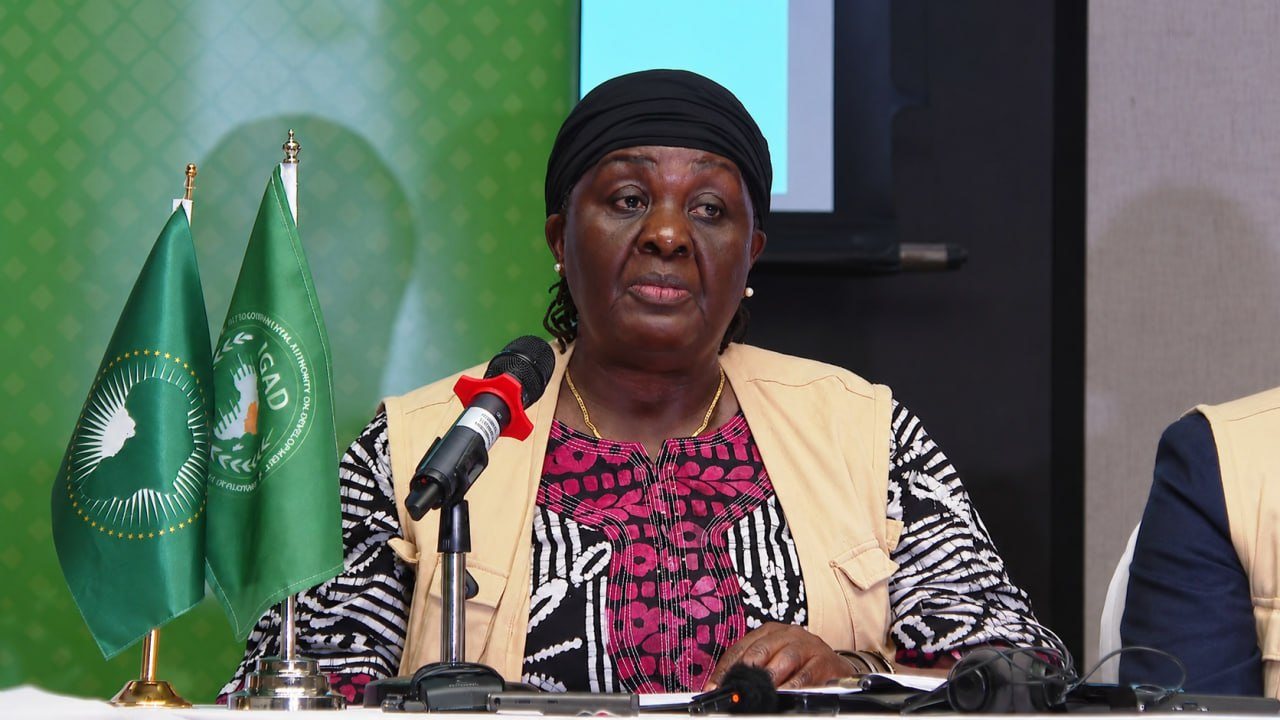
Addis Ababa, June 3, 2026—The Intergovernmental Authority on Development (IGAD) Election Observation Mission has released its preliminary report on Ethiopia’s 7th General Election, praising the country's electoral administration, technological innovations, and the peaceful participation of millions of voters.
Presenting the report, the Head of the IGAD Election Observation Mission and former Vice President of Uganda, Speciosa Wandira-Kazibwe, said the mission deployed 26 short-term observers drawn from IGAD member states, including representatives from election management bodies, women’s organizations, and youth groups.
The observers monitored the electoral process across seven regional states and city administrations and held consultations with key stakeholders, including the National Election Board of Ethiopia (NEBE), the Ethiopian Human Rights Commission, political parties, civil society organizations, and women and youth observer groups.
According to the mission, the observation was conducted in line with Ethiopia’s electoral laws, the African Charter on Democracy, Elections and Governance, the Declaration of Principles for International Election Observation, and other relevant regional and international standards.
Election Held Amid Reforms and Political Transition
IGAD noted that Ethiopia’s 7th General Election took place during a period of significant political transformation and ongoing reform efforts aimed at strengthening democratic governance, national dialogue, and peacebuilding.
The mission acknowledged that security challenges prevented elections from being conducted in some areas, including all constituencies in the Tigray region and eight constituencies in the Amhara region.
The report highlighted several recent legal and institutional reforms, including the introduction of digital voter verification systems, measures enabling former armed groups to transition into peaceful political participation, and expanded political inclusion through lowered age requirements. Citizens aged 18 and above were eligible to vote, while those aged 21 and above could contest elections.
On Registered Voters
According to IGAD, a total of 54,057,861 voters were registered for the election. Of these, approximately 5.3 million registered digitally, while more than 45 million completed registration through manual processes.
Women accounted for about 46 percent of registered voters, while men represented 54 percent.
The election was conducted in 501 of Ethiopia’s 547 constituencies through approximately 52,000 polling stations nationwide. A total of 42 political parties, including coalition formations, participated, with more than 10,000 candidates contesting seats in the House of Peoples’ Representatives, regional councils, and city administration councils.
NEBE Praised for Administrative Capacity and Innovation
The mission commended NEBE for demonstrating strong administrative and operational capacity throughout the electoral process.
According to the report, the Board recruited, trained, and deployed more than 195,000 election officials and successfully operationalized around 52,000 polling stations.
IGAD also praised the extensive voter education campaigns, stakeholder engagement efforts, and support programs provided to political parties.
Among the key innovations highlighted were digital voter and candidate registration systems, Geographic Information System (GIS)-based polling station mapping, hybrid voter registration mechanisms, and special voting arrangements for internally displaced persons (IDPs) and members of the Ethiopian National Defense Force (ENDF).
The mission particularly commended NEBE’s locally developed "Mirechaye" ("My Choice") digital voter registration platform, which enabled more than five million citizens to register online using national identification documents for the first time.
Positive Observations and Best Practices
IGAD identified several commendable practices during the electoral process.
The mission noted NEBE’s accreditation of 169 civil society organizations to conduct voter education activities nationwide, with 114 organizations receiving financial support to target women, youth, persons with disabilities, and rural communities.
The report also praised the transparent allocation of free campaign airtime through a lottery system coordinated by NEBE and the Ethiopian Media Authority. A total of 66 media outlets participated, including radio stations, television channels, newspapers, and multilingual broadcasting platforms.
Public ballot lotteries used to determine party symbols and candidate placement on ballot papers were cited as another measure that enhanced transparency and stakeholder confidence.
Regular coordination among NEBE, political parties, civil society organizations, media institutions, and security agencies was also recognized as contributing to effective electoral preparation and communication.
Long Queues Reflect Strong Voter Enthusiasm
On election day, IGAD deployed 11 observer teams across seven regional states and city administrations, monitoring polling activities at 208 urban, peri-urban, and rural polling stations.
The mission reported that polling stations generally opened on time, election materials were sufficient, and voting procedures were conducted in an orderly manner.
Observers noted exceptionally high voter turnout, with long queues forming before polling stations opened.
“I have observed elections in many countries, and I have rarely seen people arriving before 5 a.m. to wait for voting to begin,” Speciosa Wandira-Kazibwe remarked, praising the commitment shown by Ethiopian voters.
The mission also observed that polling stations prioritized elderly voters, persons with disabilities, and women with children. Many stations provided seating areas for voters waiting in line, while some communities offered refreshments, including coffee.
Women and Youth Participation
IGAD reported active participation by women and youth as polling officials, candidates, party agents, observers, and volunteers.
Organizations such as the Ethiopian Women Lawyers Association and women-led civil society groups monitored women's participation throughout the election process, while youth observers played significant roles in voter guidance and polling station management.
However, the mission noted that women remain underrepresented among candidates and in leadership positions within the electoral process, despite making up nearly half of registered voters.
Recommendations
IGAD recommended that NEBE continue expanding and institutionalizing digital electoral systems, strengthen training programs for election officials, improve voter identification procedures, and enhance cybersecurity measures to protect electoral infrastructure.
The mission also suggested reducing the number of voters assigned to each polling station to improve efficiency and voter experience.
Political parties were urged to strengthen voter outreach, promote issue-based campaigns, respect electoral outcomes, and increase women's participation through affirmative action measures.
Security agencies were encouraged to maintain professionalism and neutrality, while civil society organizations were called upon to expand voter education, election observation, and peacebuilding initiatives.
The mission further recommended that the Ethiopian government continue investing in democratic institutions, civic participation, and electoral modernization while ensuring equal access to electoral services across all regions.
IGAD Congratulates Ethiopia
In its concluding assessment, IGAD described Ethiopia’s 7th General Election as a significant milestone in the country’s democratic development.
The mission commended the Ethiopian people, the government, NEBE, political actors, civil society organizations, and security institutions for their collective efforts in ensuring a generally peaceful and orderly electoral process.
“The 7th General Election represents a notable milestone in Ethiopia’s democratic and electoral development,” the mission stated, adding that the introduction of major technological and institutional reforms has strengthened the inclusiveness, efficiency, and credibility of the electoral process.
IGAD reaffirmed its commitment to supporting Ethiopia’s democratic journey and congratulated the Ethiopian people for their strong commitment to peace, constitutional order, and democratic progress.


