Beyond the Noise: What Ethiopia’s 2026 Election Reveals About the Nation’s Future - ENA English


Beyond the Noise: What Ethiopia’s 2026 Election Reveals About the Nation’s Future
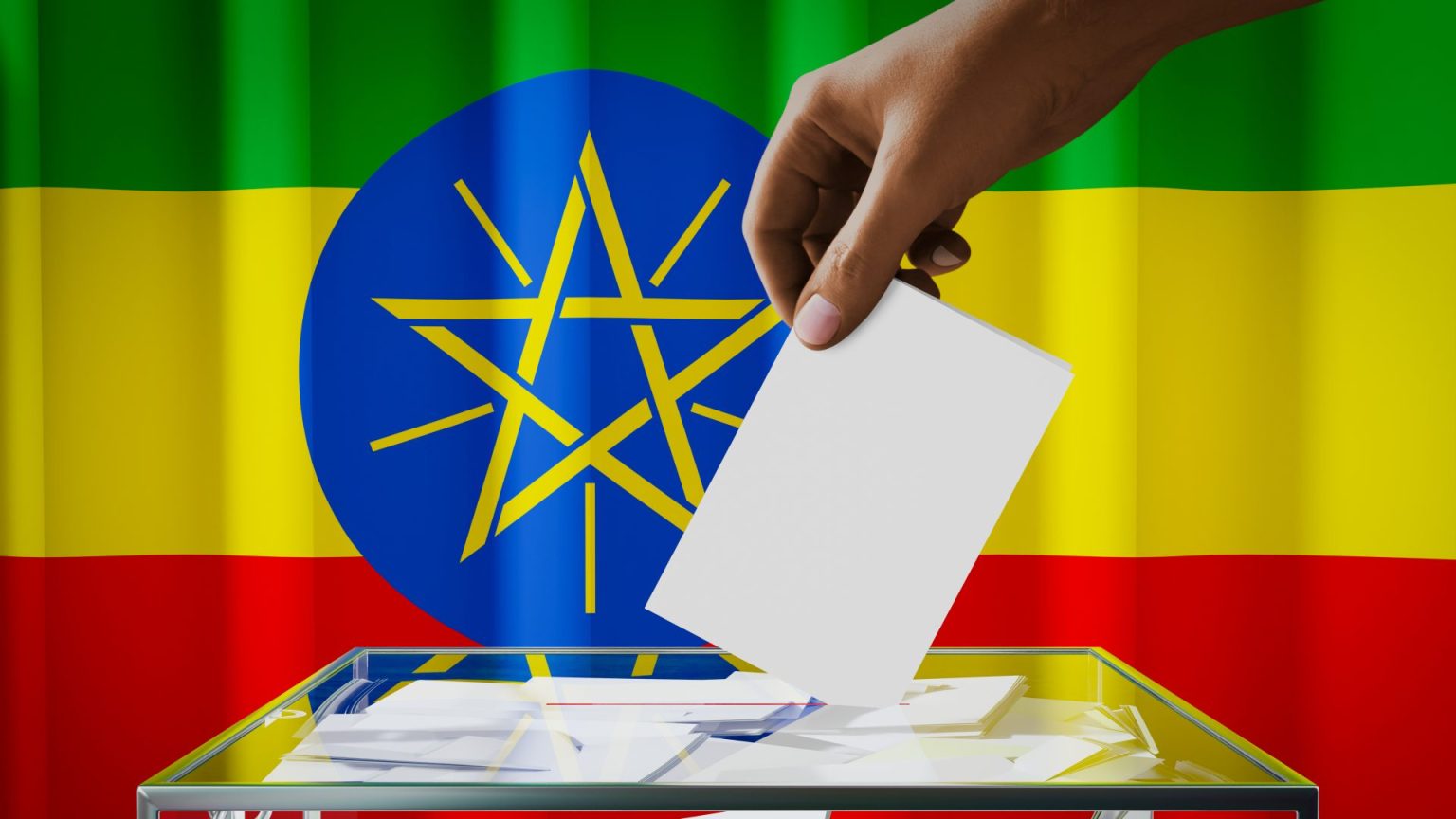
By Selamawit Getachew
As Ethiopia prepares for its seventh general election on June 1, 2026, international commentary often focuses narrowly on security challenges, neglecting the broader context and positive developments within the country.
While global conflicts, ranging from regional wars to geopolitical tensions—create a turbulent backdrop, it is important to recognize that Ethiopia is still functioning effectively despite these pressures.
Democracy should not be viewed solely as a final state that a country either “has” or “does not have,” especially when many nations facing war, censorship, and polarization still identify as democratic.
Ethiopia, in particular, is a nation building institutions in a difficult era, evidenced by its expanding electoral participation, digital systems, and administrative capacity. Recent coverage tends to emphasize conflict, restrictions, and ruling party dominance, often overstretching concerns into narratives of collapse.
However, the scale of voter registration—more than 54 million citizens, a 32% increase from 2021—and high turnout rates—historically above 80%—demonstrate a resilient civic engagement and institutional capacity. The presence of numerous political parties also indicates a pluralistic political landscape, contrary to the simplified ‘one-party’ narrative.
Ethiopia’s ongoing infrastructure projects, digital governance, and regional influence, exemplified by the Grand Ethiopian Renaissance Dam, further highlight a nation actively shaping its future. The negative narratives are partly driven by geopolitical interests, as Ethiopia’s strategic importance in the Horn of Africa attracts external scrutiny and contestation.
Despite external pressures, Ethiopia continues to build capacity and sustain its democratic processes, offering an important counterexample for Africa, where democracy is often portrayed as fragile. The 2026 election thus serves as a significant test of large-scale participation and institutional resilience, illustrating that even under internal and external strain, a country can expand civic engagement and uphold constitutional procedures.
Ultimately, Ethiopia’s experience underscores that institutional growth and democratic participation are possible in challenging environments, making its election a vital reference point for the continent’s political development.
The scale of civic and logistical mobilization demonstrates the magnitude of this national exercise. Over 54 million registered voters have claimed their democratic right across vast and geographically diverse territories. A total of 10,934 candidates are participating, forming a highly competitive field that reflects a broad spectrum of political thought.
In addition, 42 political parties and 80 independent candidates are actively vying for legislative representation. Out of the 547 total seats in the House of People’s Representatives, 501 seats are being contested, with 2,198 candidates running for federal parliament and 8,736 competing for various Regional Council positions.
These figures reflect a nation deeply committed to institutionalizing governance through the ballot box.
They represent a clear assertion that political legitimacy must derive from the consent of the governed, rejecting the notion that power can be obtained through intimidation, violence, or armed coercion.


