PM Abiy Calls for Cultural Shift in Ethiopia’s Healthcare System at Lafto Hospital Inauguration - ENA English
PM Abiy Calls for Cultural Shift in Ethiopia’s Healthcare System at Lafto Hospital Inauguration
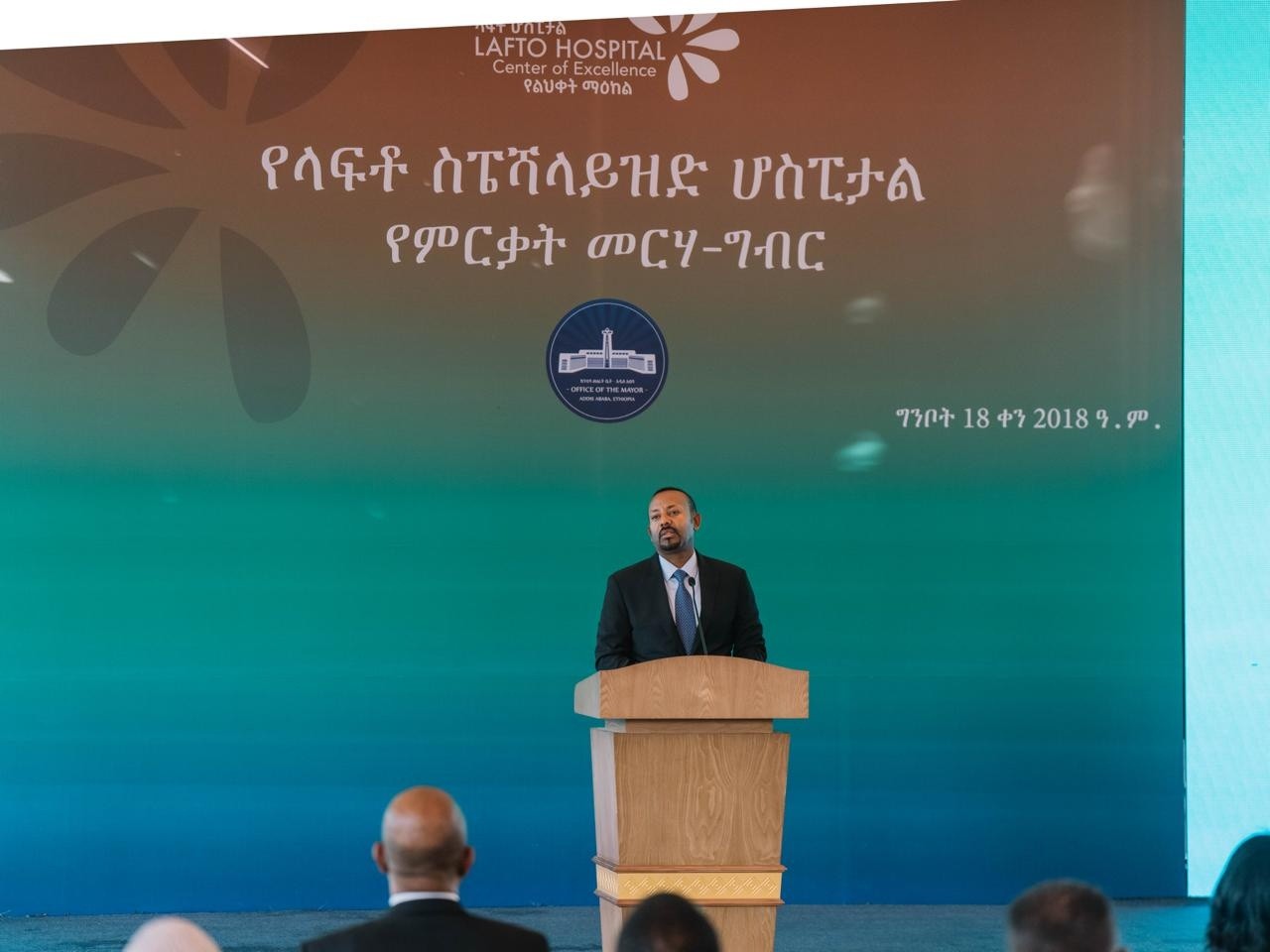
Addis Ababa, May 26, 2026 —Prime Minister Abiy Ahmed on Tuesday called for a major cultural transformation in Ethiopia’s healthcare system.
The Prime Minister stressed that building hospitals alone is not enough unless they are supported by proper maintenance, private sector participation, and compassionate, patient-centered care.
Speaking during the inauguration of Lafto Hospital, the PM Abiy reflected on the evolution of Ethiopia’s healthcare policy.
He explained that for many years the country focused heavily on preventive healthcare, but experience has shown that prevention alone cannot fully address the growing burden of serious and complex illnesses.
According to the Premier, the revised national health strategy now seeks to balance both preventive and curative healthcare, ensuring the system is capable not only of preventing disease but also of treating critical conditions once they emerge.
PM Abiy noted that health, much like peace, is often valued most during moments of crisis.
The Prime Minister stressed that true preventive healthcare goes beyond hospitals and clinics. In his view, creating a healthy society also requires cleaner cities, safer public spaces, and healthier lifestyles.
He highlighted the importance of clearing polluted rivers, expanding sports facilities, and creating accessible recreational areas where young people and the elderly can remain active and avoid harmful behaviors such as substance abuse.
Using a military analogy, PM Abiy described disease prevention as a national struggle in which nutrition serves as society’s first line of defense.
He praised Addis Ababa’s expanding student and community feeding programs, describing them as long-term investments in building a healthier and more resilient generation.
Turning to urban governance and development, the Prime Minister commended the Addis Ababa City Administration for recent progress in education, sports, and energy infrastructure. However, he emphasized that the growing demands of the healthcare sector cannot be met by government efforts alone.
A central part of his message focused on the need to expand private sector involvement in healthcare delivery.
PM Abiy noted that many skilled Ethiopian medical professionals and investors are willing to establish advanced healthcare institutions, but continue to face obstacles such as limited access to land and administrative barriers.
He urged city officials to work closely with private healthcare providers, understand their challenges directly, and remove unnecessary bottlenecks to help expand world-class medical facilities across the capital.
Addressing healthcare workers and administrators, the Prime Minister emphasized that the high standards displayed during the hospital’s inauguration should not become temporary showcases. Instead, he said, cleanliness, professionalism, and quality service must become permanent institutional practices.
More importantly, he called for a cultural shift in how patients are treated within medical institutions.
He encouraged healthcare professionals to replace rigid administrative attitudes with empathy, respect, and patient-centered care that treats every citizen equally, regardless of social or economic status.
PM Abiy also warned against complacency, pointing to Ethiopia’s growing medical presence across Africa. He noted that more than 400 African medical residents are currently receiving specialized training in Ethiopia, while many Ethiopian physicians continue to serve throughout the continent.
Despite these achievements, he cautioned leaders against becoming overly satisfied with past success.
“Complacency is a disease,” the Prime Minister said, warning that focusing too heavily on previous accomplishments can prevent institutions from moving forward and pursuing greater progress.
Built on 5.4 hectares of land, Lafto Hospital is designed to provide internationally standardized treatment for serious and specialized illnesses, including cancer, complex heart diseases, and other critical medical conditions. The facility is expected to improve access to advanced healthcare services within Ethiopia and reduce the need for patients to travel abroad for treatment.
For the Prime Minister, the hospital represents more than a healthcare project. He described it as a symbol of Ethiopia’s broader commitment to self-reliance, national development, and the continued expansion of modern specialized healthcare institutions across the country.