Ethiopia’s “Medemer” Concept Would Serve Gulf Well in Post-War Era, Says US Analyst - ENA English
Ethiopia’s “Medemer” Concept Would Serve Gulf Well in Post-War Era, Says US Analyst
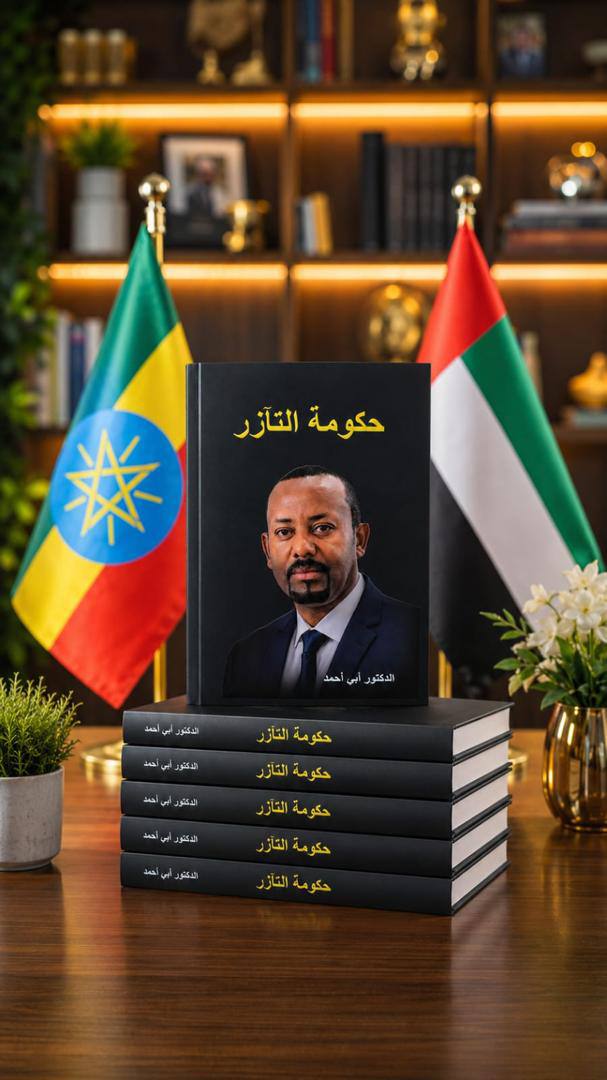
Addis Ababa, May 16, 2026 —Ethiopia’s Medemer philosophy, introduced by Prime Minister Abiy Ahmed, could offer valuable lessons for Gulf nations navigating a fragile post-war environment, according to American political analyst Andrew Korybko.
In his recent newsletter, Korybko described Medemer, loosely translated as “synergy” as a socio-political and economic philosophy aimed at preserving national unity while promoting inclusive development among Ethiopia’s diverse population.
The analyst’s opinion came shortly after the official launch of the Arabic edition of Medemer in Abu Dhabi on Thursday, an event seen as a significant step in strengthening Ethiopia’s cultural and diplomatic ties with the Arab world.
The launch ceremony, organized by the Embassy of Ethiopia in the United Arab Emirates, brought together high-ranking officials, diplomats, scholars, and members of the Ethiopian diaspora. Among those in attendance were Sheikh Shakhboot bin Nahyan Al Nahyan and Ethiopia’s Ambassador to the UAE, Jemal Beker.
According to Korybko, the recent conflict in the Gulf—referred to in his analysis as the “Third Gulf War,” has significantly reshaped regional dynamics on both sides of the strategically important waterway through which much of the world’s oil supply passes.
Although the conflict has not been officially declared over, Korybko noted that a Pakistan-mediated ceasefire has held longer than many analysts anticipated, creating cautious optimism about regional stability and opening the door for post-war recovery efforts.
“It is within this complex regional environment, marked by tensions between Iran and Gulf monarchies, as well as divisions among Gulf states themselves—that the Arabic translation of Medemer arrives at a particularly important moment,” he wrote.
Korybko emphasized that the launch of the Arabic edition in the UAE was not accidental, noting that the country remains one of Ethiopia’s key strategic partners.
He also highlighted Ethiopia’s close relations with Saudi Arabia and Iran, suggesting that leaders in both countries may take interest in the philosophy now that it is accessible in Arabic.
While he acknowledged that Ethiopia is unlikely to directly mediate disputes between Iran and Gulf states or between Saudi Arabia and the UAE, Korybko argued that the principles of Medemer could still inspire regional cooperation.
“Realistically speaking, Ethiopia will not mediate between Iran and the Gulf kingdoms,” he said. “However, Medemer's teachings could contribute to the post-war era by encouraging dialogue on a regional non-aggression pact and eventually a broader collective security framework.”
The analyst also acknowledged Ethiopia’s own internal challenges, including unresolved ethnic and regional tensions, but said the country’s progress under the philosophy demonstrates that even deeply rooted conflicts can be addressed.
“If the federal government and groups that have fought against it for years can move toward reconciliation, then Gulf nations can also pursue peace based on shared economic and security interests,” he added.
Korybko concluded by cautioning against overstating the immediate impact of Medemer on Gulf politics but stressed that the Arabic translation could still play a meaningful role in promoting dialogue.
“Through sustained diplomatic and intellectual engagement, Ethiopia can help ensure regional leaders understand the core principles of Medemer,” he wrote. “That could ultimately contribute to lasting peace and mutual development in the region.”