Africa Moves to Create Credit Rating Agency to Counter Global Rating Bias, Says AU Commission - ENA English


Africa Moves to Create Credit Rating Agency to Counter Global Rating Bias, Says AU Commission
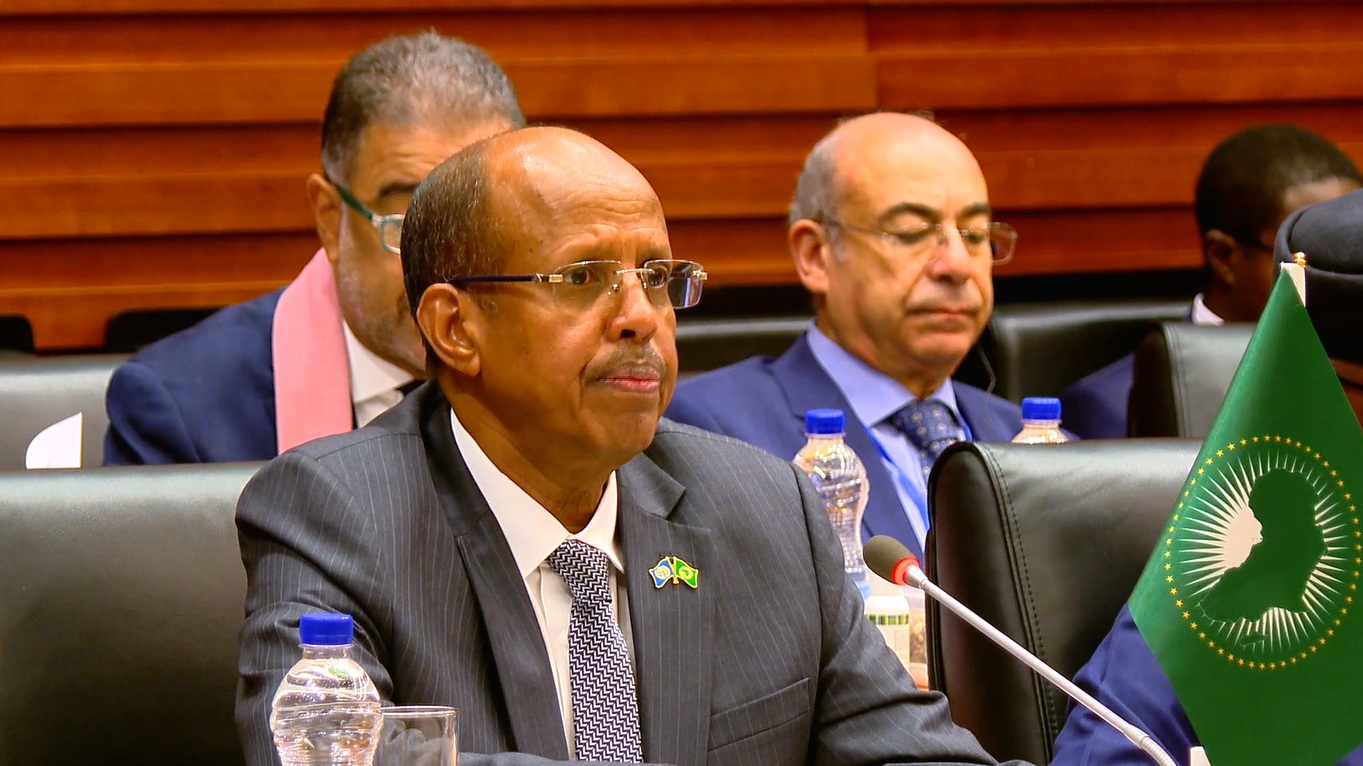
Addis Ababa, May 13, 2026 —Africa is advancing plans to establish a continental credit rating institution aimed at addressing long-standing concerns over perceived biases in global rating systems, according to the African Union Commission.
The Chairperson of the African Union Commission, Mahamoud Ali Youssouf, said the continent is preparing to launch the Africa Credit Rating Agency (AfCRA) in Mauritius in June as part of broader efforts to reform the global financial architecture and improve Africa’s access to international capital markets.
Speaking at the 10th African Union–United Nations Annual Conference, Youssouf said existing international financial institutions, largely designed after the Second World War—no longer fully reflect Africa’s economic realities, development priorities, and financing needs.
The proposed Africa Credit Rating Agency is expected to operate as an independent, private-sector-led institution under African Union backing.
It will focus on providing context-sensitive credit assessments for African sovereign, sub-sovereign, and corporate borrowers.
Officials say the initiative is intended to strengthen local capital markets, improve investor confidence, and potentially reduce borrowing costs across the continent.
Youssouf confirmed that the agency is expected to be formally launched in June in Mauritius, describing it as a key milestone in Africa’s push for financial sovereignty and reform of global credit rating structures.
He said the initiative aligns with broader continental priorities, including the implementation of Agenda 2063 and the United Nations Sustainable Development Goals.
During the conference, discussions also focused on peace and security, governance challenges, and the impact of global economic shifts on African economies.
Youssouf expressed concern over ongoing conflicts in regions including Somalia, South Sudan, and the Sahel, warning that terrorism, separatist movements, and organized crime continue to undermine stability across the continent.
He also highlighted delays in implementing UN Security Council Resolution 2719, saying they have limited Africa’s capacity to finance peacekeeping and conflict resolution operations.
“Peacekeeping and conflict resolution is very costly,” he noted.
On the economic front, Youssouf warned that rising global food and fuel prices—driven in part by geopolitical tensions in the Middle East—are placing significant pressure on African economies.
Citing preliminary assessments prepared with the United Nations Economic Commission for Africa, he said fuel prices have surged by up to 150 percent in some countries.
He added that prolonged instability in strategic shipping routes such as the Strait of Hormuz could reduce GDP in several African economies by as much as 4 percent.
Youssouf urged G7 nations to support mitigation measures for vulnerable economies, including mechanisms similar to the Special Drawing Rights introduced during the COVID-19 pandemic.
He also praised cooperation between the African Union and the United Nations, thanking UN Secretary-General António Guterres for supporting Africa’s development and peace priorities.
Concluding his remarks, Youssouf reaffirmed Africa’s commitment to multilateral cooperation and called for stronger global partnerships to address the continent’s interconnected peace, security, and development challenges.


