Ethiopia’s Push for Red Sea Access Economic Necessity, Not Call for War: Israeli Conflict Resolution Expert - ENA English
Ethiopia’s Push for Red Sea Access Economic Necessity, Not Call for War: Israeli Conflict Resolution Expert
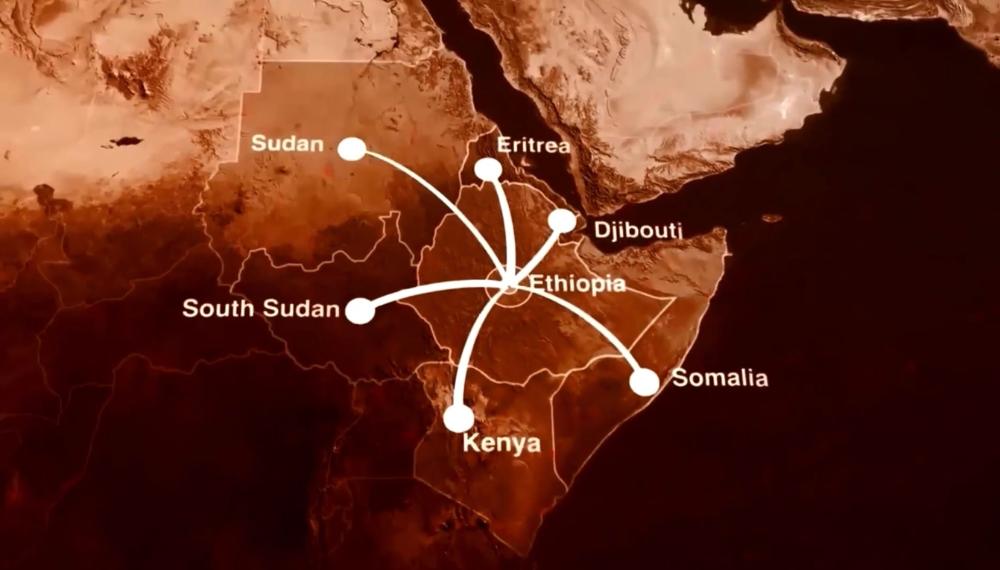
Addis Ababa, May 12, 2026 — "Ethiopia’s push for Red Sea access reflects economic necessity, not a call for war," Shmuel Legesse, an Israeli conflict resolution expert wrote on Jerusalem Post.
In an opinion piece the conflict resolution expert wrote under the title: "The Red Sea, Assab, and the Possibility of a Reimagined Horn of Africa," he emphasizes that Ethiopia’s pursuit of sea access via the port of Assab is rooted in economic necessity and strategic survival, rather than military expansionism.
Historically, the expert elaborated that Assab was not simply adjacent territory. It was deeply integrated into Ethiopia’s national economic infrastructure.
"During the late nineteenth century, under Emperor Menelik II, Ethiopia pursued modernization and international engagement that relied heavily on secure maritime corridors."
He noted that "although Italian colonial interventions later complicated territorial administration, Ethiopia’s long-standing political and practical connection to Red Sea access remained central to its state development.
"Assab served for decades as one of Ethiopia’s principal maritime lifelines, essential for trade, security, and national growth."
From a legal perspective, he explained that "Eritrea’s internationally recognized sovereignty since 1993 must be acknowledged. International law recognizes the outcome of Eritrea’s independence referendum and the formal political separation that followed."
However, Legesse stressed that "international law is not static, nor does it prohibit negotiated frameworks that adapt to evolving regional necessities."
Around the world, strategic ports, corridors, and transit zones have been governed through long-term lease agreements, shared sovereignty models, economic unions, and international treaties designed to preserve peace while meeting practical geopolitical realities.
This means, he said "Ethiopia’s maritime future need not depend solely on rigid interpretations of current borders, nor on military confrontation. It can and should be pursued through lawful diplomacy, negotiated access, regional confederation models, or shared governance arrangements."
For Legesse, an author of a forthcoming book "Moral Diplomacy for a Broken World", access to the sea is not a luxury for Ethiopia. It is a strategic necessity.
The Israeli expert stressed that “no major nation of Ethiopia’s demographic scale and regional significance can sustainably depend indefinitely on neighboring governments for maritime sovereignty without risking long term strategic instability.”
He identified Assab as a historically significant port for Ethiopia.
While recognizing Eritrea’s sovereignty following independence in 1993, Legesse said international law allows negotiated arrangements that can address evolving regional realities, including long term leasing agreements or shared port administration models.
He further proposed broader regional cooperation frameworks, including economic confederations, joint maritime development projects, and potential federal arrangements involving Somaliland.
“The future, therefore, requires bold but peaceful imagination,” he wrote. “Rather than viewing Ethiopia and Eritrea as permanently estranged, regional leaders should consider broader possibilities.”
Legesse called on Western powers to support peaceful regional initiatives aimed at safeguarding Red Sea trade routes and strengthening regional security.
“Ethiopia’s lawful pursuit of meaningful Red Sea access is not merely a national issue,” he noted. “It is a matter of broader international strategic importance.”
In conclusion, the conflict resolution expert emphasized the enduring historical bonds between Ethiopians and Eritreans.
According to Legesse, generations of social and cultural integration continue to shape the perceptions of many Ethiopians and Eritreans despite political separation.
“Even now, many Ethiopians continue to view Eritreans not as permanent outsiders, but as deeply connected kin whose separation was political, not civilizational,” he stated. “Borders may divide governments, but they do not erase generations of shared identity.”