Ethiopia Hosts Pan-African Finance Forum to Confront Mounting Debt Pressures - ENA English
Ethiopia Hosts Pan-African Finance Forum to Confront Mounting Debt Pressures
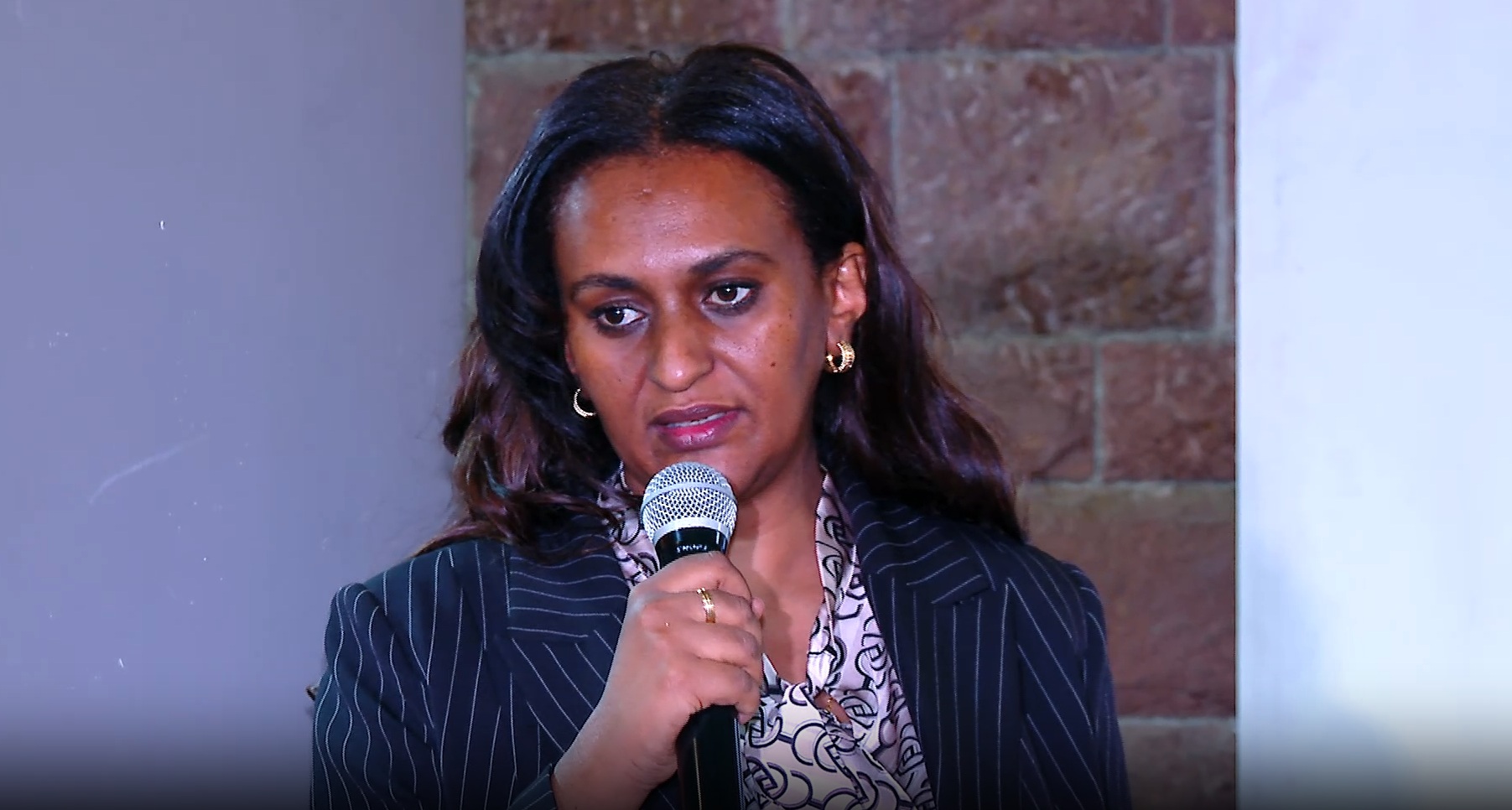
Addis Ababa, May 6, 2026 (ENA) — Ethiopia has launched the Second African Forum on Sovereign Finance, bringing together top policymakers and financial leaders to address rising debt vulnerabilities and tightening fiscal space across the continent.
The three-day gathering, held in Addis Ababa, has convened representatives from finance ministries, debt management offices, multilateral institutions, credit rating agencies and institutional investors under the theme “Enhancing Fiscal Space and Debt Sustainability.”
The forum is jointly organized by the United Nations Economic Commission for Africa (UNECA) and FSD Africa.
Opening the session, State Minister Semereta Sewasew cautioned that successive global shocks have deepened fiscal pressures across African economies. She noted that external financial buffers have steadily eroded, with foreign exchange reserves relative to external debt declining sharply over the past decade.
“Debt management is no longer a technical function at the margins of government, it is now central to macroeconomic stability, development strategy and policy credibility,” she said.
She added, “Successive global shocks, from the pandemic to geopolitical conflicts, have fundamentally reshaped the sovereign financing environment for African economies. Borrowing costs have increased, exchange rate pressures have intensified and fiscal buffers have weakened.”
Highlighting Ethiopia’s reform trajectory following the approval of its International Monetary Fund program in July 2024, Semereta pointed to progress in exchange rate liberalization, domestic revenue mobilization and fiscal transparency.
“The results are encouraging: inflation is moderating, exports are expanding, reserves are rebuilding, fiscal space is improving and growth remains strong,” she said, adding that Ethiopia secured 3.5 billion US dollars in debt relief under the G20 Common Framework.
She called for coordinated action to reduce borrowing costs, strengthen domestic capital markets and scale up concessional financing.
Executive Secretary of the UNECA, Claver Gatete, described the forum as a platform for urgent and sustained reform.
“As we speak, growth is slowing, financial conditions are tightening and uncertainty is no longer episodic but persistent,” he said.
“These global shifts are already transmitting directly into African economies, shaping fiscal space, constraining policy choices and raising the cost of capital at a time when investment is most needed.”
Despite mounting pressures, he pointed to signs of resilience.
“Growth in the IMF sub–Saharan Africa region has recovered to 3.5 percent this year and is projected to increase further to 4 percent next year. This is Africa’s moment of momentum, but that momentum is threatened by our debt burden,” he warned.
Chief Executive Officer of FSD Africa, Mark Napier, highlighted the links between debt, climate finance and market reforms.
“I hope that we can use this opportunity, and I’m glad there was reference to COP32 and Ethiopia’s role in that, to advance climate finance as well,” he said.
He added, “The connection between sovereign debt and climate, and sovereign debt and domestic capital market reform, are part of an interconnected system, and we should think about how that all comes together.”
Delegates are expected to conclude the forum with concrete strategies aimed at unlocking private investment and expanding fiscal space to support sustainable development across Africa.