Conference Explores Pathways to Build Resilient Education Systems - ENA English
Conference Explores Pathways to Build Resilient Education Systems
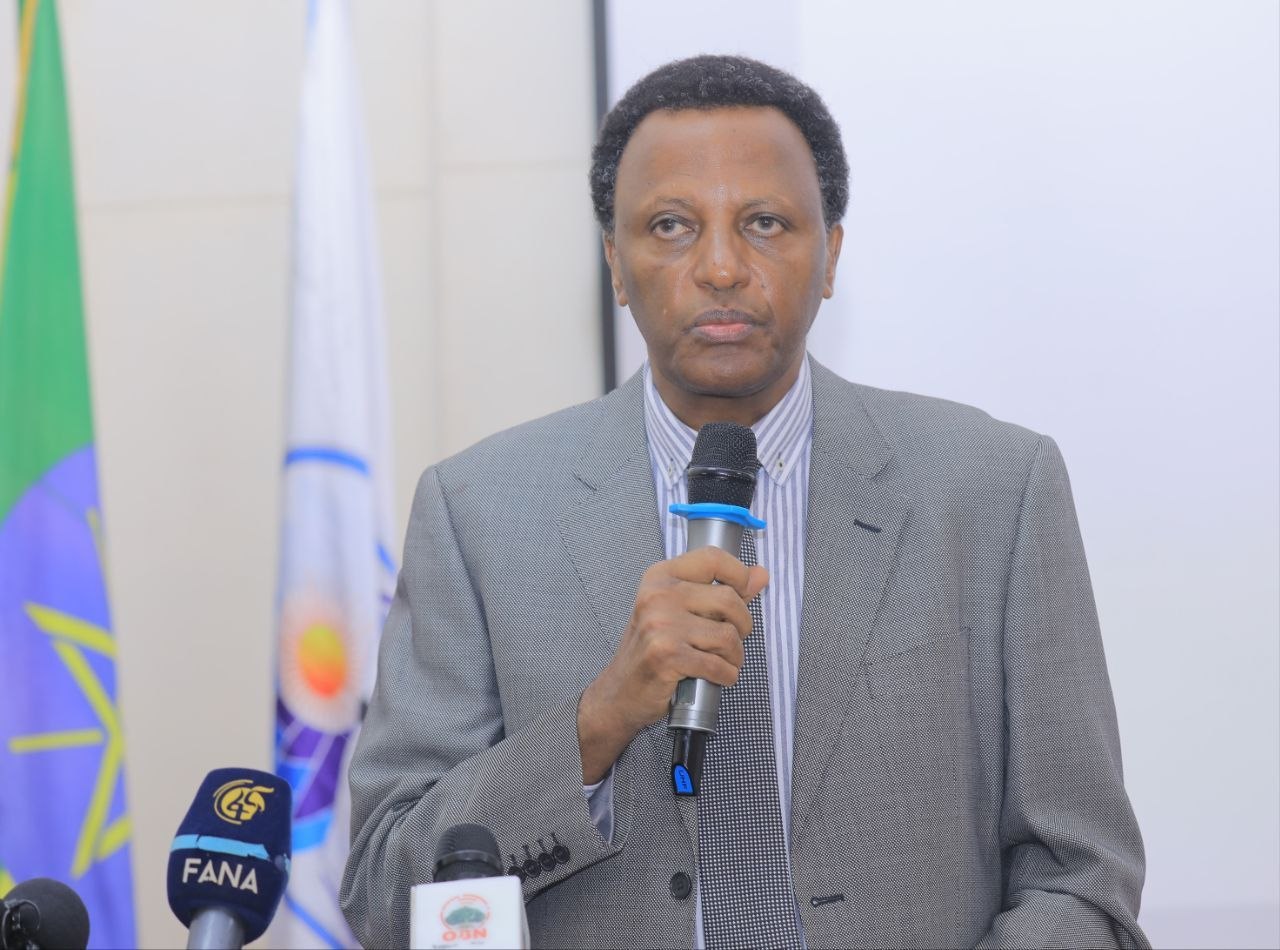
Addis Ababa, April 29, 2026 — Participants at an international conference have called for urgent and innovative measures to build resilient education systems capable of sustaining learning during emergencies while ensuring equitable access and quality.
The 4th International Research Conference on “Education in Emergencies in the Digital Era: Opportunities, Pitfalls, and Prospects,” organized by Kotebe University of Education, is currently underway in Addis Ababa, bringing together local and international researchers.
The two-day conference aims to assess progress made, identify existing gaps, and propose forward looking solutions to strengthen education systems in times of crisis.
In his opening keynotes, President of Kotebe University of Education Teshome Nekatibeb stressed that building resilient education systems is no longer optional.
He further noted that building resilient education systems is mandatory, especially to mitigate during emergencies.
“When education stops due to an emergency, the consequences flow outward for generations,” he noted, adding that vulnerable groups including girls, children with disabilities, and those in remote areas are disproportionately affected.
Teshome further observed that recurring global crises continue to test education systems. “Natural disasters destroy schools, pandemics close classrooms for months, and economic shocks force students out of learning,” he said.
He emphasized that resilience goes beyond recovery. “It is not just about bouncing back, it is about anticipating disruption and designing systems that stretch rather than fracture,” he explained.
The president also highlighted the need for inclusive policies and community driven solutions. “Education requires policies that prioritize equity when resources are scarce, and communities that can sustain learning even when formal structures weaken,” he said, describing the conference as “a call to action.”
Presenting his research, a Swedish Professor Vinayagum Chinapah underscored the role of digital transformation in addressing educational disruptions. His presentation titled “Digitalization of Education for All and COVID 19 Impacts on Education: A Blessing in Disguise” examined global evidence from online surveys.
“The conference opens up possibilities to analyze and rethink how education can be delivered under uncertain conditions,” he said, noting that the future remains unpredictable both globally and in Africa.
He recommended the use of technology to ensure continuity of learning. “Leveraging digital tools, mobile technology, and strengthening leadership capacity can help sustain and improve education during emergencies,” he stated.
Chinapah also highlighted the importance of partnerships. “There is a need to build bridges between private technology companies and the education sector to foster collaboration and innovation,” he said.
The conference is expected to generate practical recommendations to enhance resilience, inclusivity, and adaptability in education systems facing increasing global uncertainties.