Tremendous Achievements Registered in Social Sector: Ministers - ENA English
Tremendous Achievements Registered in Social Sector: Ministers
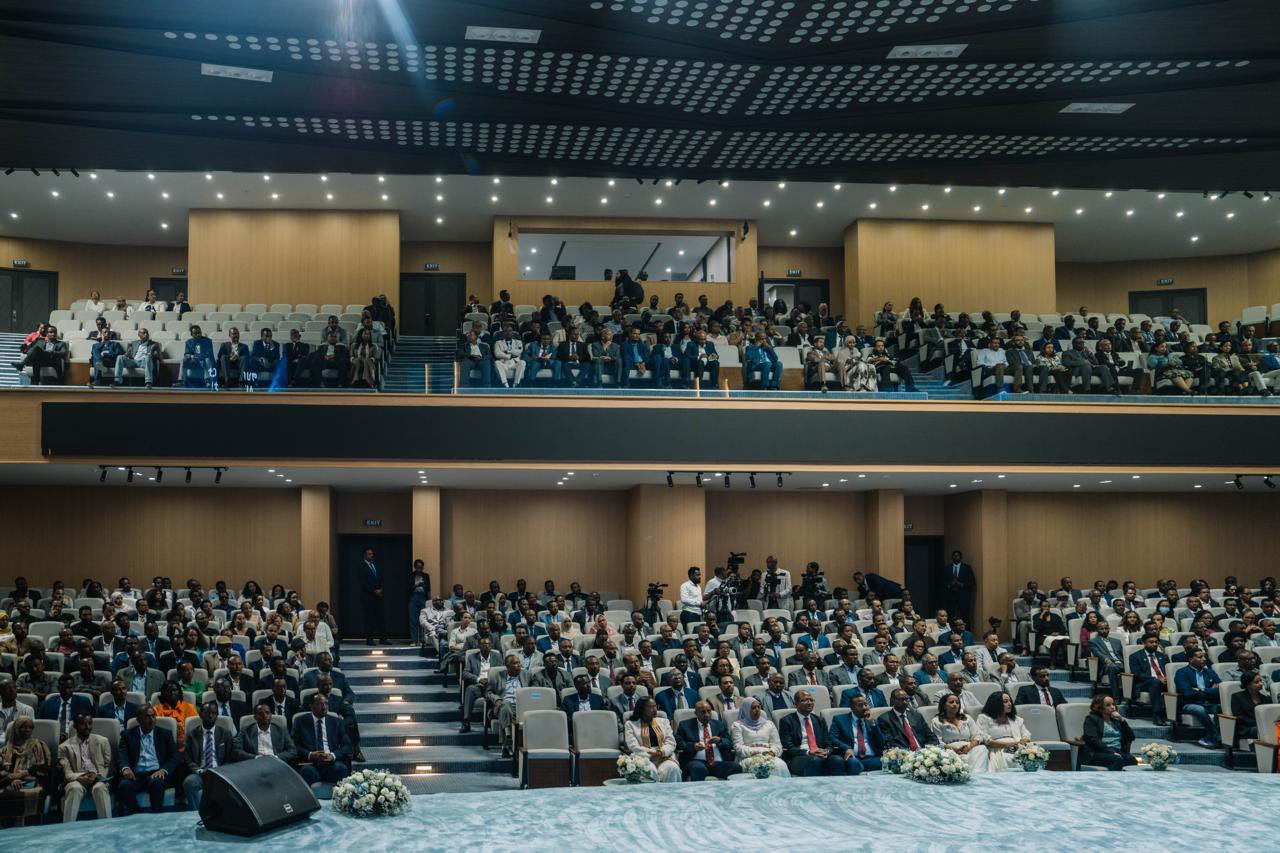
Addis Ababa, April 28, 2026 —Ethiopia has recorded tremendous achievements across education, health, job creation, and women and youth empowerment, as well as culture and sports over the last eight years of the reform period, the respective ministers reported at the high-level consultative forum underway in the presence of Prime Minister Abiy Ahmed.
Presenting the gains in the education sector, Education Minister Professor Berhanu Nega recalled the severe challenges the sector faced prior to the reform. Those included weak infrastructure and resources, imbalances in student-teacher and student-class ratios, shortages of qualified teachers, limited curriculum relevance, and difficulties related to textbook accessibility—along with issues of inequality and erosion of the sector’s integrity.
He said reforms were therefore undertaken based on assessments of needs and challenges, including curriculum development and implementation, book publishing, distribution and improved accessibility, teacher and educational leadership training, expansion of pre-primary education, and efforts to raise school standards.
Educational reforms also included changes in higher education institutions, expansion of ICT and digital education, improvements in national examination preparation and administration, and measures aimed at enhancing the quality of education and training, the Minister added.
With regard to the health sector, Health Minister Dr. Mekdes Daba said the ministry has achieved major progress by identifying the gaps before the reform period, and by reviewing the existing 30-year-old health policy.
She said the reforms emphasized prevention, strengthened policy leadership, supported institution-building, improved health infrastructure, and expanded the supply and control of medicines, vaccines and medical supplies.
Dr. Mekdes also highlighted improvements in health financing, along with advances in epidemic prevention and control, primary health care, and training efforts to increase the number of health professionals.
She further cited digital health initiatives and various charitable works as leading achievements.
The Minister added that Ethiopia made notable progress in health diplomacy, including being selected as the first African country to lead negotiations and talks in multiple international forums.
For her part, Women and Social Affairs Minister Ergogie Tesfaye presented achievements of the ministry during the stated period, stating that the sector identified major gaps and provided prompt solutions.
Key accomplishments of the ministry include efforts to protect citizens’ rights through policy and legal frameworks, support economic benefits by strengthening organizations and recognizing rights and obligations, and fostering a culture of assisting vulnerable citizens.
The reform has delivered tangible impacts in supporting economic participation for over 4.3 million youth and close to 27 million women, the Minister said.
She also noted the progress in political participation of women and youth and improvement of access to social services, including support to citizens affected by natural and man-made disasters, people lifted from the streets, and persons with disabilities receiving rehabilitation services.
Labor and Skills Minister, Muferihat Kamil, emphasized Ethiopia’s progress in labor and skills development, describing it as an effort to position the country as a destination for skilled labor and secure employment opportunities.
The reform period has enabled the creation of job opportunities about 20 million citizens through domestic and foreign job placements, as well as work opportunities citizens perform at home and while on the move.
The Minister credited the results to initiatives such as building entrepreneurial institutions, expanding partnerships with domestic and foreign organizations, developing centers of excellence, and advancing digitalization and ICT-based support systems.
Culture and Sports Minister, Shewit Shanka, said the reform addressed prior shortcomings including lack of attention to public celebrations, failure to apply traditional justice and judicial systems, issues of inclusivity, and insufficient use of cultural values to promote unity.
The reform government has created a platform for change, including recognizing and celebrating 83 festivals, building 36 new cultural centers, establishing a digital heritage information management system, implementing a culture and multilingual policy, and adding more internationally recognized intangible cultural heritage.
She also reported the construction of libraries and expansion of reading services, organization of professional associations, use of culture for diplomatic success, and building of 17,636 new stadiums.
The high-level consultative forum organized under the theme “Social Development for Nation Building” commenced today.