Climate Action Anchors Ethiopia’s Development Vision: Ministry of Finance - ENA English


Climate Action Anchors Ethiopia’s Development Vision: Ministry of Finance
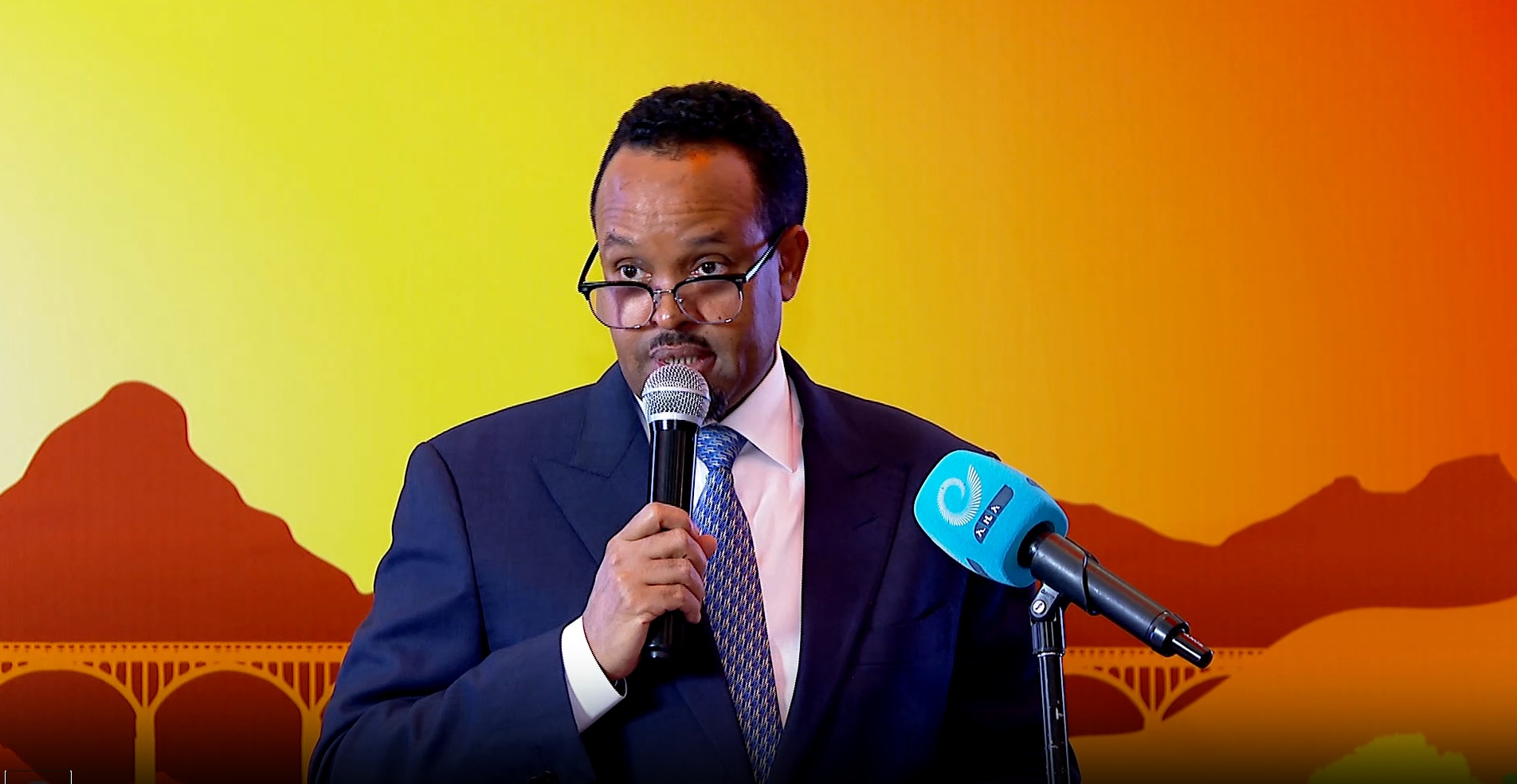
Addis Ababa, April 27, 2026 — The Ministry of Finance affirmed that Ethiopia’s climate action, a strategy linking clean energy expansion, economic transformation, resilience building, and environmental protection, is an indispensable move in achieving the country’s development vision.
Finance Minister Ahmed Shide made this remark at the Climate Investment Funds (CIF) Global Knowledge Exchange Forum, which drew participants from 27 partner countries and development institutions to share practical experiences in advancing climate action.
In his opening speech, Ahmed stressed that the gathering provides a platform for countries and partners to exchange lessons across key areas including energy, resilience, and ecosystem restoration.
“The forum is crucial in connecting countries and partners to share experience on climate action,” he said.
He noted that Ethiopia’s climate agenda is fully embedded in its broader development framework, with priorities spanning water security, landscape restoration, biodiversity protection, and strengthening resilience for communities and the wider economy.
Highlighting the progress in Addis Ababa, the minister pointed to ongoing improvements in public spaces, transport planning, and climate-smart urban development.
He further noted that these efforts aim to make growth more livable and environmentally sustainable, rather than narrowly focused on economic expansion.
Ahmed also described the role of the CIF as a key partner in advancing Ethiopia’s priorities, including energy access, resilience, and nature-based solutions.
According to the minister, the importance of coordinated investment and concessional finance in mobilizing large-scale resources for transformative development.
“Ethiopia is ready to share its experience,” he said, citing lessons from climate-resilient agriculture and national land-use planning, while also expressing openness to learning from other countries.
Tariye Gbadegesin, Chief Executive Officer of the CIF, on her part, highlighted Ethiopia’s climate leadership, including ambitious low-carbon targets and its role in convening continental dialogue such as the African Climate Summit.
She pointed to flagship initiatives like Ethiopia’s Green Legacy Initiative (GLI), which aims to plant billions of seedlings, as well as progress in expanding renewable energy.
Gbadegesin further elaborated that preparations toward hosting COP32 are expected to further strengthen climate action momentum.
Describing the partnership as fairly deep, she noted CIF support focuses on expanding clean energy access, enhancing resilience, and helping vulnerable communities manage climate shocks.
“Our goal is to help countries translate climate ambition into investment strategies that can attract long-term, bankable finance,” she added.
She further noted that CIF operates at the intersection of climate and economic growth, linking policy, technical support, and regulatory frameworks across sectors such as infrastructure and agriculture.
Similarly, Alex Mubiru, Director General for East Africa at the African Development Bank Group, emphasized the growing collaboration between the bank and CIF to support African countries in turning climate challenges into opportunities for growth.
Mubiru said the continent is increasingly demonstrating how resilience can drive innovation, strengthen economies, and safeguard communities.
“Through the Accelerating Resilience Investments and Innovations for Sustainable Economies, we are building on this longstanding partnership to support African-led solutions that accelerate sustainable prosperity across the continent,” he said.


