US–Iran Talks Resume in Pakistan as Strait of Hormuz Standoff Raises Stakes - ENA English
US–Iran Talks Resume in Pakistan as Strait of Hormuz Standoff Raises Stakes
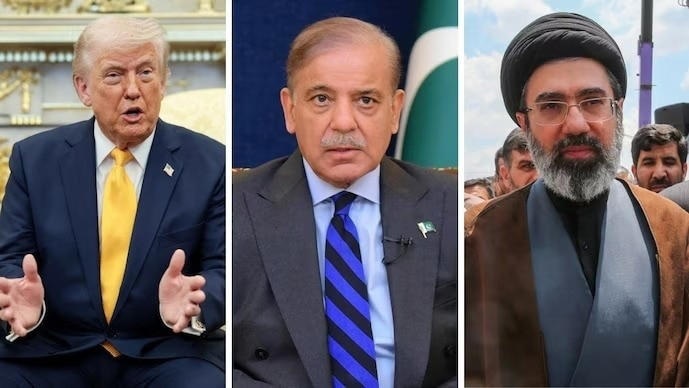
Addis Ababa, April 19, 2026 (ENA) —Negotiators from the United States are set to travel to Pakistan on Monday for a new round of talks with Iran, in what could be a critical effort to extend a fragile ceasefire due to expire by Wednesday even.
The announcement by US President Donald Trump comes amid heightened tensions over control of the strategically vital Strait of Hormuz.
While Tehran has not formally confirmed the meeting, senior Iranian official Mohammed Bagher Qalibaf signaled cautious openness, stating that diplomacy remains on the table despite “significant gaps” between the two sides.
The US delegation will reportedly be led by Vice President JD Vance, joined by envoys Steve Witkoff and Jared Kushner, following an initial round of rare face-to-face discussions last weekend.
Meanwhile, Islamabad has begun ramping up security preparations.
Pakistani officials, including Foreign Minister Ishaq Dar, have positioned the country as a mediator, aiming to “bridge differences” between Washington and Tehran.
Dar confirmed he has been in contact with Iran’s Foreign Minister, Abbas Araghchi.
Core Disputes Remain Unresolved
Despite renewed diplomatic efforts, major sticking points persist. These include Iran’s nuclear enrichment program, its regional alliances, and control over the Strait of Hormuz — a chokepoint through which roughly one-fifth of global oil supply typically flows.
Recent developments suggest little movement toward compromise. Iran acknowledged receiving new US proposals but gave no indication of a shift in its stance.
At the same time, rhetoric from Washington has intensified.
President Trump reiterated threats targeting Iranian infrastructure if no agreement is reached, drawing international concern and criticism over the potential humanitarian and legal implications.
Shipping Crisis Deepens
The situation in the Strait of Hormuz continues to deteriorate.
Commercial shipping remains severely disrupted due to overlapping measures: Iranian threats to restrict passage and a US-led blockade targeting vessels linked to Iranian ports.
Iranian officials have taken a firm position. Qalibaf stated it would be “impossible” for other nations to use the waterway while Iran itself remains restricted.
Tensions escalated further after Iranian forces reportedly fired on two India-flagged merchant ships, forcing them to retreat. The incident prompted a diplomatic protest from India, underscoring the growing international fallout.
High Stakes for Both Sides
For Iran, restricting access to the strait represents a powerful lever, one that exerts pressure on global energy markets and, by extension, the United States and its allies.
For Washington, maintaining the blockade is seen as a way to tighten economic pressure on Tehran.
The broader conflict, now entering its eighth week, has already had a significant human cost. Thousands have been killed across Iran, Lebanon, Israel, and neighboring regions, with military and civilian casualties continuing to rise.
A Window for Diplomacy
With the ceasefire deadline approaching, the upcoming talks in Pakistan may represent one of the last opportunities to prevent further escalation. However, given the entrenched positions on both sides and the volatile situation on the ground, expectations remain cautious.
Whether diplomacy can outpace confrontation will likely determine not only the fate of the ceasefire, but also the stability of a region central to global energy and security.