Ethiopia’s Agricultural Transformation Sets Benchmark for Africa, Says AUC - ENA English
Ethiopia’s Agricultural Transformation Sets Benchmark for Africa, Says AUC
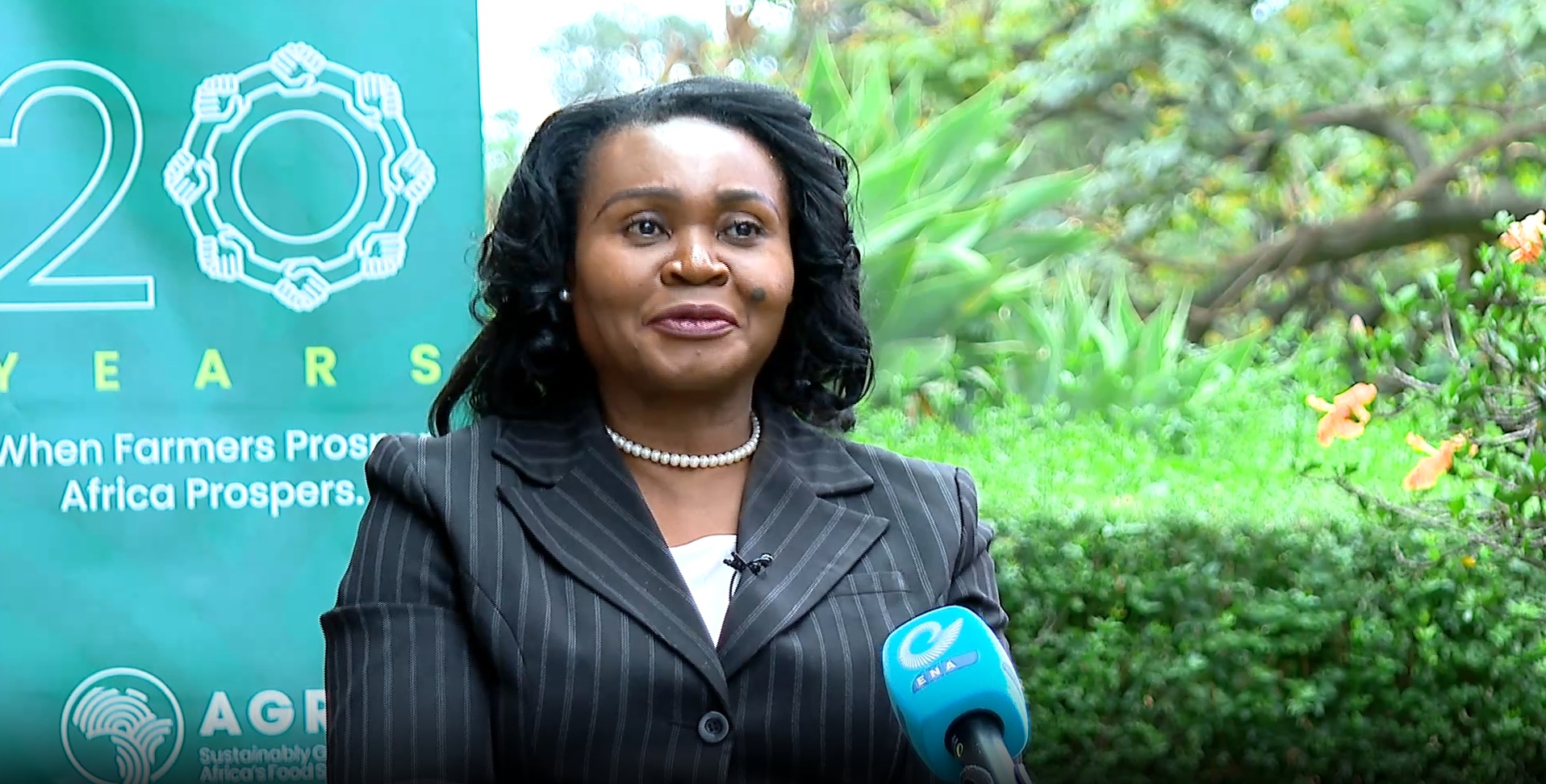
Addis Ababa, April 15, 2026 (ENA) —The African Union Commission has underscored that Ethiopia’s agricultural transformation offers a practical model for other African countries striving to enhance food security and boost productivity.
Janet Edeme, Head of Rural Development and Agriculture, Food and Security Division at AUC ,said Ethiopia’s progress demonstrates how coordinated policies and system wide reforms can deliver tangible results across the agricultural sector.
In an exclusive interview with ENA, she noted that Ethiopia has significantly increased agricultural production and productivity, particularly in wheat cultivation, while also recording notable gains across key value chains such as coffee and livestock.
She explained that her department is working closely with partners, including the Alliance for a Green Revolution in Africa, to advance the continent’s agri food systems agenda through policy development and institutional strengthening.
Ethiopia has shown that it can be done once the systems are put in place,” she said, adding the country does not operate in a fragmented manner; it has aligned policies, research, and extension services that have driven transformation.
Edeme added that Ethiopia’s experience highlights the impact of systemic reform in boosting food production while improving farmers’ livelihoods.
In contrast, she observed that many African countries continue to face fragmented institutional frameworks with limited coordination among sectors.
She emphasized that reliance on rain fed agriculture remains a major constraint across the continent.
“Ethiopia’s agricultural activities are impressive, because for decades, we have been informing African countries that the need to depend on rain fed agriculture will not make us self-sufficient,” she said.
“We can’t depend on rain fed agriculture for long. Ethiopia’s shift toward irrigation, enabling production during both rainy and dry seasons, supported by mechanization, is a model we have consistently advocated to our member states and policymakers.”
Highlighting the growing challenges posed by climate change, Edeme stressed that unpredictable rainfall patterns, ranging from excessive rains to prolonged droughts, make it imperative for countries to adopt resilient agricultural systems.
“We cannot depend on nature alone to achieve full self-sufficiency,” she said, adding, “Ethiopia’s efforts to expand mechanization, strengthen irrigation, and ensure year-round cultivation are commendable, and we expect other member states to emulate these practices.”