Addis Ababa Advances Urban Farming from Household Use to Market Surplus - ENA English
Addis Ababa Advances Urban Farming from Household Use to Market Surplus
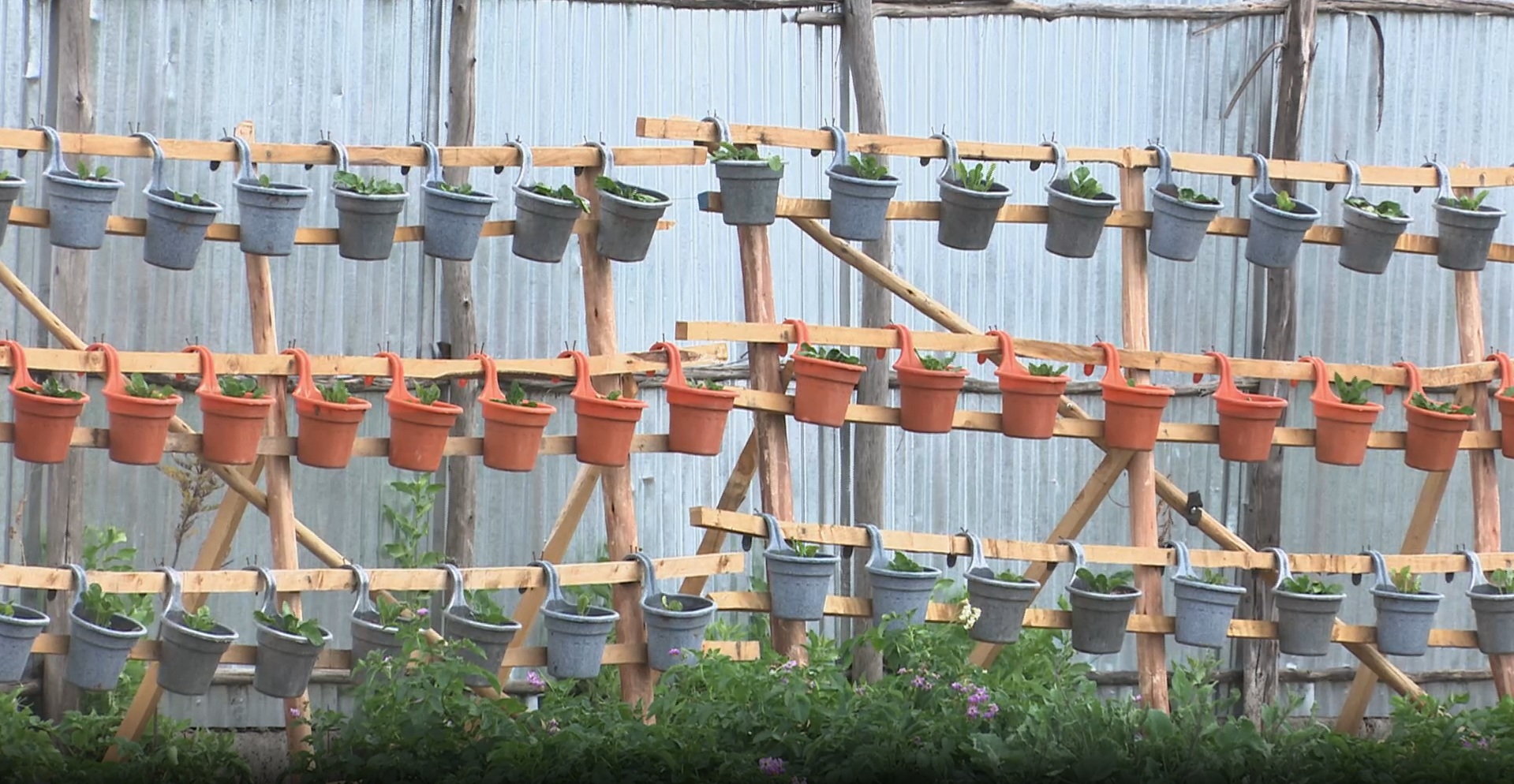
Addis Ababa, April 13, 2026 (ENA) —Addis Ababa is witnessing a significant transformation in urban agriculture, as the sector evolves from primarily serving household consumption to generating surplus for the market.
According to Bayu Shigute, Commissioner of the Addis Ababa Farmers and Urban Agriculture Development Commission, sustained attention and policy support over recent years have enabled urban farming to expand its impact.
What was once a subsistence activity is now becoming a productive, market-oriented sector.
Agriculture has remained a top priority in Ethiopia’s development agenda over the past eight years of reform, playing a central role in driving sustainable economic growth.
Within this framework, urban agriculture has emerged as a vital component.
Urban farming involves the cultivation of vegetables and fruits, as well as the rearing of livestock and fish, within limited city spaces, such as residential compounds, rooftops, and along fences—often using modern, space-efficient technologies.
This system not only enhances household food security but also creates opportunities for additional income through market supply, Bayu elaborated.
Beyond reducing the cost of living, the sector is generating substantial employment, particularly for women and young people.
A key driver behind this progress is the Bounty of the Basket initiative, a government-led effort aimed at strengthening food security nationwide.
The initiative has delivered notable results in both rural and urban settings.
Commissioner Bayu noted that despite Addis Ababa’s favorable conditions for agriculture, there was previously a widespread perception that farming was impractical in an urban environment.
The initiative has played a crucial role in reshaping this mindset.
As a result, participation in urban agriculture has expanded dramatically, from around 150,000 beneficiaries prior to the reforms to approximately 1.2 million today.
In addition, about 2,722 public and private institutions have allocated portions of their land for urban agricultural activities, further accelerating the sector’s growth.
Production levels have also risen significantly, it was indicated.
Over the past year, urban farming generated approximately 280,000 tons of animal products and various vegetables. Within just the first nine months of the current fiscal year, output has already reached 395,000 tons.
These figures reflect a broader transformation among residents, who are increasingly shifting from being solely consumers to becoming active producers.
Alex Demeke, General Manager of the Animal Development and Excellence Center, emphasized that urban agriculture is steadily becoming embedded in the city’s culture.
He highlighted the center’s role in providing technical and professional support to ensure scientific farming practices, which has significantly improved productivity in both crop and livestock production.
He added that efforts to strengthen and expand urban agriculture will continue in the years ahead.