Ethiopia Taking Tangible Steps Toward Humanitarian Sovereignty: Commissioner Shiferaw - ENA English


Ethiopia Taking Tangible Steps Toward Humanitarian Sovereignty: Commissioner Shiferaw
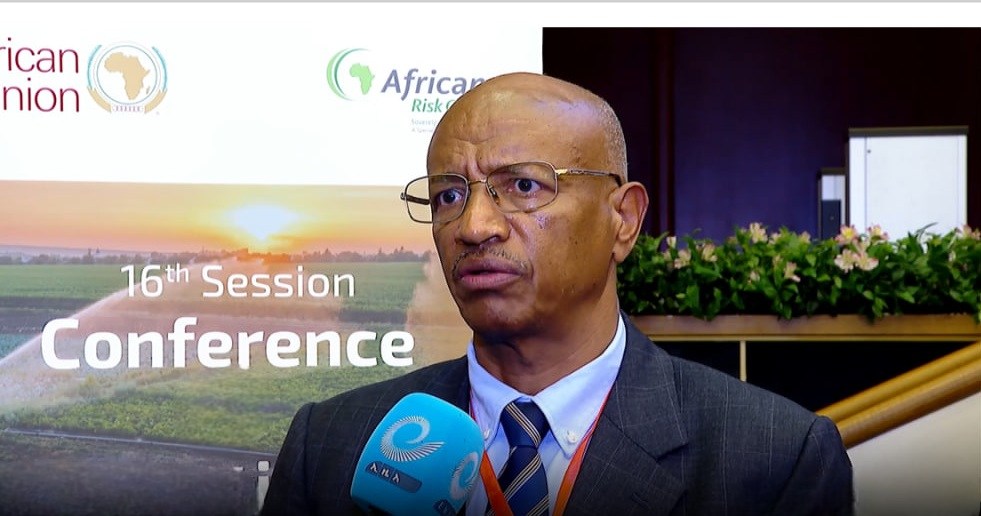
Addis Ababa, April 13, 2026 (ENA) —Ethiopia is undergoing a significant shift in its development trajectory, moving from decades of reliance on external assistance toward a future anchored in self-reliance and resilience, Ethiopian Disaster Risk Management Commission (EDRMC) said.
Speaking on the country’s evolving strategy, EDRMC Commissioner, Shiferaw Teklemariam, said Ethiopia is taking “tangible and irreversible steps” toward achieving what he described as humanitarian sovereignty.
For years, Ethiopia has embodied a striking contradiction.
Despite its abundant natural resources, rich cultural heritage, and vast human potential, Shiferaw revealed that the country has remained a frequent presence on global aid rolls.
This enduring “paradox of plenty,” marked by resource wealth alongside persistent poverty—has long defined its development narrative.
However, he said the narrative is now beginning to change.
Since the sweeping reforms introduced under Prime Minister Abiy Ahmed, a range of large-scale national initiatives have started to yield visible results. Programs such as expanded wheat production, "Bounty of the Basket" (Lemat Trufat) and the Green Legacy Initiative are boosting agricultural output while strengthening resilience and food self-sufficiency.
At the core of this transformation lies a fundamental question, according to Commissioner Shiferaw: why should a resource-rich nation continue to depend on external aid?
The push for self-reliant humanitarian systems, he explained, stems from a growing national urgency to break free from cycles of dependency.
Beyond economic considerations, the vision is also rooted in restoring dignity, reinforcing sovereignty, and fostering national pride.
Concrete progress is already being reported.
Ethiopia has halted wheat imports for humanitarian assistance, and ten regional states are now capable of meeting their own emergency food needs. The establishment of an Emergency Response Fund, alongside improvements in logistics and supply systems, is enabling faster and more efficient crisis response.
Regional governments are also strengthening their emergency reserves, reducing vulnerability to external shocks and improving preparedness for future crises.
Equally notable is the effort to formalize Ethiopia’s long-standing traditions of mutual aid, according to the Commissioner Shiferaw
Community-based support systems, deeply embedded in social and cultural practices—are now being integrated into structured institutional frameworks, combining indigenous knowledge with modern governance mechanisms, he pointed out.
Officials view these developments as a critical turning point.
Under the leadership of Prime Minister Abiy Ahmed, Ethiopia’s drive toward humanitarian self-reliance is gaining momentum, signaling a future in which the country not only responds to its own challenges but does so with a renewed sense of national purpose.


