Ethiopia’s Deputy PM Calls for Bold African Unity to Confront Climate Crisis - ENA English


Ethiopia’s Deputy PM Calls for Bold African Unity to Confront Climate Crisis
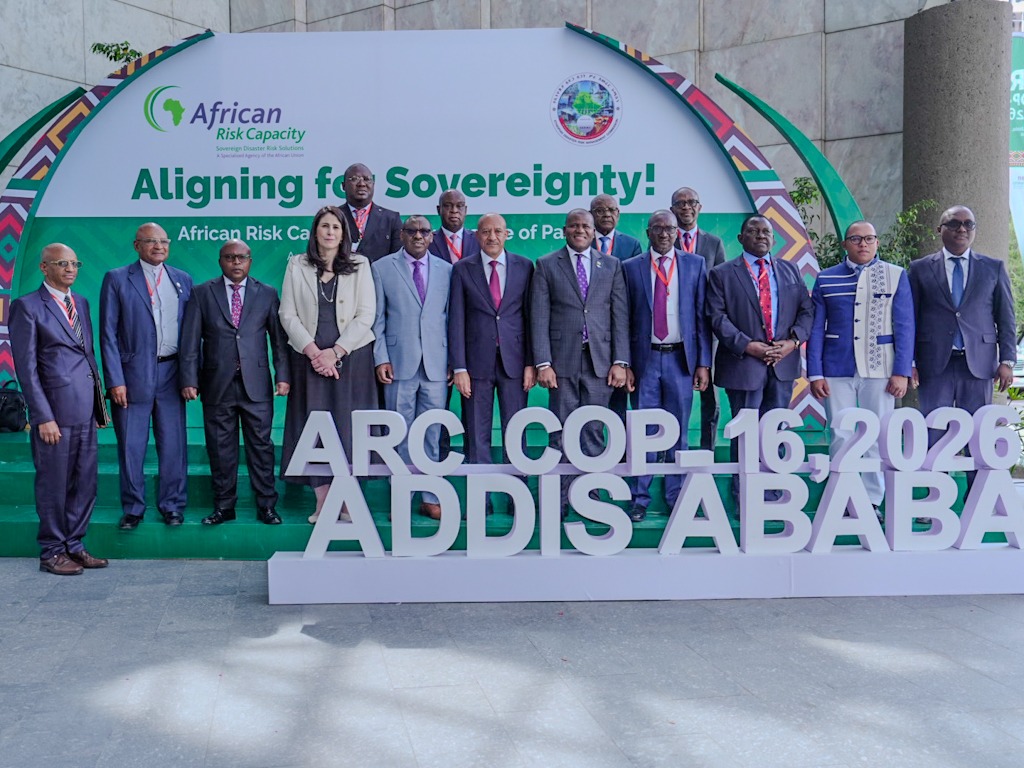
Addis Ababa, April 10, 2026 (ENA) —Ethiopia’s Deputy Prime Minister, Temesgen Tiruneh, called for greater continental unity, describing it as the cornerstone of building a climate-resilient Africa amid escalating environmental threats.
Addressing delegates at the 16th African Risk Capacity Conference of the Parties (ARC-COP16) at the African Union headquarters in Addis Ababa, Temesgen urged African nations to move beyond fragmented responses and embrace coordinated, African-led solutions.
“Africa is being severely tested by the global climate crisis,” he said, warning that the challenge must serve as a turning point, one that drives deeper solidarity rather than division.
“This moment does not call for despair. It calls for resolve. It calls for unity. It calls for the enduring African spirit,” according to him.
The Deputy Prime Minister stressed that climate change is no longer a distant or abstract threat but a present reality disrupting lives and livelihoods across the continent.
He emphasized that unity is not merely symbolic, but a decisive force in strengthening Africa’s collective resilience.
In a pointed critique of reactive disaster management, Temesgen called for a fundamental shift toward prevention and preparedness.
“Our future cannot be built on a cycle of crisis and dependency,” he said. “Too often, we have been forced to look outward after disaster strikes. That must change.”
He underscored the importance of investing in science-driven solutions, early warning systems, and risk anticipation strategies to protect both livelihoods and national sovereignty.
Reaffirming Ethiopia’s commitment, Temesgen highlighted flagship national initiatives such as the Green Legacy Initiative, alongside efforts to achieve food sovereignty and expand renewable energy infrastructure to strengthen regional integration.
He also stressed the critical role of strengthening continental institutions, particularly the African Risk Capacity, describing them as indispensable to Africa’s long-term resilience.
“Strengthening African institutions is not optional. It is essential,” he said.
He added that: “When we invest in our own systems, rely on our own knowledge, and act together, we can transform the trajectory of our continent.”
Closing his address, the Deputy Prime Minister reaffirmed Ethiopia’s readiness to lead by example and collaborate with partners across Africa.
“Africa’s future must not be defined by vulnerability,” he concluded, “but by resilience, sovereignty, and shared progress.”


