Scholars Call for Legal and Diplomatic Solutions to Generational Agenda - ENA English


Scholars Call for Legal and Diplomatic Solutions to Generational Agenda
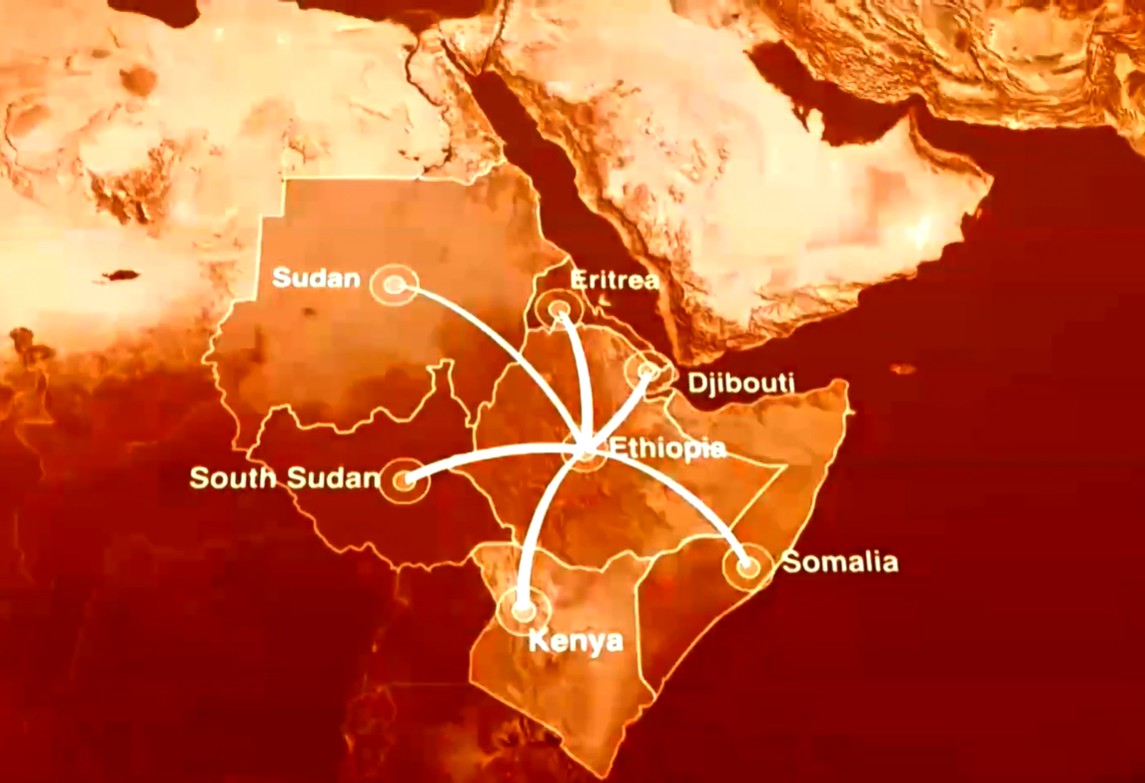
Addis Ababa, April 8, 2026 (ENA) — Scholars have framed Ethiopia’s longstanding pursuit of maritime access as a defining generational agenda that requires a clear legal and diplomatic resolution, describing it as vital to the country’s survival and future development.
Experts in the water sector stress that the issue goes beyond economic interest, underscoring its deep historical, geographic and strategic roots.
They note that until three decades ago, Ethiopia maintained reliable maritime gateways that connected it to global trade networks for centuries.
Historical accounts indicate that the prominence of the Axumite civilization and its strong engagement in international commerce were closely tied to direct access to sea outlets.
This legacy endured for generations, with Ethiopia sustaining naval capacity that contributed to stability in the Red Sea and surrounding region.
Scholars argue that the loss of direct access to the Red Sea coast followed a convergence of internal and external pressures in the early 1990s, leaving the country landlocked.
Since then, the question of diversified port access remained largely unaddressed for more than thirty years despite its centrality to national development.
They note that recent national reforms have brought renewed attention to the issue, now approached through legal, historical, economic and geographic considerations.
Ethiopia is stepping up peaceful and diplomatic efforts grounded in mutual benefit to expand trade corridors and boost investment flows.
Experts from Addis Ababa University emphasize that maritime access is not optional but a necessity for both present and future generations.
Belete Berhanu, lecturer in the Department of Civil and Environmental Engineering, said, “Ethiopian civilization is a collective result of the synergy between its two vital water resources.”
He added, “The Nile and the Red Sea have long served as pillars of regional, continental and global economic and political engagement.”
He stressed that the question of sea access must be examined through multiple lenses, noting that it is deeply embedded in Ethiopia’s identity and long-term development trajectory.
Hydropolitics researcher and international water negotiator Yacob Arsano highlighted the historical centrality of maritime access to Ethiopia’s statehood.
“Historical adversaries exploited internal instability to orchestrate Eritrea’s secession, distancing Ethiopia from the maritime access that underpinned its civilization,” he said.
Yacob emphasized that restoring Ethiopia’s legal and historical rights as a nation with access to multiple port outlets remains a fundamental national concern.
The scholars underlined that Ethiopia’s dual water resources carry strategic importance and are essential to safeguarding sovereignty and national dignity.
They stressed that a generation advancing national ambitions linked to these resources must also secure a lasting solution to maritime access through peaceful legal and diplomatic means.
Ethiopia’s pursuit of a sea outlet, they concluded, remains a defining generational mission seeking a fair and durable resolution.


