Starting Inclusive Nat'l Dialogue that Lay Foundation for Culture of Consultation Major Success in Ethiopia: ENDC - ENA English
Starting Inclusive Nat'l Dialogue that Lay Foundation for Culture of Consultation Major Success in Ethiopia: ENDC
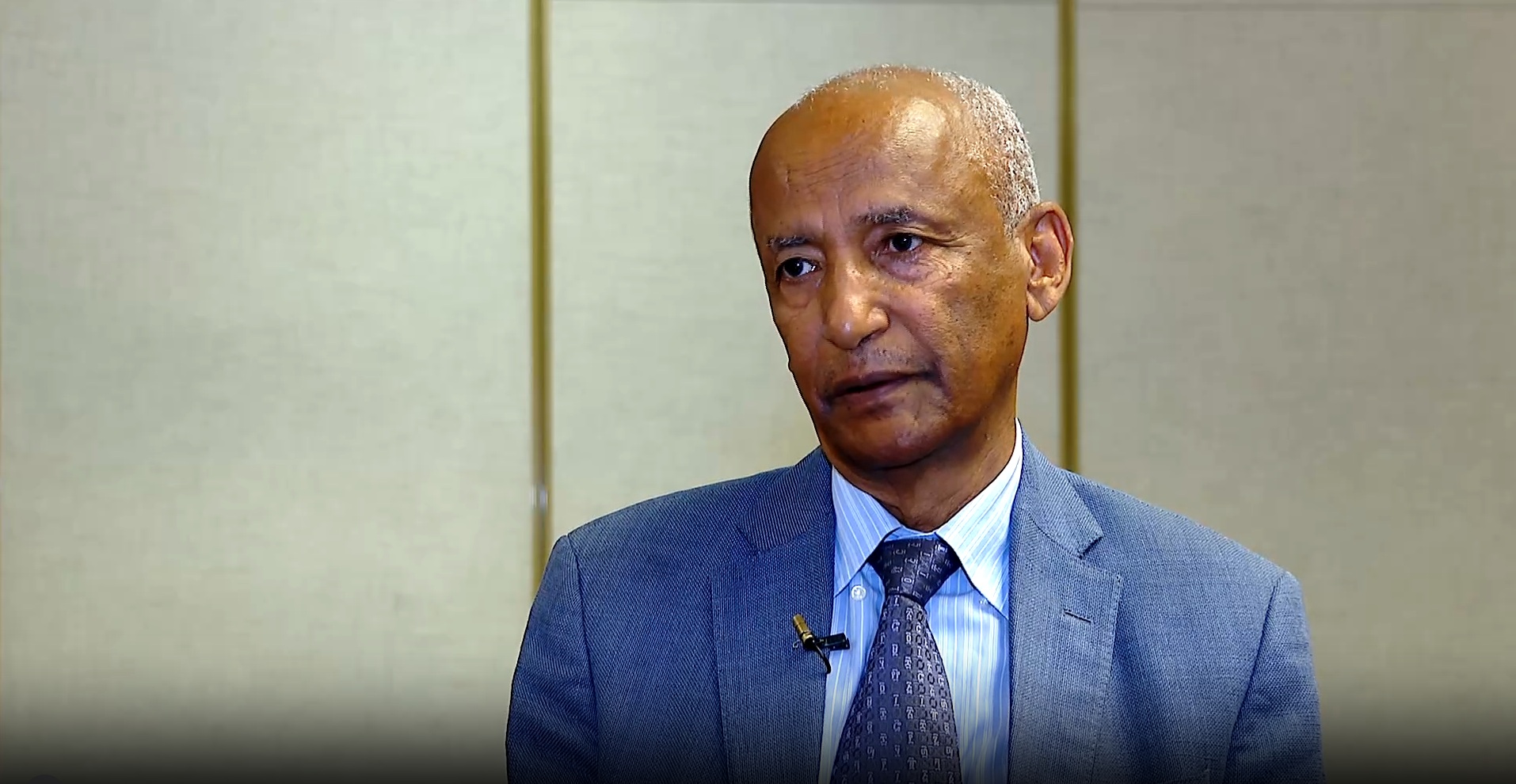
Addis Ababa, April 4, 2026 (ENA) —Ethiopian National Dialogue (END) Chief Commissioner, Professor Mesfin Araya, said starting an inclusive national dialogue that has a potential to lay foundation for consultation as a culture in the country is a major success for the commission.
In an exclusive interview with ENA, Chief Commissioner Mesfin emphasized the achievements made since the establishment of the commission over the past three.
According to him, the major success for the commission is to see that Ethiopians have started dialogue. For the first time, people from both the center and the periphery are taking part in the national dialogue on equal footing.
He noted that the national dialogue process has removed the long-standing discrimination which confined political participation to those from central highland areas.
“Now, for the first time, the Ethiopian pastoralist woman is discussing the fate of her country openly and transparently,” the Chief Commissioner said, citing women from Afar and Somali regions as well as inhabitants from the southern remote area Salamago have joined discussions on issues they consider relevant to the nation’s future.
He underscored that the commission’s inclusive approach is not merely a matter of political correctness but essential for national survival.
Traditionally marginalized groups — including artisans and others sidelined because of identity or occupation — have taken part in the consultations after years of subjugation and exclusion.
The final phase of the dialogue will bring together 4,000 representatives that convene in a national conference which deliberates on national issues and work toward consensus.
Where consensus cannot be reached, the Chief Commissioner said, it will forward matters for nationwide resolution, including possible referenda or issues that may be deferred to future generations.
“Let us lay the weapon down, come together, bring out contentious issues that are relevant to national peace and progress, and continue discussing until we reach proper conclusions,” he urged.
Chief Commissioner Mesfin described Ethiopia as richly diverse — home to more than 80 nations, nationalities and peoples — each with its own conflict-resolution practices.
The ENDC aims to blend those traditional mechanisms with modern dialogue techniques under neutral facilitation by the commissioners, he said.
“What we are doing is, I believe, the first of its kind — not only for Ethiopia but as an exemplary process for others,” the Chief Commissioner added.
Unlike many dialogue processes that are top-down and dominated by elites, Ethiopia’s approach is bottom-up, driven by pastoralists, farmers, artisans and ordinary citizens alongside political elites and government representatives, he noted.
The dialogue is open and inclusive to marginalized groups, women, persons with disabilities, pastoralists, and among other segments of the society.
Above all, people are speaking their minds without reservation, and the neutrality and impartiality of the commission are crucial because there is no interference whatsoever from the government.
For the Chief Commissioner, inclusivity is a foundational pillar of the dialogue. The ENDC’s outreach has already reached 1,234 Woredas nationwide, with remaining gaps concentrated in parts of Tigray region.
The Ethiopian National Dialogue Commission plans to complete the coverage gap before holding a national plenary.