Bangladesh Seeks to Learn from Ethiopia’s EV Foresight: Ambassador - ENA English


Bangladesh Seeks to Learn from Ethiopia’s EV Foresight: Ambassador
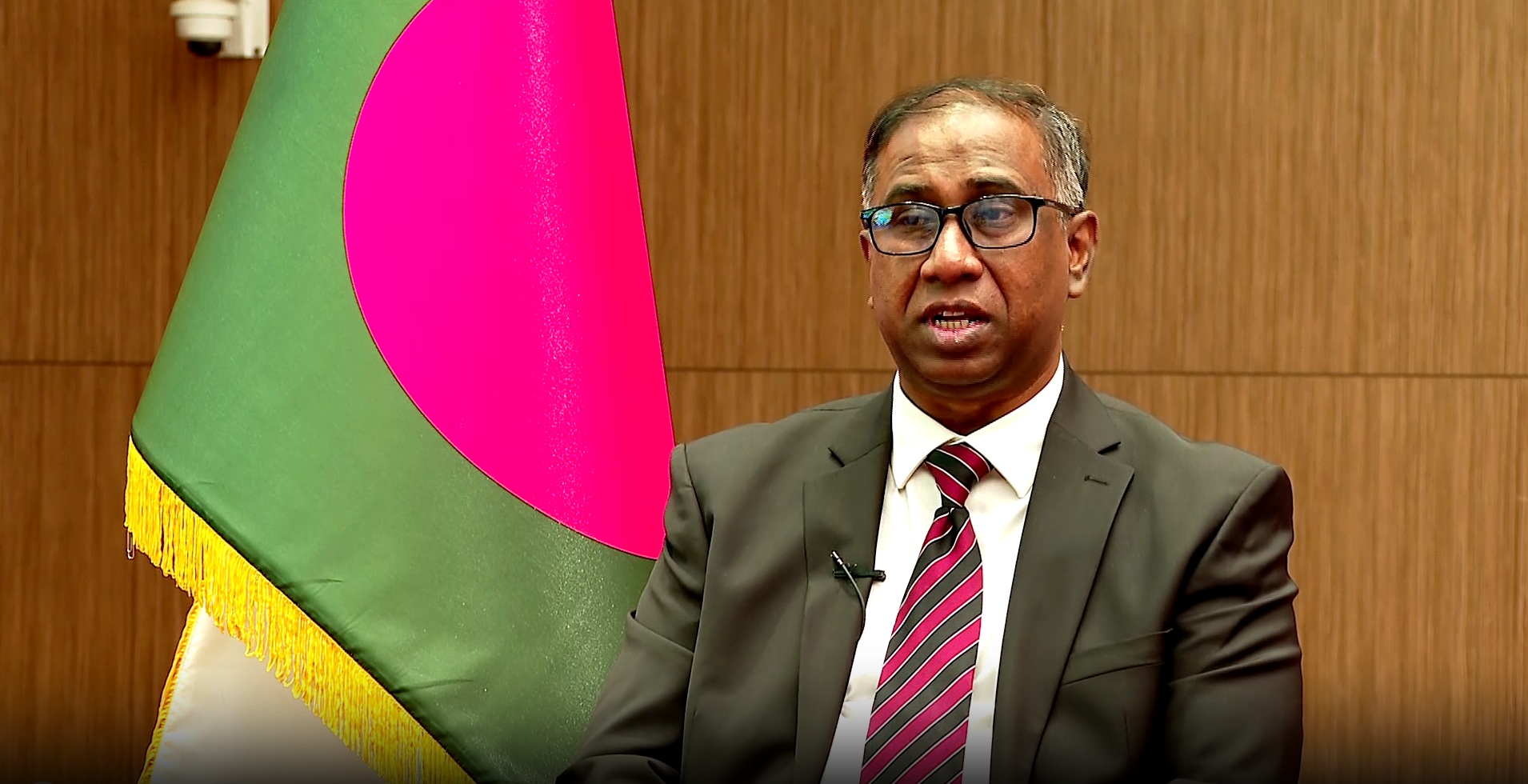
Addis Ababa, April 2, 2026 (ENA) —Bangladesh is keen to draw lessons from Ethiopia’s transition to electric vehicles (EVs), which is helping reduce vulnerability to global energy shocks, Bangladesh’s Ambassador to Ethiopia, Air Vice Marshal Sitwat Nayeem, said.
In an exclusive interview with ENA, the ambassador said Ethiopia’s decision to limit the import of diesel and gasoline-powered vehicle.
“You see, people now understand in the government decision of banning the import of diesel and octane driven vehicle. When this decision was taken in this country, there was some little bit of repercussion of why, why electric, because you need to change battery, at some point the expenses will be more. But you see, this is called the foresightedness. This government has this foresightedness that similar kind of thing might happen,” he said.
He noted that Ethiopia is now less affected by global oil supply disruptions due to reduced dependence on fossil fuels.
“Ethiopia is not very much affected because their requirement of this fossil fuel is very less now because of the government decision of bringing all battery driven vehicle and the hybrid vehicle,” he added.
Highlighting Bangladesh’s reliance on imported fuel, particularly from the Middle East, the ambassador said his country is currently facing challenges, including fuel rationing.
“Bangladesh needs to learn from this because we import a lot of fuel from the Middle Eastern countries. Now we are doing the rationing and also trying to survive this problem that is happening. So this is one thing I think the government of Bangladesh needs to need this lesson from Ethiopia and implement similar kind of policies in our country as well,” he stated.
The ambassador also stressed the serious threat posed by climate change, particularly rising sea levels, to Bangladesh.
“Because of the rise of the sea level, the countries will be affected by that. Bangladesh is one of the countries will be seriously affected by the rise of sea level. We will be losing a lot of grounds... you know, when you are based on agriculture, when the land submerged with the sea water, you cannot produce anything there. So it is a serious problem for Bangladesh,” he said.
He further called for greater accountability from major greenhouse gas-emitting countries.
“And you see, Bangladesh and Ethiopia, we do not produce any this harmful gas, which causes the problem of the global warming. But the countries who are producing the maximum, they need to compensate,” he noted.
The ambassador also urged developing countries to collectively raise their voices on climate change.
“And we can, what I said is that we need to raise our voice together about the climate change and tell people about our problems so that we are taken care of, we are compensated so that this problem does not exist,” he said.


