Inflation Sustains Single-Digit Trajectory as Ethiopia’s Economic Stability Strengthens - ENA English
Inflation Sustains Single-Digit Trajectory as Ethiopia’s Economic Stability Strengthens
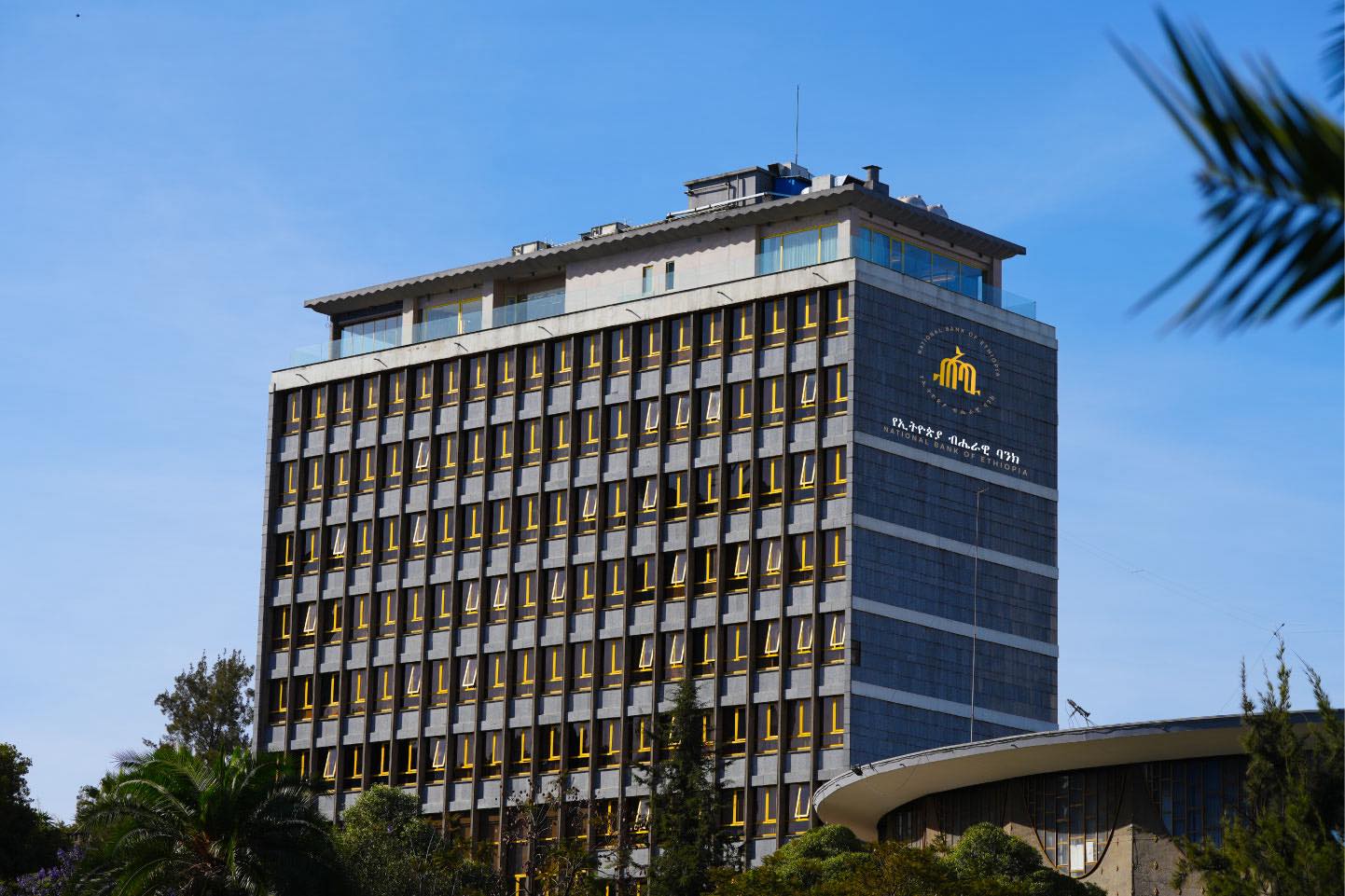
Addis Ababa, March 31, 2026 (ENA) —The National Bank of Ethiopia (NBE) has reported that inflation continued its downward trend, with the February 2026 rate standing at 9.7 percent.
This sustains the country’s achievement of single-digit inflation, which was first attained in December 2025.
The Monetary Policy Committee (MPC) attributed the sustained disinflation to a tight monetary policy stance, prudent fiscal management, and strengthened supply-side measures, while cautioning that emerging global geopolitical tensions may pose upside risks to price stability.
The National Bank of Ethiopia’s Monetary Policy Committee (MPC) has confirmed that inflation continues to ease, with the latest reading falling to 9.7 percent in February 2026, maintaining the country’s achievement of single-digit inflation since December 2025.
In its 6th meeting held on March 21, 2026, the Committee attributed the sustained decline in inflation to the NBE’s tight monetary policy stance, fiscal discipline, and improved supply-side measures.
Food inflation dropped to 10.8 percent from 14.6 percent a year earlier, while non-food inflation eased significantly to 8.1 percent from 15.6 percent over the same period. Month-on-month inflation also remained low at 0.4 percent, indicating continued moderation in price pressures.
Despite the progress, the Committee cautioned that emerging geopolitical tensions in the Middle East could push up global oil prices and disrupt supply chains, posing upward risks to domestic inflation. It emphasized the need to maintain the current tight monetary policy stance to safeguard price stability.
On economic growth, the Committee noted that Ethiopia’s economy remains robust, with real GDP expanding by 9.2 percent in the 2024/25 fiscal year. Growth was supported by strong performance in the industrial sector, particularly mining, with gold production contributing significantly to growth. The services and agriculture sectors also continued to show steady expansion.
Monetary developments showed strong credit expansion, with broad money growing by 39.3 percent year-on-year and bank credit rising by 45.3 percent. Interest rate movements reflected improved participation in financial markets, while liquidity pressures persisted in some private banks.
The banking sector remained stable overall, supported by regulatory measures including the interbank money market and the National Bank’s standing lending facility.
Fiscal policy was described as disciplined, with continued efforts to strengthen revenue mobilization while controlling expenditures. The budget deficit remained modest, financed largely through treasury bills.
Ethiopia’s external sector also showed resilience, recording a balance of payments surplus driven by improved exports, private transfers, and service trade performance.
The Committee reaffirmed its commitment to maintaining a tight monetary policy stance and decided to keep the policy rate and credit growth caps unchanged. It also emphasized close monitoring of global and domestic developments, particularly in light of rising international uncertainty, and agreed to reconvene in late April for further assessment.