Rural Corridor Dev't Set to Lift Living Standards of Nonurban Population in Ethiopia, Says PM Abiy - ENA English
Rural Corridor Dev't Set to Lift Living Standards of Nonurban Population in Ethiopia, Says PM Abiy
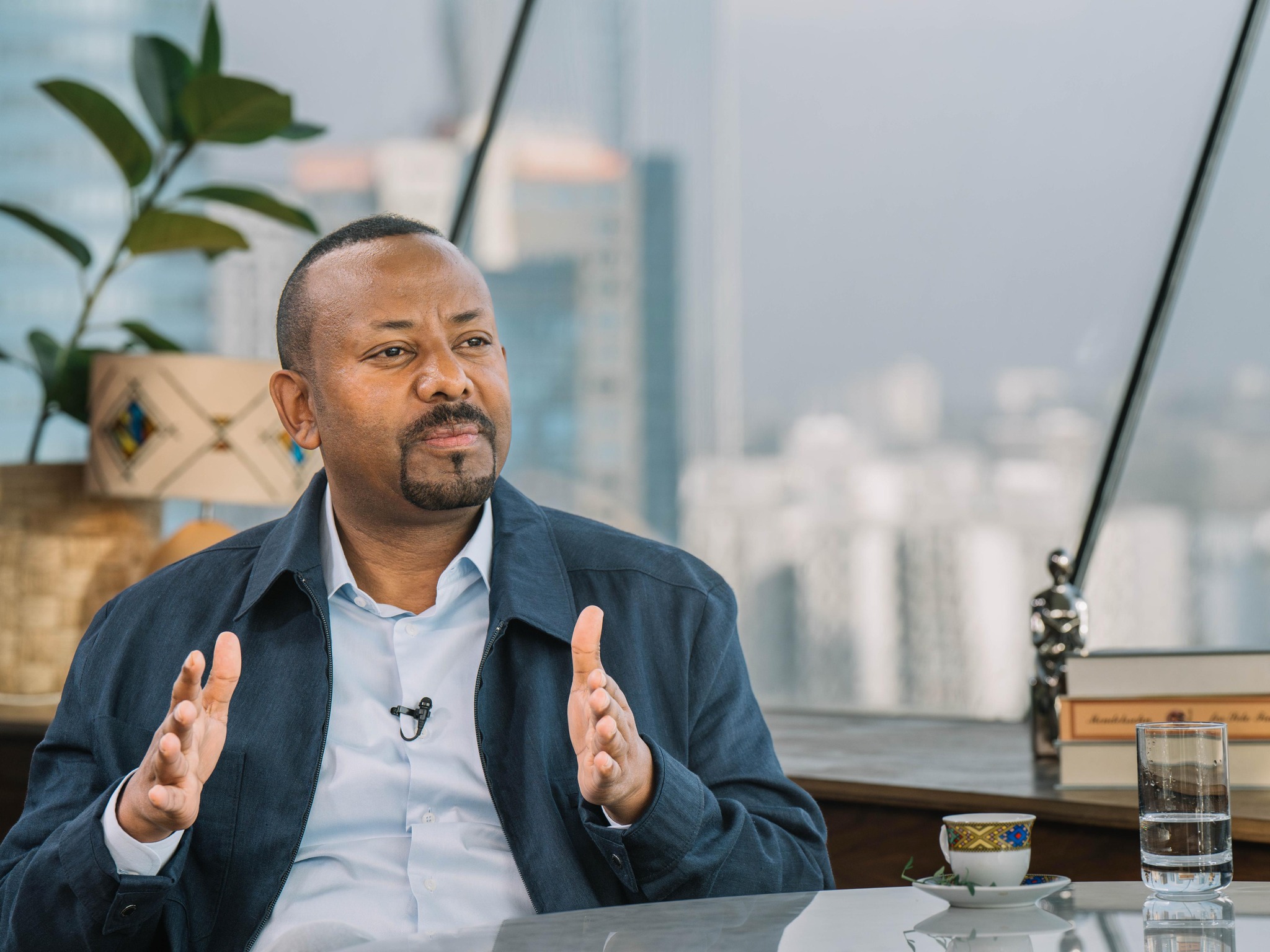
Addis Ababa, March 29, 2026 (ENA) —Prime Minister Abiy Ahmed said Ethiopia’s rural corridor development initiative, which is an extension of the broader concept of city corridor development, aims to bring similar improvements in the living standards of rural communities.
The PM told Kana TV early last week that “just as we are working to improve the livelihoods of our citizens in urban areas and make life easier, rural corridor development is about doing the same in the countryside”.
He noted that despite agricultural productivity, many rural households continue to face difficult living conditions.
“If you go to rural areas, you will see that even when farmers produce well, they often live in a single-room house where livestock and family members share the same space. The living conditions are not convenient,” PM Abiy elaborated.
He warned that such challenges are contributing to the steady migration of young people from rural areas to cities.
“Particularly, the youth are leaving rural areas. If this continues, the agricultural sector will gradually be weakened, and the countryside will be left without successors,” he cautioned, adding that an aging rural population combined with youth outmigration poses a long-term threat to national development.
According to PM Abiy, making rural life more livable is essential to reverse this trend.
Among the key solutions, the Prime Minister emphasized the need for expanding access to renewable energy.
“One of the primary solutions is ensuring access to solar energy through off-grid systems,” he said.
Biogas technology is, therefore, being promoted to convert waste and agricultural byproducts into energy, reducing dependence on firewood and protecting mothers from harmful smoke during cooking.
The initiative also focuses on strengthening household resilience and food security. PM Abiy noted that enabling families to produce food within their own compounds, alongside improving sanitation and cleanliness, plays a vital role in safeguarding health and well-being.
He further highlighted the importance of expanding access to basic services in rural communities.
“When communities are organized, we provide schools, kindergartens, health stations, as well as telecom and electricity services,” he explained, adding that such integrated support is key to improving overall quality of life.
The Prime Minister stressed that unmanaged rural-urban migration places significant pressure on cities.
“If people leave rural areas due to lack of livable conditions, they will inevitably move to cities that are not prepared to accommodate them,” he said. “When infrastructure built for one million people is forced to serve two million, it deteriorates. Cities become strained, while rural areas are left without owners.”
To address these challenges, the government is constructing model rural houses across various regions, tailored to local conditions and built primarily using locally available materials.
“The type of housing we build in one area may differ from another, but the designs include essential improvements such as separating living and sleeping spaces and incorporating solar lighting,” the PM explained.
He added that these model homes are already gaining strong acceptance among communities.
“In all the places we have built and visited, they have created satisfaction among the people. They are encouraging others to replicate and expand them using their own capacity.”
Acknowledging that the initiative is still at an early stage, given Ethiopia’s large population, PM Abiy emphasized its transformative potential. “If we are to develop Ethiopia, focusing only on cities is not sufficient,” he said.
In conclusion, the premier noted that by integrating rural transformation with urban development, Ethiopia is positioning itself to achieve more balanced growth across the entire nation.