Ethiopia Shifts to System-Based Infrastructure Development to Sustain Growth: Ministry - ENA English


Ethiopia Shifts to System-Based Infrastructure Development to Sustain Growth: Ministry
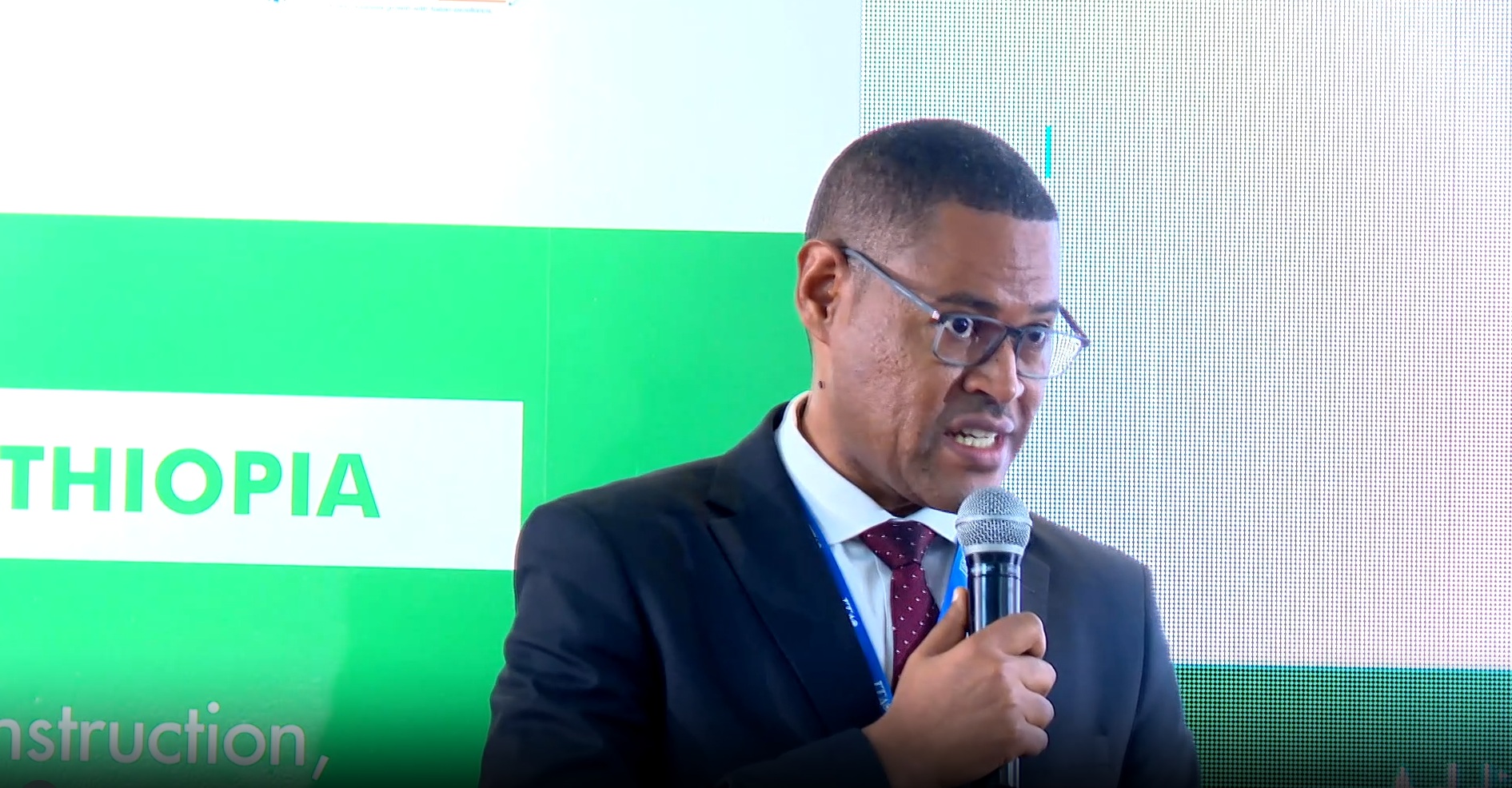
Addis Ababa, March 25, 2026 (ENA) — The Ministry of Urban and Infrastructure Development affirmed that Ethiopia is moving away from isolated construction projects toward building integrated systems and a strong national construction industry to drive long term development.
Speaking at the Ethiopia Italy Construction Infrastructure and Development Forum in Addis Ababa, Urban and Infrastructure Development State Minister Yetimegeta Asrat said that infrastructure remains central to the country’s economic transformation and long-term vision.
The forum brought together senior officials including Addis Ababa Mayor Adanech Abiebie, Finance Minister Ahmed Shide, Irrigation and Lowlands Minister Abraham Belay, Italy’s Deputy Minister of Foreign Affairs and International Cooperation Maria Tripodi, and Italy’s Ambassador to Ethiopia Sem Fabrizi.
Yetimegeta elaborated that the country is transitioning toward interconnected infrastructure systems capable of supporting sustainable and inclusive growth.
“We are not merely building projects, but fundamentally building systems and a construction industry that can build a nation,” he said, adding that infrastructure serves as the lifeline of the economy.
He further noted Ethiopia’s ambition to become hope for prosperity in Africa through resilient and well-connected infrastructure networks.
The state minister also noted that Ethiopia has made notable progress in infrastructure expansion, particularly in the road sector, where the national network has grown nearly sevenfold since the late 1990s to exceed 182,000 kilometers.
Urban development has also accelerated through corridor projects that have installed 695 kilometers of pedestrian walkways and more than 190 kilometers of bicycle lanes across cities.
He added that the construction sector is experiencing rapid growth driven by large scale public and private investment, with projections showing nearly 8 percent annual growth through 2030.
Yetimegeta also pointed to major energy projects such as the Grand Ethiopian Renaissance Dam, which is expected to boost electricity generation and support industrialization.
Urban regeneration initiatives are also improving economic activity and quality of life in cities nationwide, he said.
Meanwhile, Director of the Macroeconomy Department at the United Nations Economic Commission for Africa, Stephen Karingi, underscored the urgent need for sustainable infrastructure financing across Africa.
He noted that more than 45 percent of Africa’s population currently lives in urban areas, a figure projected to exceed 60 percent by 2050, adding over 900 million urban residents.
“The magnitude of the challenge is considerable. Africa’s infrastructure financing gap is estimated between 70 billion and 110 billion U.S. dollars annually,” he said.
Karingi observed that property taxation remains underutilized, contributing only about 0.5 percent of GDP compared to 2 to 3 percent in Organization for Economic Co-operation and Development countries.
He called for stronger domestic resource mobilization, improved land valuation systems and more effective revenue collection, alongside expanded access to capital markets and municipal bonds.
Karingi also praised Addis Ababa as a model city, citing its leadership in demonstrating the potential of urban development in Africa.


