2.32 Billion Birr Agricultural Equipment Distributed Nationwide to Boost Ethiopia’s Rural Growth - ENA English
2.32 Billion Birr Agricultural Equipment Distributed Nationwide to Boost Ethiopia’s Rural Growth
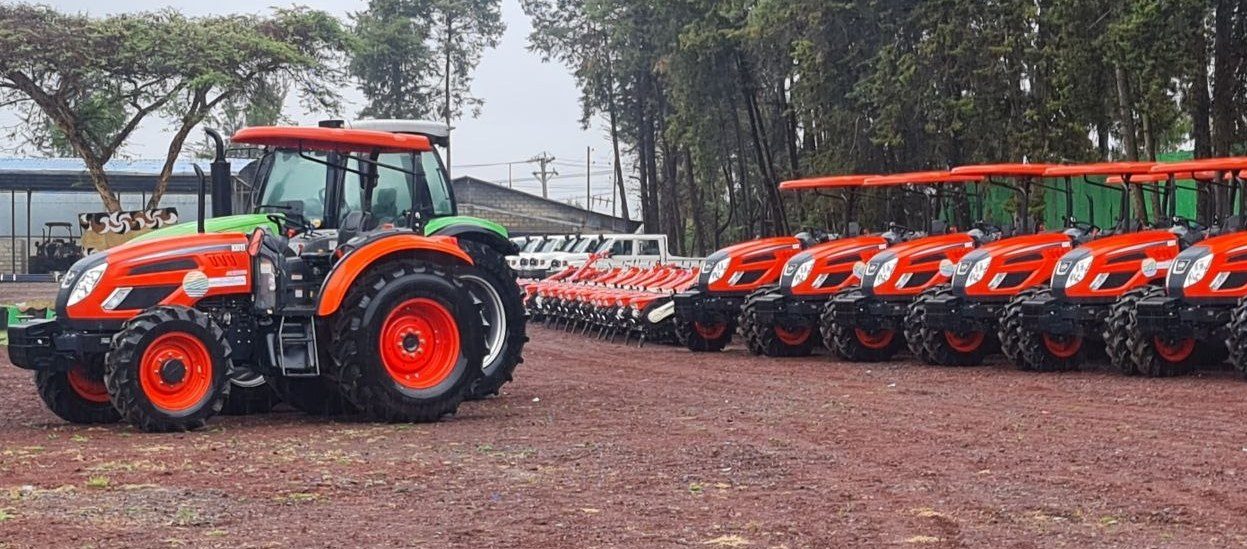
Addis Ababa, March 22, 2026 (ENA) —The Ministry of Agriculture has distributed agricultural mechanization equipment worth 2.32 billion Birr to all regional states and the Dire Dawa City Administration, in a major step toward accelerating the country’s agricultural transformation.
The ministry said the nationwide rollout is part of ongoing efforts to modernize Ethiopia’s farming sector and reduce reliance on traditional practices.
Minister of Agriculture, Addisu Arega officially handed over the equipment to representatives of the regions and the city administration at a ceremony held today.
The delivery includes 63 tractors, 71 walking tractors, 150 rice threshing machines, four egg incubators and hatchers, five groundwater pumps, 460 solar-powered water pumping units, 15 field vehicles, 243 motorcycles, and 980 desktop and laptop computers.
The wide-ranging equipment is expected to improve both farm productivity and service delivery across rural areas.
The procurement was financed with support from the Government of South Korea and implemented in collaboration with key national and international initiatives, including the Food Systems Strengthening Program, Sustainable Land Management Program, Desert Locust Response Project, Productive Safety Net Program, and the Ethiopian Agricultural Transformation Institute.
Speaking at the event, Minister Addisu said the initiative will significantly strengthen efforts to modernize agriculture and boost productivity nationwide.
He stressed that expanding mechanization remains a top government priority aimed at transforming agriculture into a more efficient, technology-driven system.
He noted that mechanization plays a decisive role in increasing output, reducing labor intensity, and improving post-harvest management.
The minister added that the newly distributed equipment will enhance product quality, improve competitiveness in international markets, and contribute to ensuring food security and resilience across the country.