Scholars Express Confidence National Dialogue Will Foster Lasting Peace in Ethiopia - ENA English


Scholars Express Confidence National Dialogue Will Foster Lasting Peace in Ethiopia
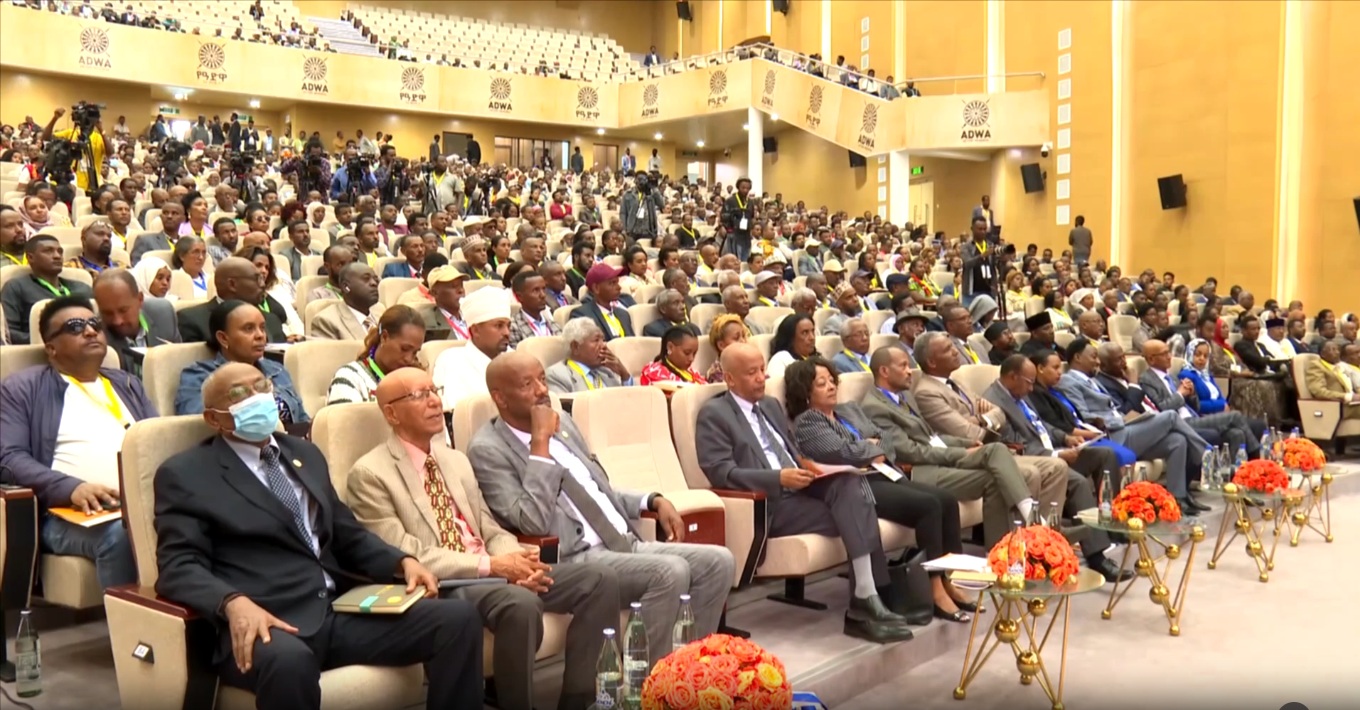
Addis Ababa, March 12, 2026 (ENA)—Scholars have expressed confidence that Ethiopia’s ongoing national dialogue process will play a crucial role in fostering lasting peace and long-term prosperity.
They noted the initiative provides an important platform for addressing long-standing political, social, and ethnic challenges by encouraging inclusive discussions and building national consensus.
Ethiopia has recently embarked on a nationwide reconciliation effort, marking a critical phase in addressing deep-rooted divisions that have affected the country for decades.
The reconciliation initiative is closely linked to the work of the Ethiopian National Dialogue Commission, which was established by the House of People’s Representatives of Ethiopia in 2021 to facilitate inclusive dialogue among political actors, communities, and key stakeholders.
The dialogue process aims to identify the root causes of conflicts and create consensus on major national issues affecting Ethiopia’s unity and stability.
Speaki ng to ENA, Manaye Zegeye, a lecturer and researcher of law at Addis Ababa Science and Technology University, stressed the importance of national dialogue in addressing complex challenges that have persisted in the country for centuries.
He noted that differences of opinion are natural in any society, but emphasized that such differences must be managed peacefully and respectfully.
According to him, establishing a strong consultative framework that allows citizens and stakeholders to openly discuss national issues is essential for nation-building and achieving lasting consensus.
Manaye added that the national dialogue process has the potential to transform conflicts into opportunities for cooperation, paving the way for enduring unity and peace.
Reports indicate that consultations have already taken place in several regions, involving citizens, civil society organizations, religious leaders, elders, and political groups.
These consultations aim to ensure that the dialogue reflects the voices of diverse communities and helps rebuild trust among groups that have experienced tensions or conflict.
Scholars and policy experts emphasize that broad participation and transparency are critical for strengthening the credibility and effectiveness of the reconciliation process.
Similarly, Gemechis Mersha, an economics lecturer and researcher at Adama Science and Technology University, highlighted the role of national dialogue in addressing historical grievances and promoting justice.
He noted that the dialogue process provides a valuable platform for acknowledging past conflicts and building a shared vision for the future.
Drawing on experiences from other African countries that have resolved national challenges through dialogue, Gemechis said Ethiopia’s consultation initiative could help build a broad national consensus.
According to him, the process will enable citizens to collectively shape the country’s future rather than leaving key national decisions to a limited group of elites.
Gemechis added that the national dialogue presents an opportunity to uncover deep-rooted political and social challenges while helping develop a shared national narrative.
Achieving this goal, he said, requires constructive discussions and a forward-looking approach that benefits future generations.
He emphasized that dialogue should not be viewed as a weakness but as a vital national asset, noting that the mutual understanding built through such discussions is essential for strengthening internal unity, ensuring lasting peace, and supporting sustainable development.


