Seventh General Election Signals Ethiopia’s Growing Democratic Maturity - ENA English
Seventh General Election Signals Ethiopia’s Growing Democratic Maturity
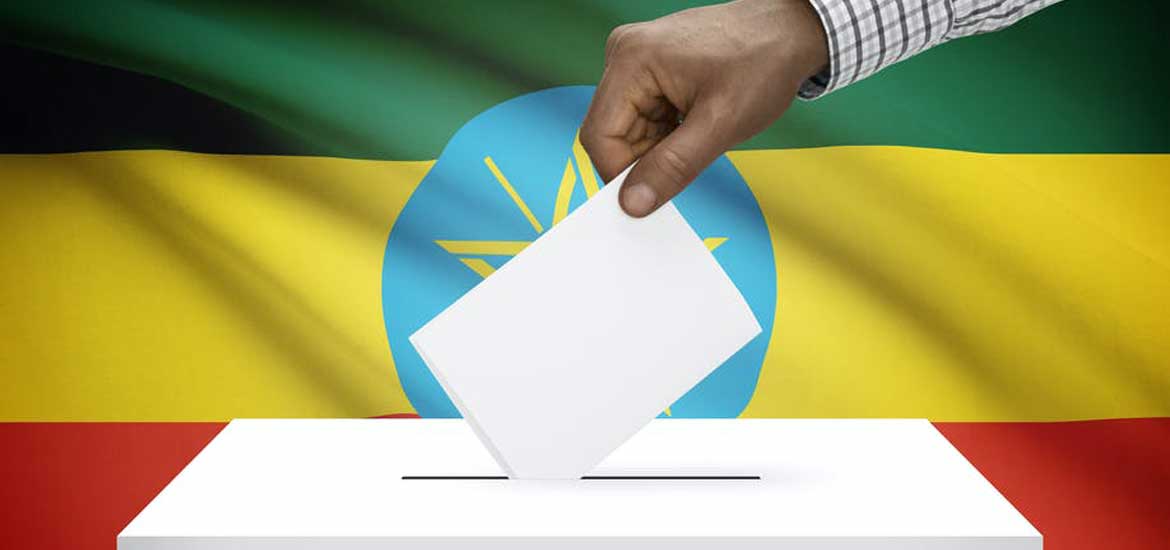
By staff writer
Addis Ababa, March 6, 2026 (ENA)—As Ethiopia prepares for its seventh General Election, the country finds itself at a significant political juncture that reflects the steady evolution of its democratic journey.
The upcoming vote represents far more than a routine constitutional exercise; it is a critical milestone in the nation’s efforts to consolidate democratic governance and strengthen public confidence in its political institutions.
Over the past decades, Ethiopia has gradually laid the foundations for representative governance by expanding political participation and building a more structured electoral environment for political actors and citizens alike. These developments reflect the country’s broader efforts to deepen democratic practices while strengthening institutions responsible for administering elections and protecting citizens’ rights.
In recent years, Ethiopia has undertaken notable reforms aimed at reinforcing key democratic institutions. Among the most important have been reforms within the National Election Board of Ethiopia and the Ethiopian Human Rights Commission, both of which play a vital role in safeguarding electoral integrity and protecting fundamental rights.
Equally significant has been the expansion of civic space. The country has taken a decisive step in allowing and strengthening civil society organizations, an important development that had not been witnessed for decades.
These reforms have been widely regarded as essential measures for building a more transparent, accountable, and credible democratic system.
Scheduled for June 1, 2026, the seventh General Election arrives at a time when public expectations for credible democratic practices are higher than ever. With electoral institutions gaining greater independence and operational capacity, the upcoming vote is expected to serve as an important indicator of Ethiopia’s democratic maturity and the resilience of its governance structures.
Political leaders, analysts, and electoral authorities emphasize that this election carries particular significance because it is being conducted within a more strengthened institutional framework compared to previous electoral cycles. The government has repeatedly reaffirmed its commitment to creating a conducive environment for free, fair, and credible elections.
In this regard, political parties have begun engaging in debates and presenting their manifestos to voters as the electoral campaign gains momentum. A key milestone in the election process will take place with the start of voter registration tomorrow, on March 6, 2026, across polling stations throughout the country.
Field observations conducted by the Ethiopian News Agency in Addis Ketema and Gullele sub-cities of Addis Ababa indicate that essential voter registration materials are already being distributed to electoral wards and polling stations.
Prime Minister Abiy Ahmed has consistently emphasized the importance of credible elections in strengthening democratic governance and political stability. Addressing the nation on the country’s democratic reform process, he noted that Ethiopia’s democratic journey requires patience, institutional strength, and collective civic responsibility.
“Ethiopia’s path toward democracy requires patience, strong institutions, and the collective commitment of citizens to protect the integrity of the electoral process,” the prime minister stated.
In a separate parliamentary address on political reforms and electoral governance, he also highlighted the central role of elections in shaping national leadership, noting that “free, fair, and credible elections are the foundation upon which a stable and prosperous democratic system is built.”
Electoral History
Ethiopia’s electoral experience since the adoption of the federal constitution in 1995 illustrates the gradual evolution of democratic governance in the country. The first national election held that year introduced a multi-party parliamentary system in which members of the House of People's Representatives are elected for five-year terms from single-seat constituencies.
Early elections, however, were conducted during periods characterized by political transition and institutional consolidation. At the time, the country was working to stabilize its newly established federal system while constructing the core structures of governance. Some opposition parties boycotted those early elections, and political competition remained limited.
Over the following decades, Ethiopia conducted successive elections in 2000, 2005, 2010, 2015, and 2021. Each electoral cycle reflected changing political dynamics and gradually expanding participation by political actors. Despite challenges that emerged at various stages, the electoral process has progressively broadened in scale, administration, and institutional oversight.
Democratic Institutions
One of the defining features of the seventh national election is the strengthening of democratic institutions responsible for administering and safeguarding the electoral process.
Recent reforms have significantly enhanced the autonomy, professional capacity, and nationwide operational reach of the National Election Board of Ethiopia. The institution has expanded its structures at both federal and regional levels, enabling broader voter registration, improved election management, and more effective monitoring of political parties.
The board has also emphasized its commitment to professionalism and transparency, placing priority on ensuring that every eligible Ethiopian voter has the opportunity to participate in a credible and transparent electoral process.
Officials from the board underline that strengthening public confidence in elections remains a central institutional objective and a critical factor for the future of democracy in the country.
Alongside the election board, other democratic institutions such as the National Dialogue Commission, the judiciary, parliament, and civil society organizations are playing an increasingly important role in safeguarding the integrity of the electoral process.
Civil society organizations are now legally permitted to conduct voter education campaigns and observe electoral activities, contributing to greater transparency and strengthening public trust in the system.
Speaker of the House of People's Representatives, Tagese Chafo, has also reaffirmed the government’s commitment to supporting the electoral process. Speaking at a national forum that brought together judicial and administrative institutions involved in election preparations, he stated that the government will provide the necessary support for the successful conduct of the seventh national election.
He further emphasized the importance of cooperation among institutions, noting that ensuring peaceful and credible elections is a responsibility shared by both institutions and citizens.
Political Participation
Another notable feature of the seventh national election is the growing participation of political actors across the country. Ethiopia’s multi-party system has gradually diversified, with numerous political parties competing for representation in parliament.
The upcoming election will bring together political organizations and independent candidates contesting hundreds of seats in the federal legislature. The results will determine the political composition of the House of People’s Representatives and shape the direction of national governance for the next five years.
Political analysts suggest that broader participation in elections contributes significantly to strengthening democratic culture by encouraging debate over national policies and development priorities. Competitive elections enable citizens to evaluate different visions for the country and hold leaders accountable through the ballot box.
Free, Fair, and Credible Elections
For Ethiopia, the successful conduct of free, fair, and credible elections remains a central pillar of democratic consolidation. Elections serve as the primary mechanism through which citizens exercise their constitutional right to choose representatives and influence the direction of national governance.
When citizens trust the fairness of elections, the resulting government enjoys greater legitimacy and stronger capacity to implement policies aimed at national development. Transparent electoral processes therefore contribute significantly to the political legitimacy of the state.
Reflecting on this principle, Prime Minister Abiy Ahmed stated during a national discussion on democratic governance that democracy grows when institutions are trusted and when citizens believe their voices are reflected through the ballot.
Ensuring fairness in elections requires a comprehensive institutional framework that includes independent election management, impartial legal oversight, and equal opportunities for political parties to compete. It also requires active engagement from voters, political organizations, and civic institutions in protecting the integrity of the process.
Deepening Democratic Culture
Beyond legal frameworks and administrative procedures, the seventh national election also represents an opportunity to deepen democratic culture across Ethiopian society.
Democracy flourishes not only through institutions but also through public trust, political tolerance, and respect for constitutional principles. Peaceful and competitive elections encourage political actors to engage through dialogue, policy debate, and democratic competition rather than confrontation.
Such practices help cultivate democratic norms including compromise, accountability, and respect for differing viewpoints.
In this context, the National Dialogue Commission has also been working to address national challenges through dialogue and consultation. As democratic practices become more deeply embedded within the political system, elections evolve from moments of political contest into instruments of collective decision-making and national unity.
Compared with earlier elections conducted during periods of political transition and institutional formation, the upcoming poll will take place within a more mature framework of electoral governance and constitutional order.
While challenges remain, the strengthening of democratic institutions, expanding political participation, and commitment to credible elections demonstrate Ethiopia’s ongoing efforts to build a political system that reflects the will of its people.
Ultimately, the success of the seventh General Election will depend not only on institutions but also on the shared responsibility of political leaders, citizens, and democratic bodies to uphold transparency, fairness, and peaceful political competition.
The election represents both a reflection of Ethiopia’s democratic progress and an opportunity to further consolidate the foundations of inclusive and accountable governance.
If conducted successfully, the upcoming vote will reinforce democratic norms, strengthen institutional credibility, and deepen public confidence in the electoral process.
Most importantly, it will contribute to Ethiopia’s long-term efforts to advance democratic transition while strengthening the nation-building process through a system in which leadership is determined by the will of the people and guided by constitutional order.