Dialogue, Justice and DDR Essential for Ethiopia’s Lasting Consensus, EU Envoy Says - ENA English
Dialogue, Justice and DDR Essential for Ethiopia’s Lasting Consensus, EU Envoy Says
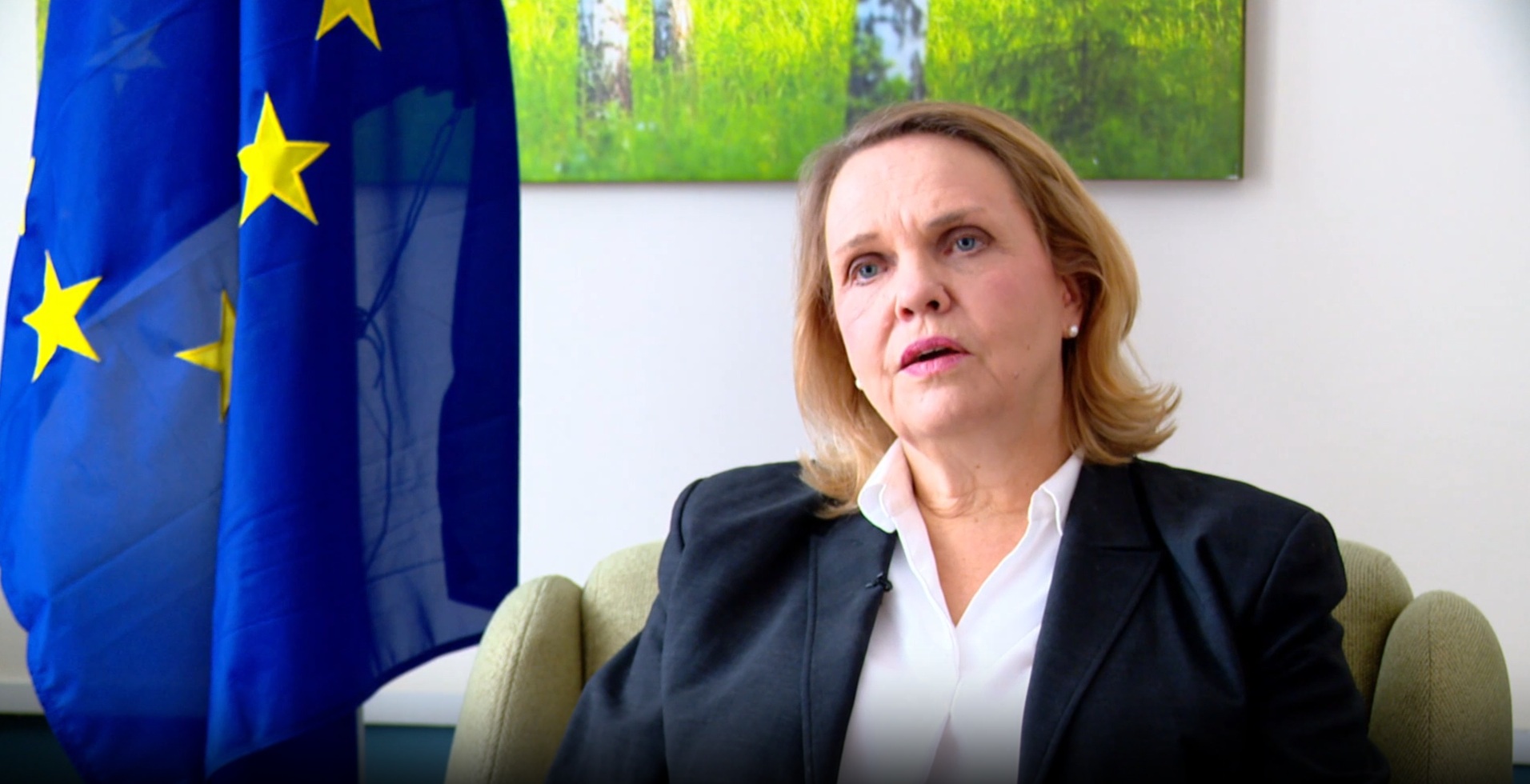
Addis Ababa, February 25, 2026 – Ethiopia’s ongoing National Dialogue, Transitional Justice and Disarmament, Demobilization and Reintegration (DDR) processes are critical to building a durable national consensus, European Union Ambassador to Ethiopia Sofie From-Emmesberger said.
In an exclusive interview with the ENA, EU Ambassador to Ethiopia Sofie From-Emmesberger described the three initiatives as mutually reinforcing pillars designed to address the root causes of conflict, promote accountability and rebuild trust across communities.
Ethiopia is advancing the National Dialogue to bring together diverse political and social actors in structured discussions aimed at resolving differences through peaceful engagement.
The dialogue seeks to confront historical grievances and political divisions, creating space for open debate and consensus building.
Ambassador From-Emmesberger said the process should be understood as more than a single event.
“This should not be seen as a one-off moment but as the beginning of a broader cultural shift toward mediation, compromise and peaceful management of disagreements,” she stated.
She emphasized that broad participation is essential to the credibility of the process.
“The fact that the Commission has been engaging actively throughout the country is absolutely central as a process,” she noted, expressing hope that remaining areas will soon be covered to allow the dialogue to move into a nationwide plenary phase.
According to the ambassador, inclusive engagement will help ensure that citizens feel genuine ownership of the country’s future, strengthening the foundation for long-term stability.
She further underscored that transitional justice and DDR are equally vital components of Ethiopia’s post-conflict recovery, particularly following the two-year conflict in the north that formally concluded with the signing of the Pretoria peace agreement.
The National Rehabilitation Commission was established to oversee the disarmament and reintegration of former combatants.
Since the peace accord, large numbers of ex-combatants have undergone disarmament and registration, with reintegration programs offering vocational training, educational opportunities, psychosocial support and livelihood assistance to facilitate their transition into civilian life.
“DDR is vital for restoring dignity to ex-combatants and rebuilding trust within communities,” the ambassador stated.
On transitional justice, she noted that the government has laid policy and institutional foundations for a comprehensive framework.
Nationwide consultations were conducted to gather public input on accountability, reconciliation and reparations, leading to the endorsement of a framework that combines criminal accountability, truth-seeking mechanisms, reparations and institutional reform.
By blending judicial proceedings with restorative approaches, the framework aims to advance national healing while reducing the risk of renewed violence.
“These processes are all connected,” Ambassador From-Emmesberger explained. “Dialogue, justice and reintegration together create the foundation for lasting reconciliation.”
While stressing that the initiatives are Ethiopian-led and Ethiopian-owned, she said the European Union contributes by sharing historical lessons and global expertise, particularly in DDR and transitional justice, and by supporting institutions implementing reforms.
“We don’t have a stake in it because this is your process and your ownership,” she said. “What we can do is share expertise and experience both from our own history and from working globally.”
The ambassador added that the EU will continue backing Ethiopia’s key reform agendas as the country advances toward durable peace and national consensus.