Mother Language Day Vital for Inclusive Multilingual Education - ENA English
Mother Language Day Vital for Inclusive Multilingual Education
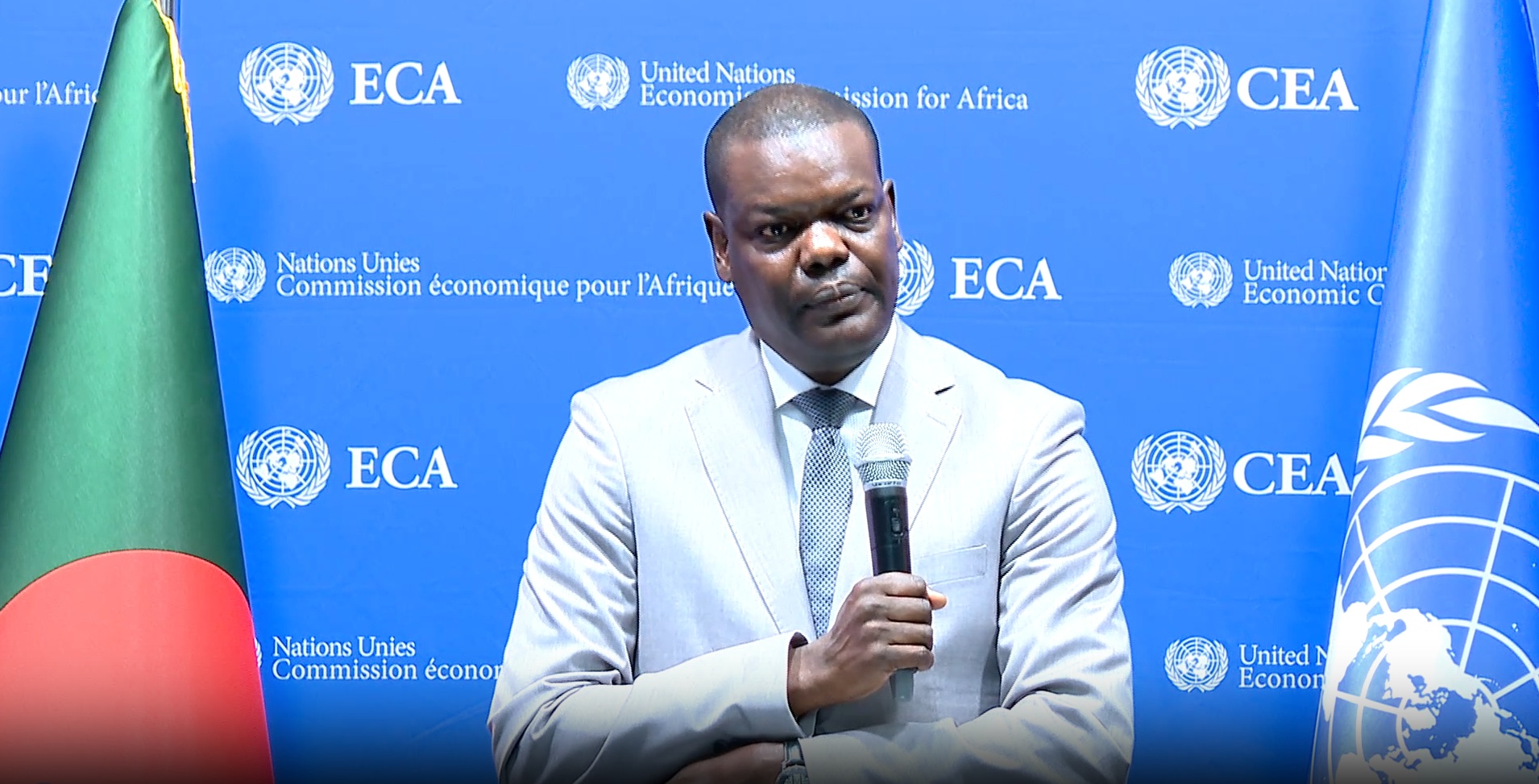
Addis Ababa, February 25, 2026 – Stakeholders commemorating International Mother Language Day highlighted its crucial role in advancing inclusive multilingual education.
The United Nations Economic Commission for Africa (UNECA), in partnership with the United Nations Educational, Scientific and Cultural Organization (UNESCO) and the Embassy of Bangladesh, marked the day today in Addis Ababa.
Officials emphasized that mother tongue education is central to promoting sustainable development, social inclusion, and equitable access to learning.
Representatives from UNECA, UNESCO, and the Bangladesh Embassy underscored that linguistic diversity is not only a cultural treasure but also a foundation for equitable education, digital inclusion, and long-term economic growth.
Opening the event, Aboubakir Diaw, Chief of Staff representing the Executive Secretary of UNECA, said languages carry far deeper significance than mere communication.
“Languages are not merely tools of communication. They shape cognition, structure belonging, and transmit collective memory across generations,” he stated.
Diaw described Africa’s more than 2,000 languages as strategic assets rather than sources of division. He stressed that multilingual education rooted in mother tongues strengthens human capital and social cohesion.
“Multilingual education, grounded in mother tongues, is therefore not a cultural luxury. It is a strategic investment in human capital,” he said.
He also cautioned that the rapid expansion of artificial intelligence and digital platforms poses risks for languages lacking digital representation.
“In the age of artificial intelligence, languages absent from digital representation risk economic and cultural obsolescence,” Diaw warned.
With nearly 60 percent of Africa’s population under the age of 25, he highlighted the importance of empowering youth through inclusive language policies, linking the issue to continental initiatives such as the African Continental Free Trade Area and the 2030 Agenda for Sustainable Development.
Rita Bissoomath, Liaison Director at UNESCO, echoed this view, describing languages as “the living guardians of our identity, the vessels of our culture.”
She noted global disparities in access to education in familiar languages, citing that 40 percent of the world’s population does not receive instruction in a language they fully understand—a gap that deepens inequality and marginalization.
“Promoting multilingualism is a key instrument for fostering peace, tolerance, and mutual respect,” Bissoomath said, calling languages irreplaceable human treasures.
She urged governments and institutions to take concrete action. “Let us commit to integrating mother tongues at every level of our educational systems. No child should feel alienated from their linguistic heritage,” she stressed.
Ambassador of Bangladesh Air Vice Marshal Sitwat Nayeem connected the commemoration to his country’s 1952 Language Movement, whose sacrifices inspired the international recognition of the day.
“Language shapes us from the moment we are born. It is our primary means of self-expression,” he said. Recalling the struggle against the imposition of Urdu that contributed to the birth of Bangladesh, he highlighted the movement’s enduring relevance.
“Preserving linguistic and cultural diversity is not just a cultural duty, it is essential for mutual understanding, dialogue, and cooperation toward a peaceful international order,” the ambassador emphasized.
Participants concluded that protecting and promoting mother tongues strengthens dignity, supports youth development, and lays the foundation for peace, equity, and innovation across societies.