People Centered Integrated Security Strategy Vital Across Africa: Nigerian Ex-Minister - ENA English
People Centered Integrated Security Strategy Vital Across Africa: Nigerian Ex-Minister
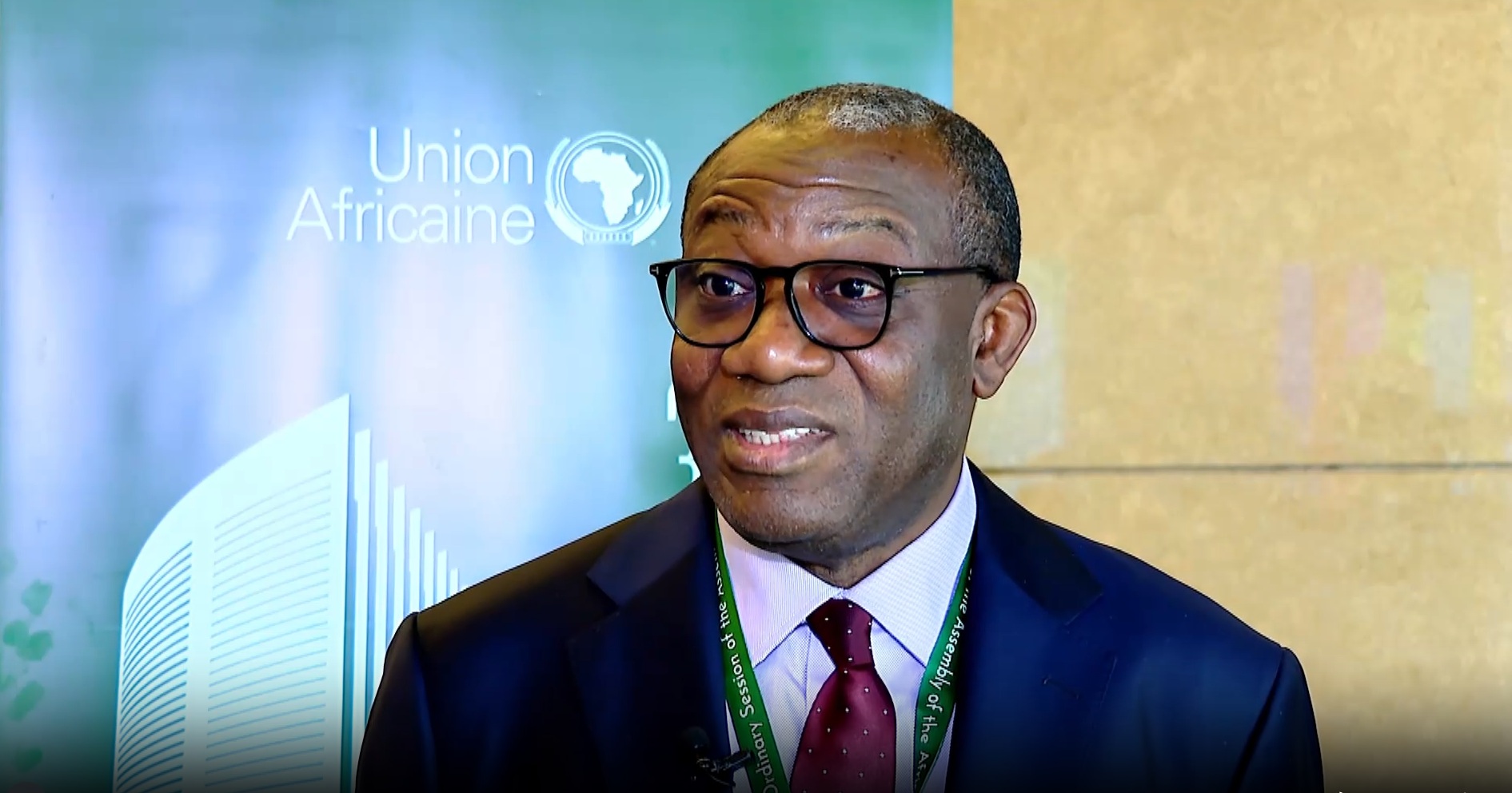
Addis Ababa, February 25, 2026 – Former Nigerian Minister of Mines and Steel Development, Kayode Fayemi, has urged African leaders to adopt a people centered and integrated strategy to confront the continent’s mounting security challenges, warning that fragmented responses will not deliver lasting peace.
In an exclusive interview with ENA, Fayemi said Africa is facing a “huge slew of security challenges,” pointing to conflicts and instability in the Horn of Africa, the Sahel, Democratic Republic of the Congo, and Central African Republic.
The renowned professor and security expert has also stressed military and political measures alone cannot resolve the crises.
“We cannot address insecurity if we do not confront its fundamental causes which is poverty, inequality, youth disenfranchisement, and women’s marginalization,” he said. “These issues are interconnected and must be treated as part of a comprehensive and integrated agenda.”
The expert underlined that deeper regional integration is essential for sustainable peace, arguing that unity among African states is a prerequisite for long term stability.
While acknowledging efforts by the African Union, he said the continental body must be strengthened to fully deliver on its mandate.
“It is our organization. It belongs to all Africans. Supporting it is not just the responsibility of technical staff or heads of state, but of all citizens of Africa,” he stated.
Reflecting on Africa’s founding vision, Fayemi said the continent has yet to fully realize the aspirations of pioneers such as Kwame Nkrumah, Haile Selassie, Julius Nyerere, and Nelson Mandela.
He recalled that the push for Pan African unity led to the creation of the Organization of African Unity in 1963, which later evolved into the African Union.
“This is still not the Africa they envisioned. It remains a work in progress. But we now need the urgency of now,” he stressed. “The world needs to have Africa at the table, no longer on the menu.”
Fayemi emphasized that political commitment must extend beyond summit declarations and translate into concrete action on the ground.
Turning to Ethiopia, he described the country as Africa’s diplomatic capital and said it carries a special responsibility in advancing continental unity.
The professor welcomed Ethiopia’s decision to grant visa on arrival access to all African nationals in November 2018 as a meaningful step toward deeper integration and mobility, aligned with the objectives of the African Continental Free Trade Area and Agenda 2063.
“If we can ensure freedom of movement among ourselves, that is a fundamental commitment to African unity,” he said.
However, he cautioned that such measures should not remain limited to one country, urging all African states to prioritize freedom of movement as a cornerstone of African citizenship.
“There is progress, but there is still a lot more to be done,” Fayemi concluded. “We must keep working toward a united, peaceful, and self-determined Africa.”