Newly Inaugurated Mandela Memorial Museum Tributes Ethiopia’s Meaningful Contribution to African Independence – Commissioner - ENA English


Newly Inaugurated Mandela Memorial Museum Tributes Ethiopia’s Meaningful Contribution to African Independence – Commissioner
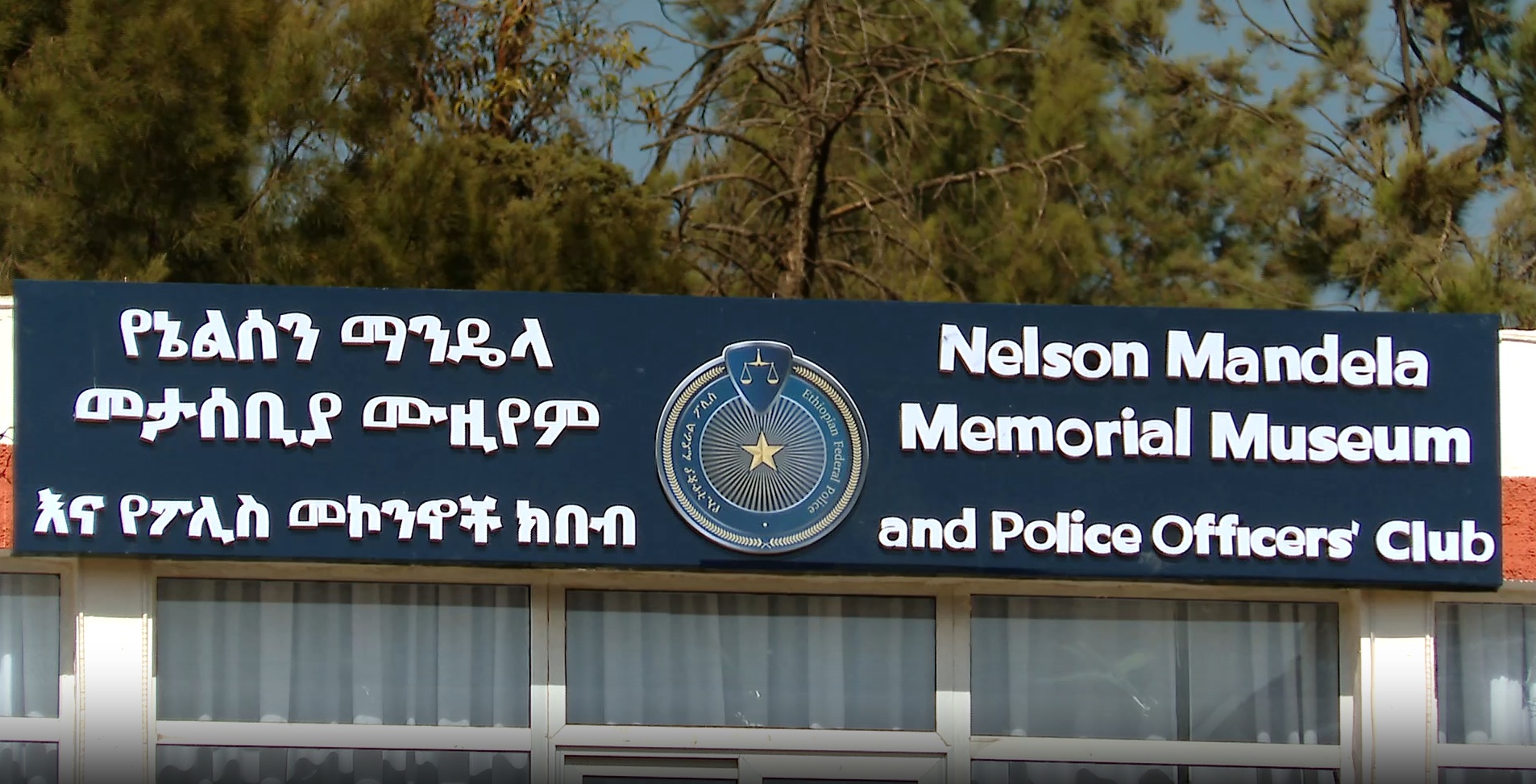
Addis Ababa, February 24, 2026 (ENA) –The Nelson Mandela Memorial Museum, which was inaugurated in Addis Ababa today, pays tribute to Ethiopia’s meaningful contribution to African liberty and independence, Federal Police Commissioner General Demelash Gebremichael said.
Speaking at the inauguration, the Commissioner General noted that the very site of the museum, where Mandela underwent military training, embodies his legacy for future generations and reinforces the bonds of friendship among African nations.
The memorial site holds special significance as the former training ground where Nelson Mandela received military guidance in 1962. Mandela's training in Ethiopia serves as a pivotal connection between the histories of both nations while paying tribute to Ethiopia’s immense contribution to African liberty and independence, the Commissioner General added.
The museum also symbolizes African unity, solidarity, and the collective quest for freedom, he stated, noting that the memorial museum honors Mandela and the countless freedom fighters who struggled against oppression worldwide.
According to the Commissioner General, the Ethiopian police institution ranks among the oldest in Africa and has played a vital role in the liberation movements on the continent.
Following the brutal suppression of peaceful protests in South Africa, Mandela transitioned from nonviolent resistance to armed struggle, leading to the formation of the African National Congress's armed wing. Ethiopia was chosen for training because of its longstanding status as Africa's oldest independent nation, representing a potent symbol of sovereignty and support for the anti-colonial movement.
During his time in Ethiopia, Mandela’s military training encompassed guerrilla warfare, weapons handling, and explosive techniques—all crucial for his role in the liberation of South Africa, the Commissioner General noted.
He further noted that the Ethiopian Federal Police has been playing an ongoing role in upholding peace and security within Africa, participating in international peacekeeping missions, and collaborating with various African police institutions to enhance collective security. The nation has supported law enforcement and civilian protection in countries such as Sudan, South Sudan, and Somalia.
For her part, South Africa's Ambassador to Ethiopia, Nonceba Losi, said that the memorial museum is a tribute not just to Mandela, but to the enduring friendship and shared struggles of both nations.
"History does not whisper; it wins," the Ambassador said, highlighting the courage and solidarity forged in the face of adversity. She noted that the cooperation between Ethiopia and South Africa is rooted in a commitment to Pan-African ideals.
Recalling Mandela's secret journey to Ethiopia in 1962, she described his transformative experiences, including the military training under Emperor Haile Selassie. The pivotal encounter shaped Mandela's vision of African unity and dignity and prepared him for the challenges ahead, the Ambassador added, stressing that “Ethiopia was not merely a stop in his journey; it was a turning point.”
Stating that the memorial represents a shared history and collective aspiration for freedom, Nonceba Losi said the ongoing cooperation between the two countries serves as a reminder of their mutual commitment to peace, security, and development across Africa.
"This museum stands as a beacon of what African unity can achieve,” she underlined, expressing gratitude to Ethiopia for its unwavering support during South Africa's struggle against apartheid.
The Ambassador finally affirmed that her country is committed to continuing collaboration with Ethiopia, emphasizing the museum's role in inspiring future generations.


