Experts Say Ethiopia’s Diplomacy Anchored in National Interest, Regional Cooperation - ENA English
Experts Say Ethiopia’s Diplomacy Anchored in National Interest, Regional Cooperation
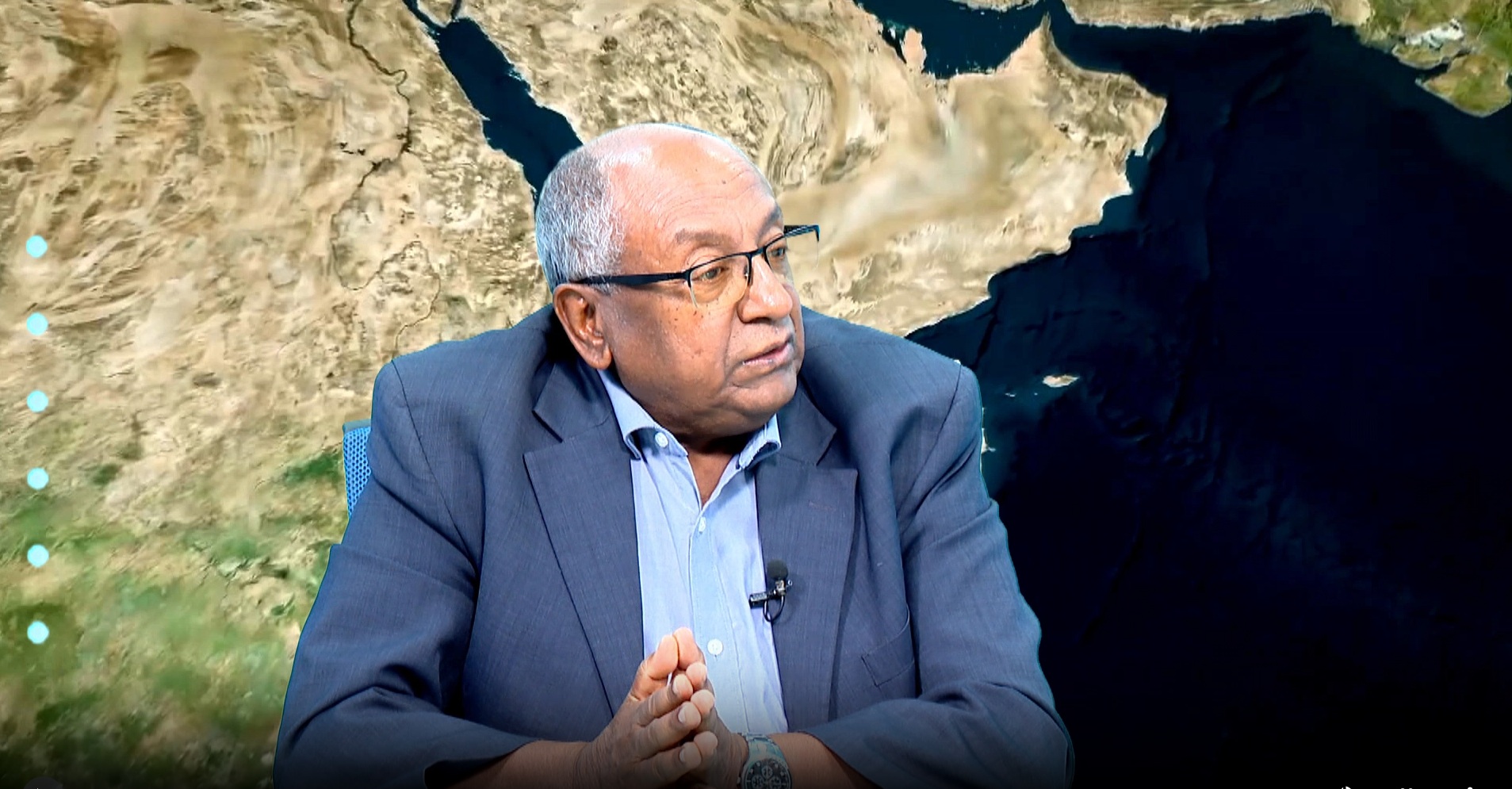
Addis Ababa, 20 February 2026 —Political analysts say Ethiopia’s recent diplomatic engagements reflect a clear and consistent policy direction centered on safeguarding national interests while advancing cooperation across the Horn of Africa and the wider continent.
They note that Ethiopia’s outreach has evolved beyond traditional bilateral exchanges, positioning the country as a prominent African voice advocating sovereignty, dignity, and collective progress for Africa and people of African descent.
According to the experts, this renewed engagement has reinforced Pan-African solidarity and strengthened calls for continental unity at a critical juncture.
Speaking to ENA, Professor Brook Hailu, a scholar of political science and international relations, said Ethiopia has cultivated a resilient diplomatic tradition over decades.
“Ethiopia has a longstanding diplomatic culture that continues to guide its engagement at continental and global levels through dialogue and institutional mechanisms,” he said.
He explained that the country’s current initiatives are grounded in cooperation and mutual benefit, designed to safeguard national interests while delivering sustainable economic, political, and social gains.
Professor Brook cited the recent open letter issued by Ethiopia’s Ministry of Foreign Affairs to the Eritrean government as a clear indication of the country’s preference for peaceful engagement.
“The letter demonstrates Ethiopia’s firm commitment to peace and cooperation,” he said. “It reflects sincerity and readiness to address differences through dialogue.”
He added that the communication outlines prevailing regional realities and proposes negotiated solutions. “Its purpose is to create space for talks and facilitate the peaceful settlement of concerns,” he noted.
According to the professor, dialogue remains the government’s principal option. “Negotiation and constructive engagement continue to be the preferred path,” he said.
He further emphasized that Ethiopia’s pursuit of stability and development carries broader regional benefits. “Efforts to ensure peace are not confined to Ethiopia. They also serve the interests of the Eritrean people and government,” he stated.
On access to the Red Sea, which he described as a central national priority, Professor Brook said Ethiopia is pursuing the matter through political and peaceful channels.
“The issue of Red Sea access is being advanced through diplomatic and negotiated means, consistent with Ethiopia’s commitment to peaceful engagement,” he explained.
He added that progress achieved through cooperation enhances Ethiopia’s global standing.
“When gains are secured through peace and collaboration, the country strengthens its competitiveness and sets a positive example for others,” he said.
Hydropolitics scholar Professor Yacob Arsano also underscored Ethiopia’s position on access to the Red Sea.
“Ethiopia maintains that access to the Red Sea is justified and vital, as it represents a lifeline for the nation and its people,” he said.
Professor Yacob argued that the circumstances surrounding Ethiopia’s loss of direct sea access lack strong legal grounding and should be addressed through lawful and transparent means.
“Ethiopia seeks to resolve this matter clearly, peacefully, and in cooperation with the concerned parties,” he stated.
He stressed that the issue carries significance for both present and future generations. “Recognizing its long-term national value requires a constructive and forward-looking approach,” he said.
The scholar added that diplomatic efforts must be reinforced to achieve tangible outcomes. “Strengthening ongoing diplomatic tracks and aligning national aspirations with effective strategies is essential for meaningful success,” he noted.
The experts conclude that Ethiopia’s diplomatic posture reflects a broader strategy that combines firmness on national priorities with openness to dialogue and partnership, aiming to secure sustainable progress at home while contributing to regional stability.