Ethiopia’s Successful Wheat Irrigation Scheme Model for Other African Nations: Nambian Expert - ENA English


Ethiopia’s Successful Wheat Irrigation Scheme Model for Other African Nations: Nambian Expert
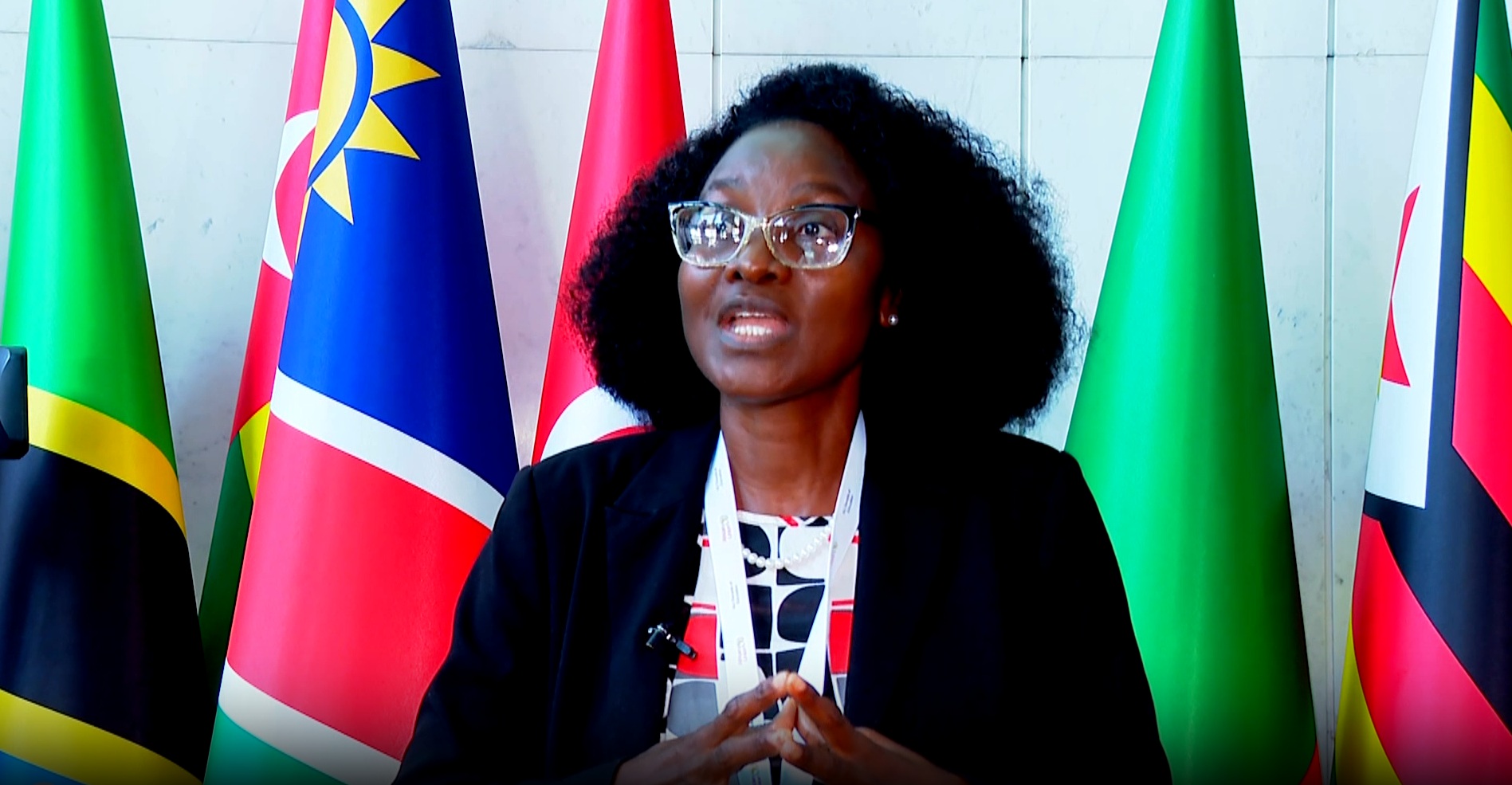
Addis Ababa, February 18, 2026 (ENA)—Ethiopia’s successful experience in building a climate-resilient agricultural system, particularly irrigated wheat development scheme, is a model for other African nations, Nambian rural transformation expert Saima Shaanika told ENA.
Shaanika who has also worked with international organizations noted that Ethiopia's wheat development irrigation scheme has been achieving a remarkable progress in establishing a climate-resilient agricultural system, particularly through the development of irrigated wheat cultivation.
For Shaanika, Ethiopia's self-reliance in wheat production has a broader significance for Africa where many countries have long depended on imported wheat.
Moreover, Ethiopia has not only met its domestic wheat demands but has also started exporting its surplus products, she said.
"Wheat is a stable crop that sustains a significant portion of Africa's population," the expert stated, emphasizing that Ethiopia's strides in agricultural development demonstrate Africa's potential to reduce reliance on imports.
Discussing the challenges African agriculture faces, particularly climate change and water scarcity, Shaanika said irrigation development is a sustainable solution and investment that could mitigate drought effects.
Investing in irrigation helps to make drought a relic of the past by producing food year-round, alleviating food shortages even in dry conditions.
She called for increased investment in irrigation of Africa, emphasizing the need for collaboration among African countries to share best experiences to transform agriculture sector of the continent.
"Collaboration is essential. If countries cooperate, they can share their best agricultural experiences that would ensure food security in the continent."
Shaanika further stressed the importance of technology in transforming the agriculture sector of the continent, advocating for widespread adoption of digital tools, especially for small farmers and young people.
Empowering farmers with mobile technology to assess soil and access agricultural information is vital for modernization of the sector.


