Ethiopia Acts on Water Sustainability Commitments: Minister Habtamu Itefa - ENA English
Ethiopia Acts on Water Sustainability Commitments: Minister Habtamu Itefa
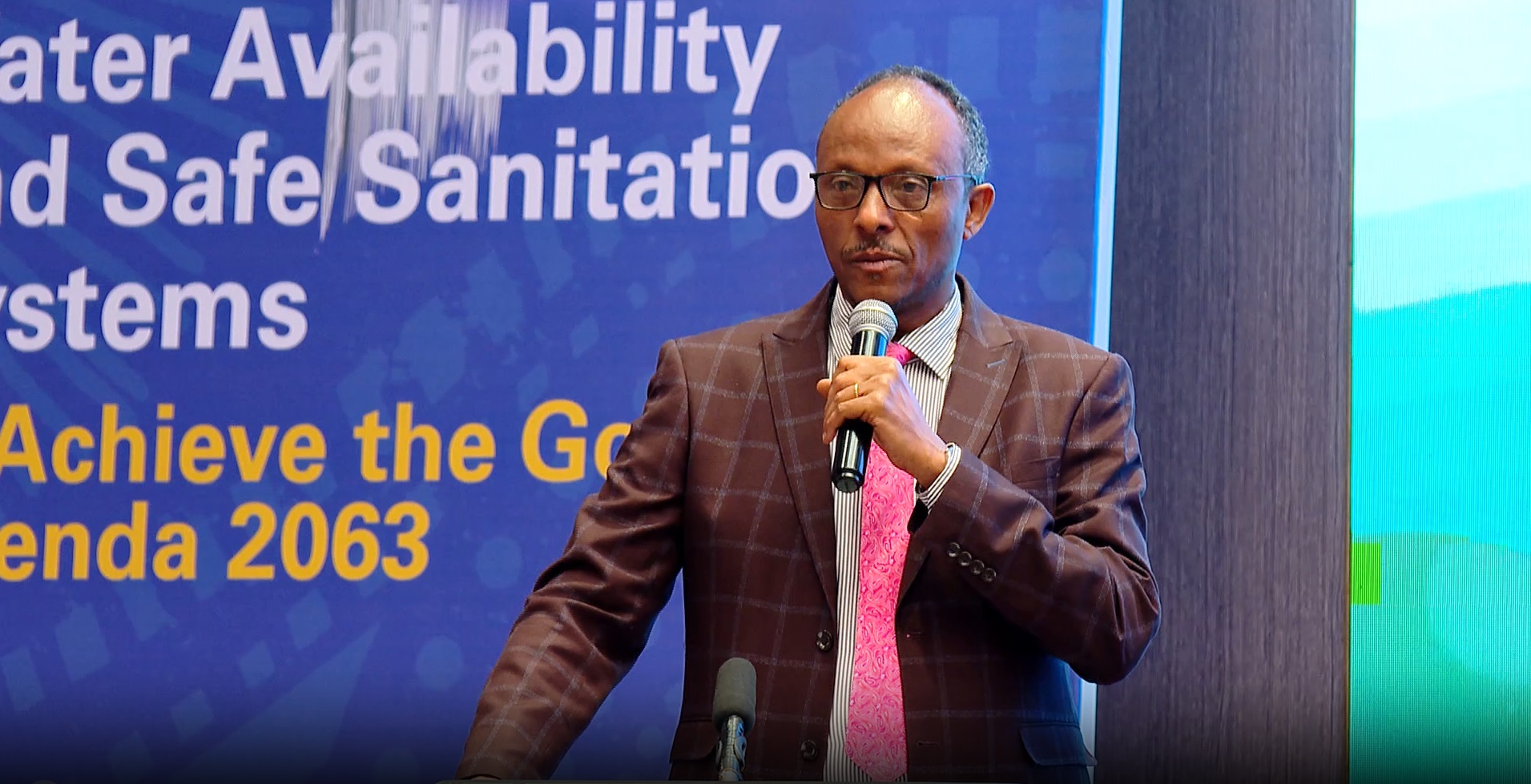
Addis Ababa, February 9, 2026 (ENA)—Ethiopia is backing continental water sustainability efforts with concrete action rather than rhetoric in line with Africa’s long term development goals, Minister of Water and Energy Habtamu Itefa said.
The African Union Economic, Social and Cultural Council Civil Society Pre Summit on the 2026 African Union Theme of the Year, “Assuring Sustainable Water Availability and Safe Sanitation Systems to Achieve the Goals of Agenda 2063,” held today in Addis Ababa.
Opening the pre-summit, the minister said Ethiopia is honored to host the gathering, describing it as a reflection of the country’s sustained engagement in continental initiatives.
“Ethiopia is walking the talk in supporting water sustainability across Africa,” the minister said, adding that the country’s actions demonstrate its responsibility to shared regional priorities.
He noted that hosting the pre-summit aligns with Ethiopia’s continued commitment to advancing African Union agendas, particularly those focused on water security and safe sanitation.
“As the host of the African Union headquarters, we understand our responsibility to support continental initiatives with action not just with words,” he added.
Stating major commitments and notable achievements of the country so far, he said “we have been walking the talk in terms of sustaining our water resources.”
During the last seven years, Ethiopia has initiated the green legacy program and planted more than 48 billion tree seedlings across the nation, which is crucial for water management and protecting soil erosion, among others.
The minister also stated the significant role of the country’s policy to protect water from pollution and the riverside program especially being carried out in Addis Ababa.
“If we join hands especially as Africans, for sure the rivers we have are blessings for everyone.”
Stating the significant role of civil societies in which they can support all essential initiatives, he said “AU 2026 theme is our collective promise to African children.”
The minister also emphasized that it is time for everyone to build the future, to build for the next generation, affirming that Ethiopia remains committed to join its hand with all partners who really wish to achieve the continent’s goal.
African Union Commissioner for Agriculture, Rural Development, Blue Economy, and Sustainable Environment (ARBE), Moses Vilakati said water and sanitation are central to Africa’s transformation.
According to the commissioner, without water security and safe sanitation, there can be no food security, no rural transformation, no sustainable cities, no viable economy and no climate resilience.
The commissioner further elaborated that 400 million people still do not have access to clean drinking water, and over 700 million people still do not have good sanitation facilities in Africa.
Today, Africa stands at a critical crossroads, he said adding climate change, environmental degradation, rapid urbanization and competing demands on shared water resources are intensifying pressures across the continent.
Addressing water and sanitation is a matter of equity, a matter of justice, a matter of human dignity and basic needs, he underscored.
The African Union Commission is fully committed to providing political leadership and strategic coordination for the implementation of the 2026 AU theme of the year, working with member states, regional economic communities, among others.
The pre-summit must send a clear message that Africa will take ownership of its water and sanitation agenda, he asserted.
“We must strengthen transboundary water cooperation, prioritize climate resilient infrastructure, promote inclusive sanitation systems and allow partnerships that deliver impact where it matters the most, particularly at community level.”
Addressing Africa's water and sanitation challenges demands the comprehensive, integrated, and people-centered approach that defines Agenda 2063's philosophy of African ownership and African solutions, it was learned.