IGAD Climate Prediction and Applications Center Pledges Strong Coordination to Deliver Regional Climate Services Framework - ENA English
IGAD Climate Prediction and Applications Center Pledges Strong Coordination to Deliver Regional Climate Services Framework
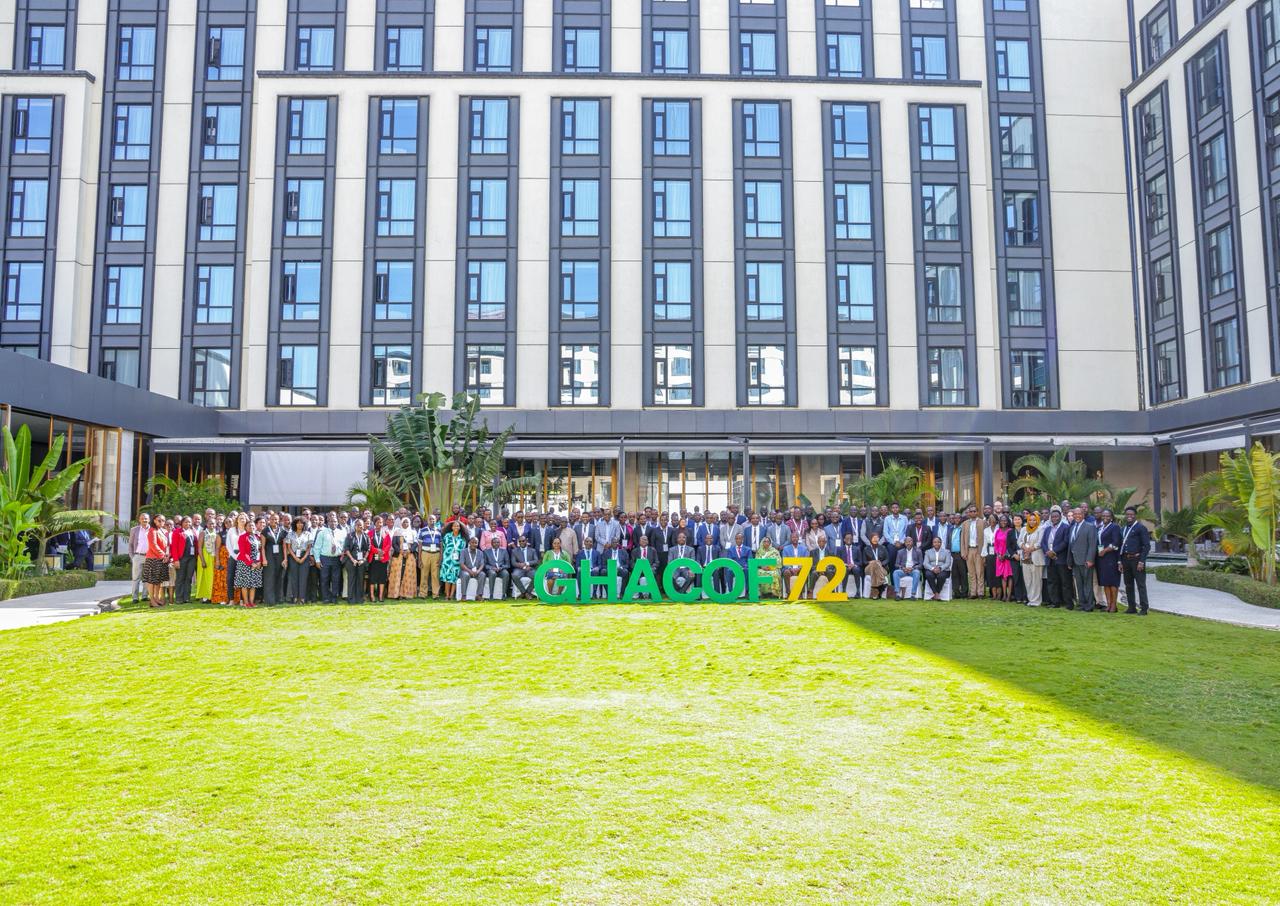
Addis Ababa, January 26, 2026 (ENA) -The IGAD Climate Prediction and Applications Centre (ICPAC) has reaffirmed its commitment to developing a joint action plan to ensure the successful implementation of the IGAD Regional Framework for Climate Services (RFCS).
The pledge was made during the 72nd Greater Horn of Africa Climate Outlook Forum (GHACOF72), currently underway in Nairobi under the theme “Advancing Climate Services for Resilient Communities and Sustainable Development in the Greater Horn of Africa.”
The hybrid forum has brought together climate scientists, government institutions, development partners, media, and civil society representatives from across the region.
Addressing the two-day forum, ICPAC Director Abdi Fidar highlighted the Horn of Africa’s high vulnerability to climate variability and extreme weather events, including recurrent droughts, floods, and increasing land degradation.
“These realities reinforce the critical importance of GHACOF as a regional platform for consensus building, shared understanding of climate risks, and coordinated early action,” he said.
Fidar emphasized ICPAC’s close collaboration with national meteorological and hydrological services, sector ministries, the World Meteorological Organization (WMO), and development partners.
He noted that the center has made significant progress in strengthening regional climate prediction, monitoring, and the delivery of user-oriented climate services.
“GHACOF remains central as a mechanism for producing seasonal climate outlooks and translating climate information into actionable steps,” he added.
The IGAD Regional Framework for Climate Services was launched and endorsed in September 2025 during the Second Africa Climate Summit in Addis Ababa.
The framework provides a coordinated, user-centered approach to improving the generation, dissemination, and application of climate services across the IGAD region.
However, Fidar stressed that the framework’s impact will depend on effective implementation, strong coordination, and sustained partnerships.
He confirmed ICPAC’s readiness to work closely with national meteorological and hydrological services, government institutions, development partners, research and academic institutions, the private sector, and civil society organizations to jointly develop and implement an action plan.
Such collaboration, he noted, is essential to ensuring climate information supports early action, disaster risk reduction, climate-resilient development, and long-term planning throughout the Greater Horn of Africa.
Organized by ICPAC, GHACOF remains one of the region’s key climate forums, providing a critical platform for cross-sectoral dialogue on seasonal climate outlooks and emerging climate challenges.