ECA Sees Stronger Growth in East Africa Fueled by Integration, Clean Energy - ENA English


ECA Sees Stronger Growth in East Africa Fueled by Integration, Clean Energy
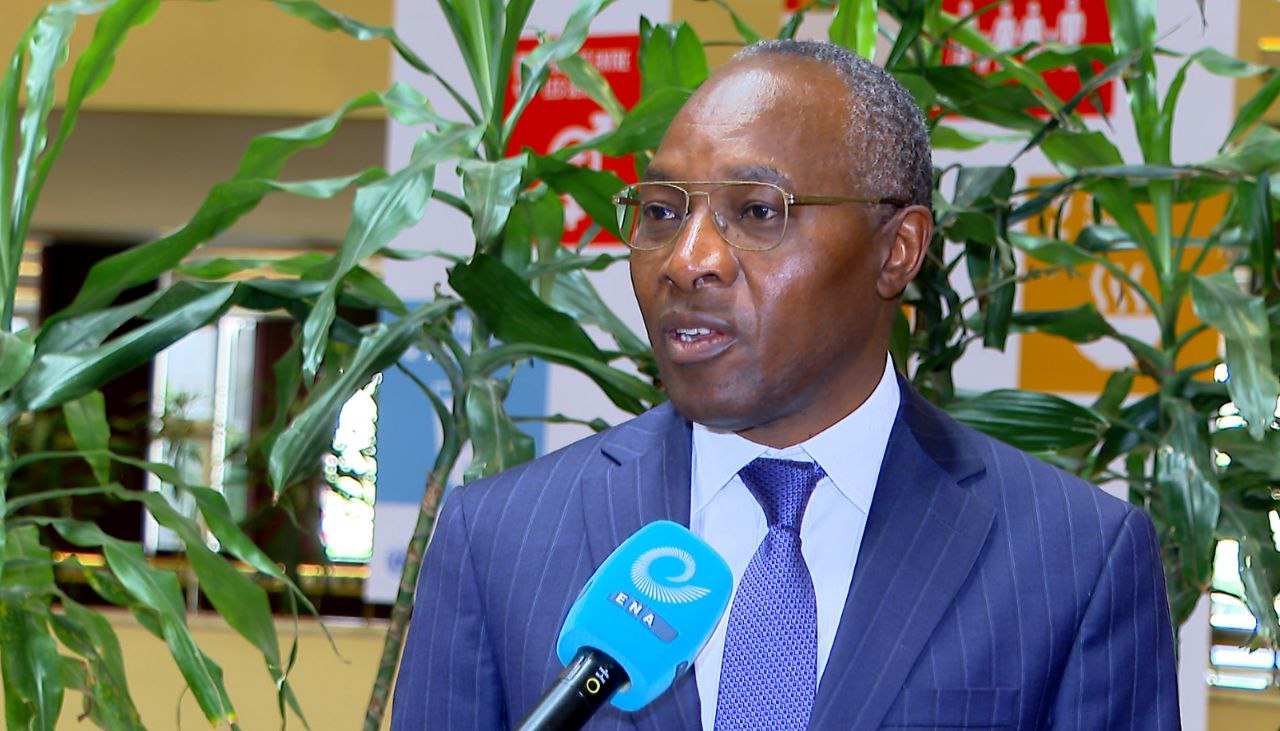
Addis Ababa, January 25, 2026 (ENA) -East Africa’s economic growth is gaining momentum, driven by deeper regional integration, improving macroeconomic stability, and expanding investment in renewable energy, according to the United Nations Economic Commission for Africa (ECA).
The sub-region is projected to grow by 5.8 percent in 2026, up from 5.4 percent in 2025, maintaining its position as Africa’s fastest-growing sub-region.
By comparison, Africa’s overall economic growth is expected to rise modestly to 4.0 percent in 2026, from 3.9 percent in 2025.
Most importantly, East Africa’s accelerating growth primarily to enhanced macroeconomic stability in several large economies, alongside strong performances in Ethiopia and Kenya.
In an exclusive interview with ENA, Stephen Karingi, Director of the ECA’s Macroeconomics, Finance and Governance Division, noted that these gains are being reinforced by regional integration initiatives and increased investment in renewable energy.
“The East African region has actually been doing very well in terms of leading African growth,” Karingi said, emphasizing that deeper regional integration lies at the core of the region’s success.
“The secret of this growth for the East African region has been deeper integration, as transboundary investments and connectivity are growing across the region,” he added.
Energy cooperation has also played a crucial role, with cross-border power trading helping to sustain industrial activity.
Improved air connectivity, he said, is further supporting regional trade, tourism, and labor mobility.
Tourism has recorded a strong recovery over the past year and is expected to continue expanding, contributing positively to economic performance.
“With improved macroeconomic stabilization, prices are more stable and currencies are strengthening. All these factors combined are driving the growth we are witnessing,” Karingi explained.
He stressed the importance of sound and well-targeted policy choices, highlighting Ethiopia’s market-oriented reforms as a positive signal for investors.
“The market reforms we are seeing in Ethiopia are sending exactly the kind of signals investors want to see,” he said.
According to Karingi, exchange rate reforms and prudent monetary policy measures have also been instrumental in strengthening macroeconomic stability, boosting confidence among the private sector and consumers.
He added that similar policy-driven growth stories are emerging across the continent, underscoring the growing importance of targeted macroeconomic and structural reforms in sustaining Africa’s economic momentum.


