Dialogue Commission Serves as Continental Model in Conflict Resolution - ENA English
Dialogue Commission Serves as Continental Model in Conflict Resolution
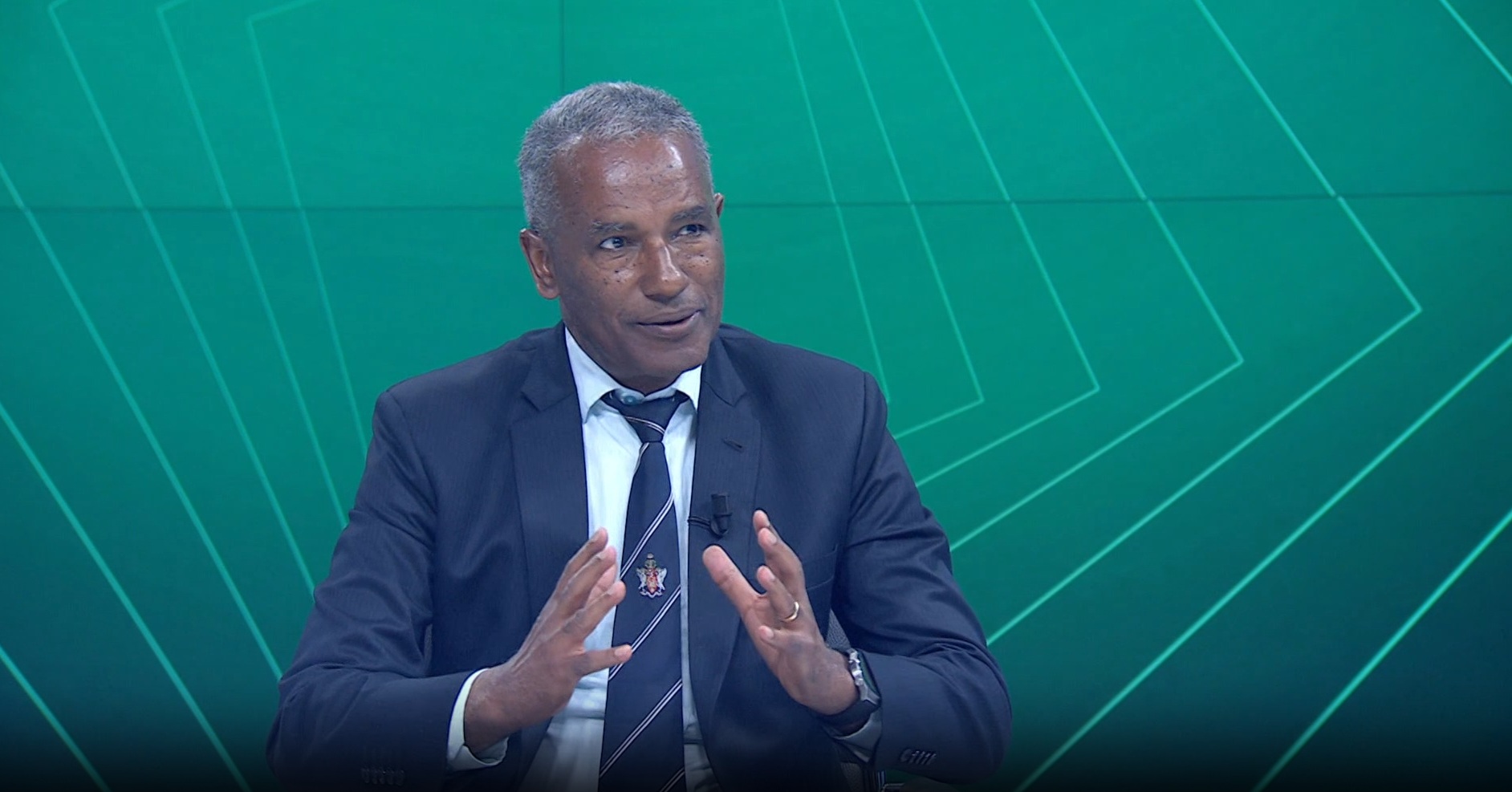
Addis Ababa, January 23, 2026 (ENA): - Ethiopia’s National Dialogue Commission (ENDC) is increasingly recognized across the continent as a premier locally driven framework serving as continental model in resolving deep-seated political and identity-based conflicts.
Having Prioritized internal solutions over external mediation, the process has positioned Ethiopia as a potential continental benchmark for sustainable peacebuilding and national stability.
In an exclusive interview with Pulse of Africa, Yonas Adaye, Commissioner of the Ethiopian National Dialogue, emphasized that the initiative is specifically structured to confront the systemic root causes of the country’s recurring conflicts.
He identified constitutional disagreements, governance failures, marginalization, corruption, and the politicization of ethnic identity as core challenges that the process seeks to resolve.
“The national dialogue is not about managing crises,” the commissioner said, adding, “It is about addressing the structural problems that have continued to reproduce conflict for decades.”
He further explained that the process is nationwide and citizen centered, designed to rebuild social cohesion through open discussion, mutual respect, and collective truth seeking.
Unlike elections or short-term peace deals, the dialogue focuses on long standing issues that undermine coexistence and stability, he added.
Yonas also stressed that national ownership is the defining strength of Ethiopia’s approach, noting that many past dialogue initiatives in Africa and the Middle East failed because they were shaped by foreign interests or dominated by political elites.
However, this national dialogue belongs to Ethiopians and anchored in local realities and drove by the voices of citizens, he underscored.
While supported by state institutions, the ENDC conducts broad consultations with communities, political parties, civil society organizations, religious institutions, media outlets, and the Ethiopian diaspora.
According to the commissioner, consultations with Ethiopians living abroad revealed strong convergence around the need for constitutional reform.
Many participants raised concerns that ethnic based federalism has deepened divisions and weakened national cohesion.
Governance gaps, corruption, identity politics, and questions surrounding dual citizenship were also repeatedly highlighted during diaspora engagements.
According to Yonas, the dialogue is expected to deliver major outcomes. Including national consensus on key issues, renewed trust between the state and society as well as the establishment of dialogue as a permanent political culture to replace zero sum politics and armed confrontation.
He further linked Ethiopia’s internal dialogue to regional stability, arguing that domestic unity strengthens foreign policy credibility and supports peaceful cooperation on shared resources, trade corridors, and regional integration.
“Africa’s problems should be solved through African led mechanisms,” the commissioner said, adding that cooperation and solidarity values must guide conflict resolution efforts on the continent.
Responding to concerns that dialogue recommendations might not be implemented, he said, adding political legitimacy in Ethiopia is increasingly tied to performance and responsiveness to public demands.
“When people speak and are heard, implementation becomes a matter of state credibility,” he said.
As Ethiopia moves forward with its national dialogue, observers across Africa and beyond continue to closely follow the process as a possible model for conflict prevention, reconciliation, and state renewal on the continent.